Why Home Insurance Rates Vary in Woodstock
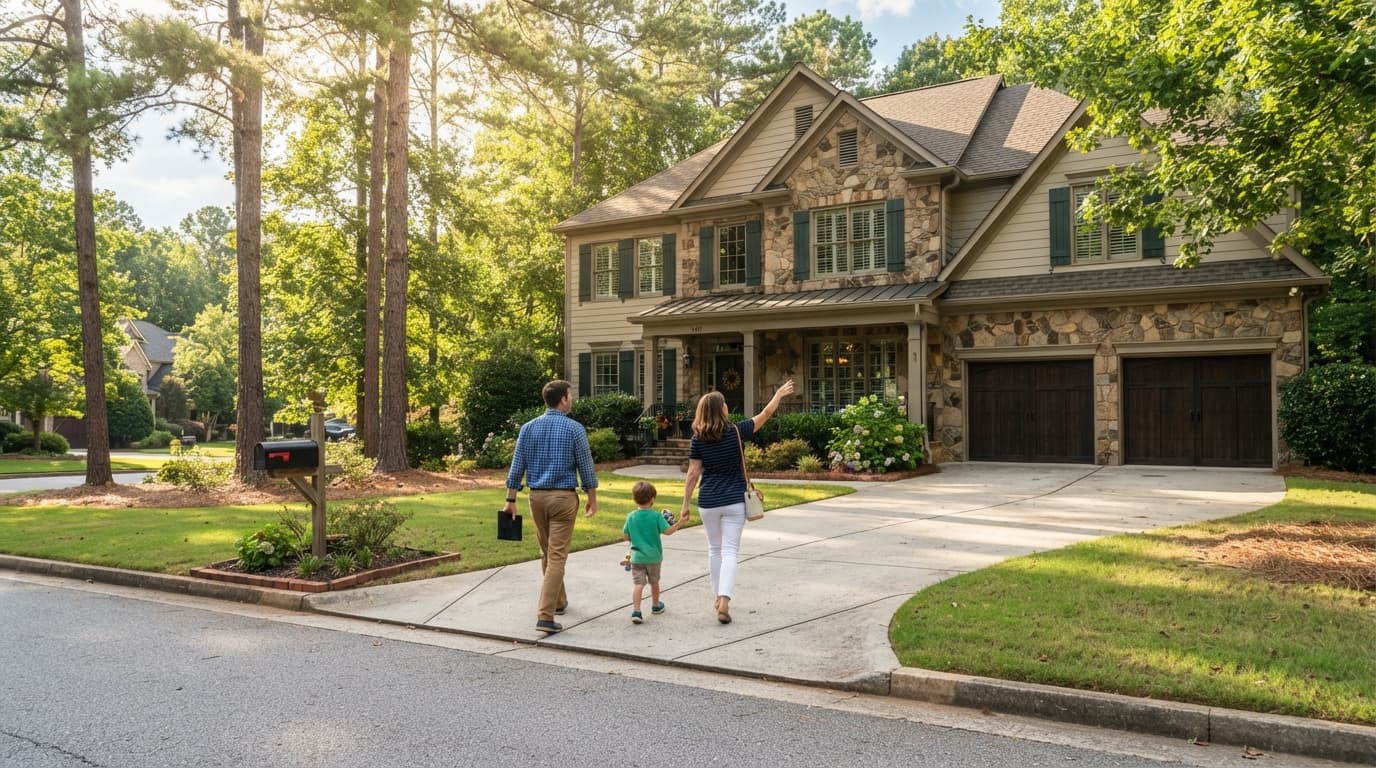
Many homeowners in Woodstock are surprised to learn that two similar houses on opposite sides of town can carry very different insurance premiums. Home insurance rates are built from a mix of property details, claims data, weather risk, and coverage decisions. In a growing community like Woodstock, where neighborhoods range from newer developments to older established homes, those differences can add up quickly. This guide breaks down five of the biggest factors that affect home insurance rates in Woodstock, GA, so readers can better understand quotes, ask smarter questions, and spot opportunities to save without stripping away important protection.
Why This Topic Matters Right Now
Homeowners across North Georgia have felt pressure from rising repair costs, storm losses, and higher replacement values over the last few years. In Woodstock, that matters because homes may face wind, hail, heavy rain, falling trees, and occasional water damage events that are expensive to fix. Labor and building materials have also become more costly, which means insurers often need to charge enough premium to keep pace with what it would actually cost to rebuild a home after a covered loss. Whether a property sits closer to busy corridors toward Kennesaw and Marietta or in quieter residential areas near Holly Springs and Canton, local conditions can influence how an insurer prices risk.
1. Your Home's Location and Nearby Risk
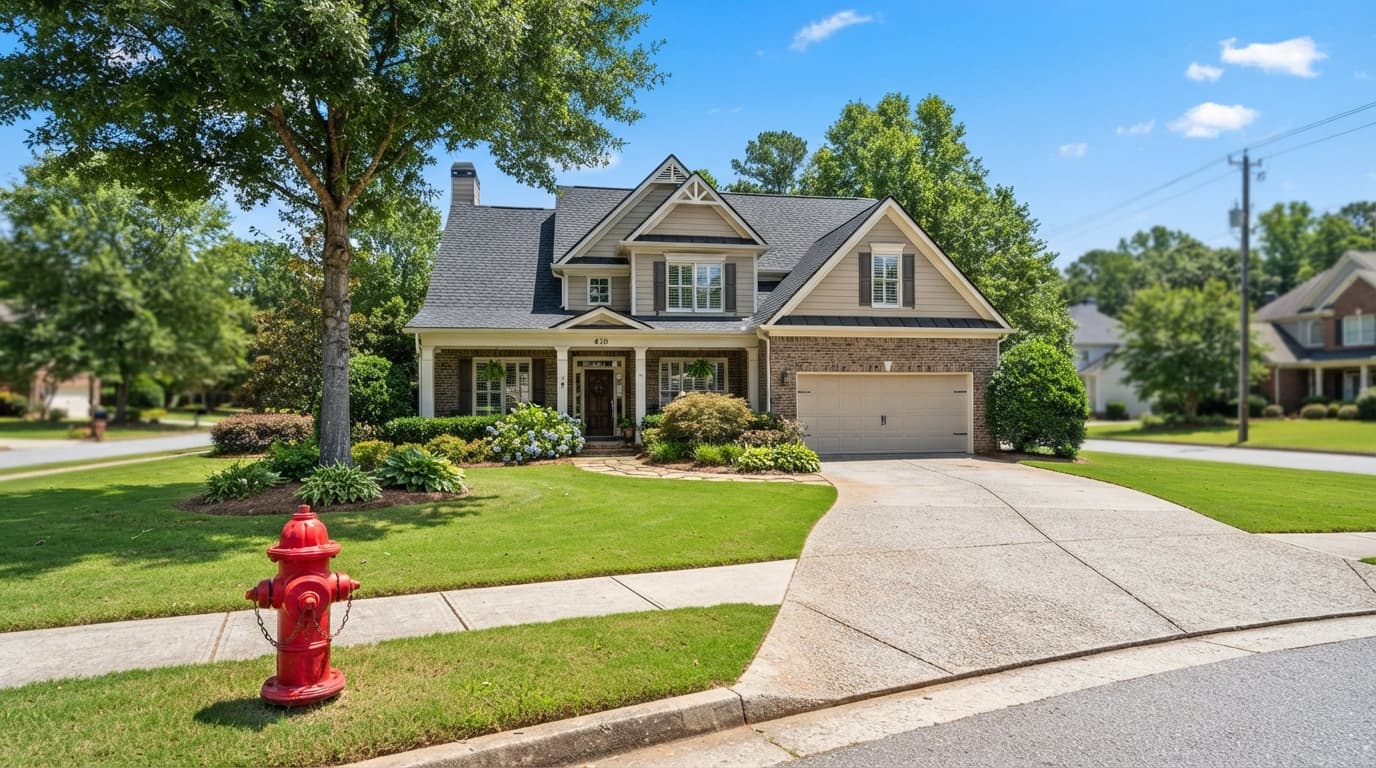
Location is one of the first things an insurer reviews because it affects both the chance of a claim and the potential size of that claim. In Woodstock, rate differences may reflect fire protection access, neighborhood claims trends, storm exposure, and distance to emergency services. A home with strong access to hydrants and a nearby fire station may look better on paper than a similar home in a less accessible area. Insurers also consider localized hazards such as tree density, drainage patterns, and whether an area has seen repeated wind or hail claims. Even nearby cities like Acworth, Roswell, and Alpharetta can show different pricing patterns because each market has its own mix of home values, lot sizes, and historical losses.
2. The Age and Condition of the Roof and Home Systems
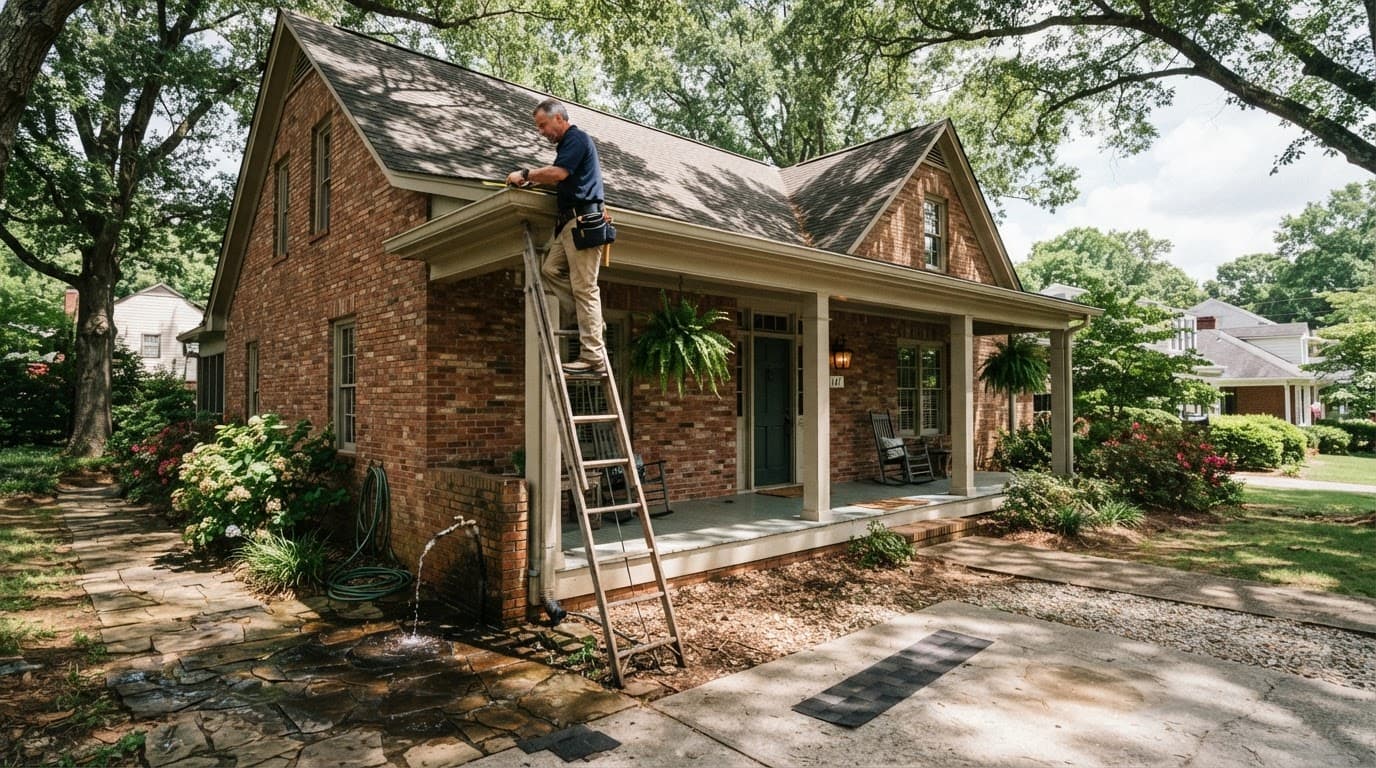
Roof age is a major rating factor because the roof is the first line of defense against wind and rain. In Woodstock, where thunderstorms and hail can damage shingles, an older roof may lead to higher premiums or fewer coverage options. Insurers also pay close attention to electrical, plumbing, and HVAC systems because outdated wiring or aging pipes can increase the chance of fire or water claims. A home with a newer roof, updated breaker panel, and modern plumbing usually looks less risky than one with original materials from decades ago. If a homeowner has recently replaced the roof or upgraded systems, that information should be included when comparing quotes because it can materially affect the price.
3. Rebuilding Cost Is Not the Same as Market Value
A common mistake is assuming insurance rates are based only on what a home could sell for. In reality, homeowners insurance is heavily tied to reconstruction cost, meaning what it would take to rebuild the structure with labor and materials after a covered loss. In Woodstock, that number can be influenced by square footage, custom finishes, roofing materials, detached structures, and local contractor costs. A modest-looking home may still cost a lot to rebuild if lumber, roofing, cabinetry, or skilled labor are expensive. This is why two homes with similar sale prices may receive different insurance quotes. The key is making sure the dwelling coverage amount reflects a realistic rebuild figure rather than guessing based on the purchase price alone.
4. Claims History and Insurance Score
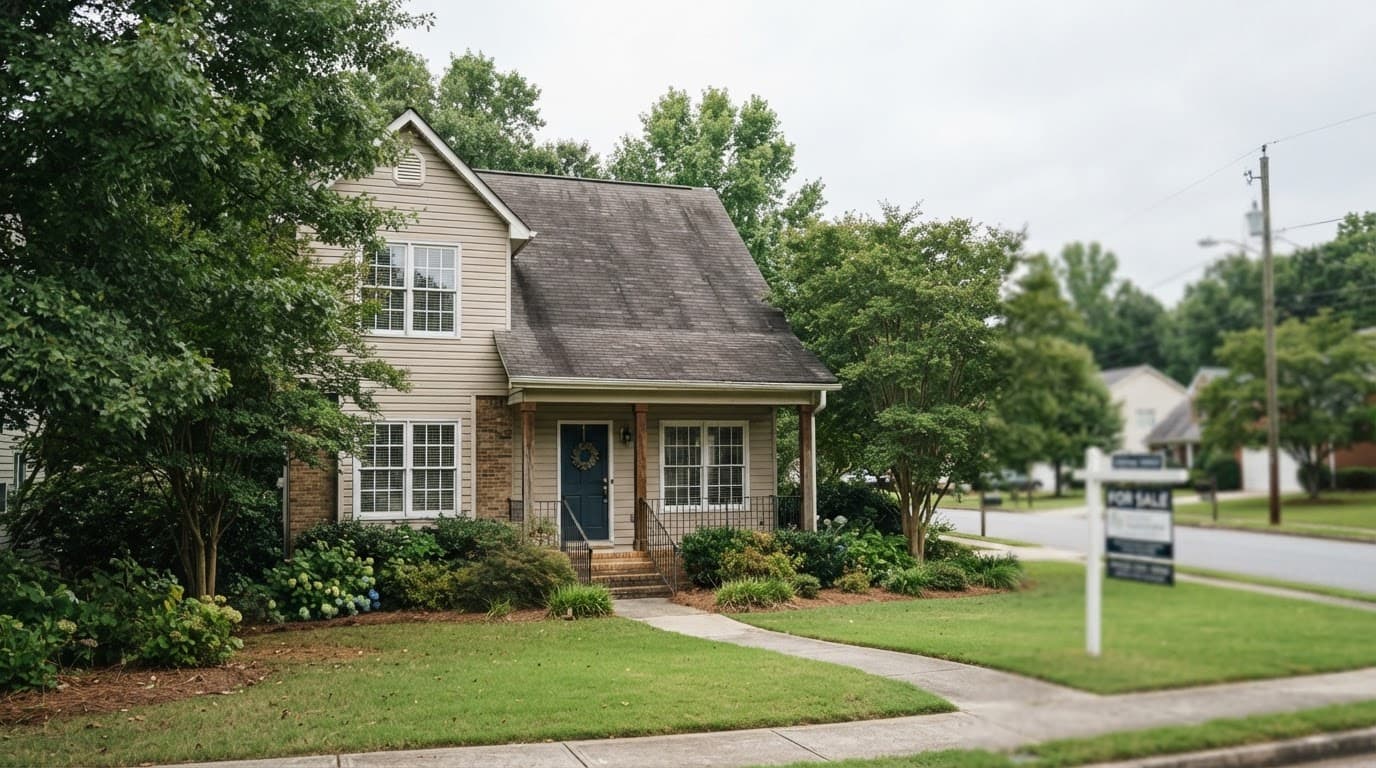
Insurers usually review both the property's prior claims and the applicant's broader insurance history. If a house in Woodstock has had repeated water damage, theft, or weather-related losses, an insurer may view it as more likely to produce future claims. Separate from that, many carriers also use an insurance-based score that can reflect patterns tied to risk. While the exact formula varies, payment behavior and claim frequency can influence pricing. This does not mean a homeowner is stuck with one high quote forever, but it does mean shopping around matters. Someone moving from Smyrna, Cumming, or Marietta into Woodstock may find that the same personal profile prices differently depending on the home's loss history and condition.
5. Coverage Limits, Deductibles, and Extra Protection
The final premium is shaped by the policy choices the homeowner makes. Higher dwelling limits, more personal property protection, lower deductibles, and endorsements for items like water backup or extended replacement cost can all increase the price, but they may also close important coverage gaps. In Woodstock, where summer storms and fallen limbs are realistic concerns, choosing a deductible should be a practical decision rather than just a race to get the cheapest premium. A very low rate may look attractive until a claim reveals weak coverage. The better approach is to compare how each quote handles the home itself, personal belongings, liability, loss of use, and optional protections so the premium makes sense in context.
What Makes Woodstock Especially Relevant
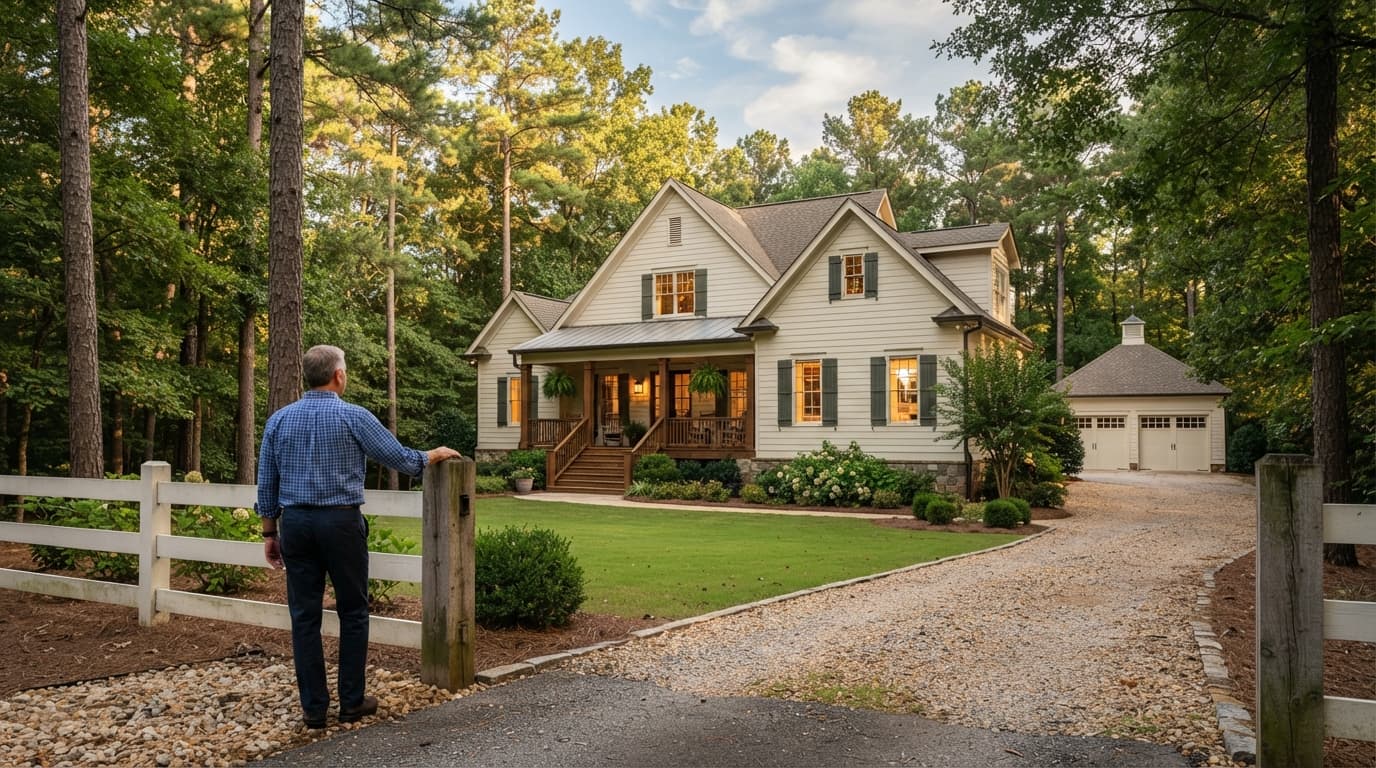
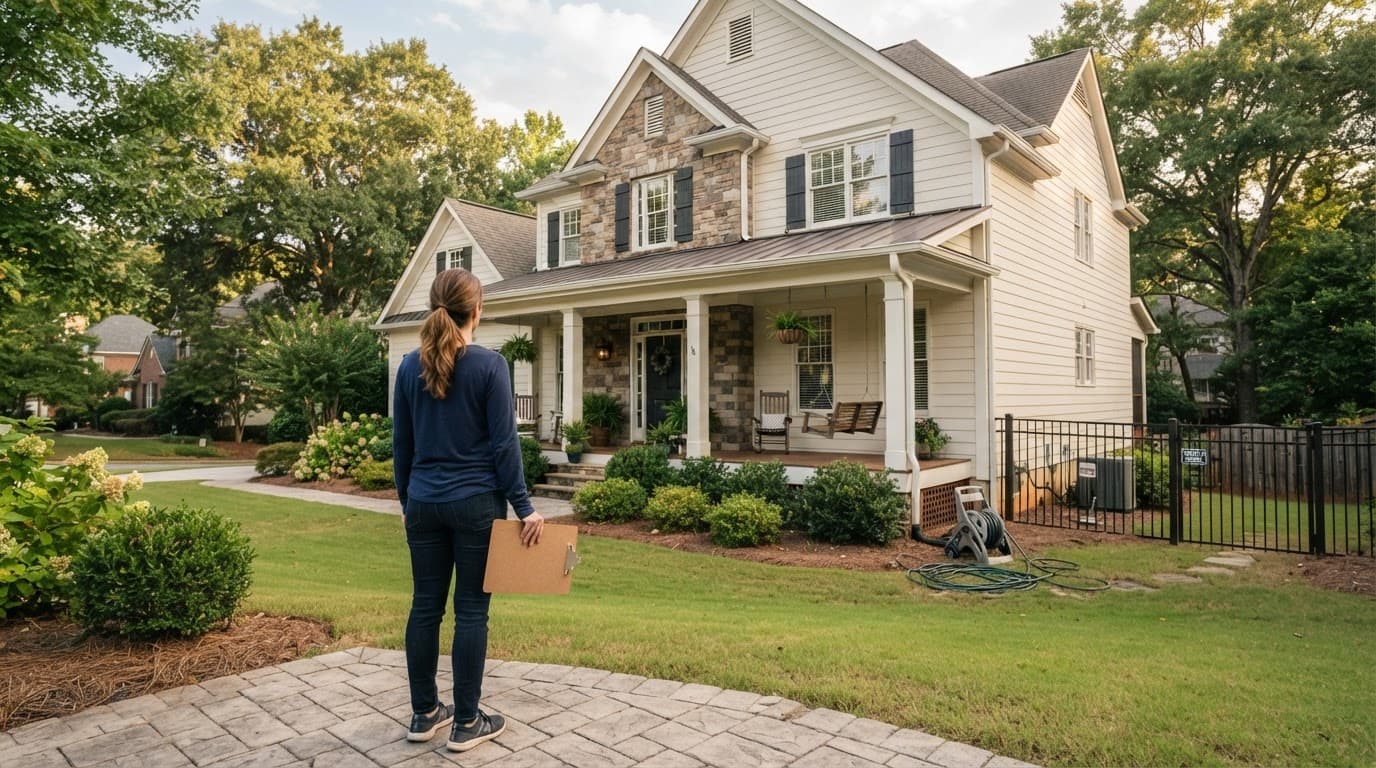
Woodstock has a mix of housing styles, lot sizes, and neighborhood ages that can create meaningful insurance differences within a relatively small area. Homes near wooded lots may face a greater chance of tree-related storm damage, while older properties may need closer review for roofing, wiring, or plumbing updates. Rapid growth in Cherokee County also affects rebuilding costs, since demand for contractors and materials can push repair prices higher after widespread storm events. Nearby communities such as Canton, Holly Springs, Ball Ground, and Waleska share some of these patterns, but Woodstock remains its own market with unique property values, development trends, and neighborhood-level claim experience that insurers may factor into rates.
Key Takeaways for Woodstock Homeowners
Key Points
- Location matters because fire access, storm patterns, drainage, and neighborhood claims trends can all affect pricing in Woodstock.
- Older roofs, outdated wiring, and aging plumbing often lead to higher premiums or fewer carrier options.
- Insurance is based largely on rebuild cost, not simply what the home could sell for in the current market.
- Past claims tied to the home or applicant can raise rates, which makes accurate quote comparisons especially important.
- Deductibles and optional endorsements should be weighed carefully so lower premiums do not create expensive coverage gaps later.

Next Steps Before You Compare Quotes
Before requesting home insurance quotes in Woodstock, gather the details that insurers are most likely to ask about: roof age, square footage, update history, prior claims, and any safety features such as alarm systems or smart water shutoff devices. Then compare policies side by side instead of looking only at the monthly premium. A useful comparison should include dwelling coverage, deductible options, liability limits, loss of use coverage, and exclusions that may affect common claim scenarios in North Georgia. For homeowners in Woodstock and nearby areas like Kennesaw, Acworth, and Alpharetta, a more informed quote review often leads to better value than simply choosing the cheapest number on the page.