
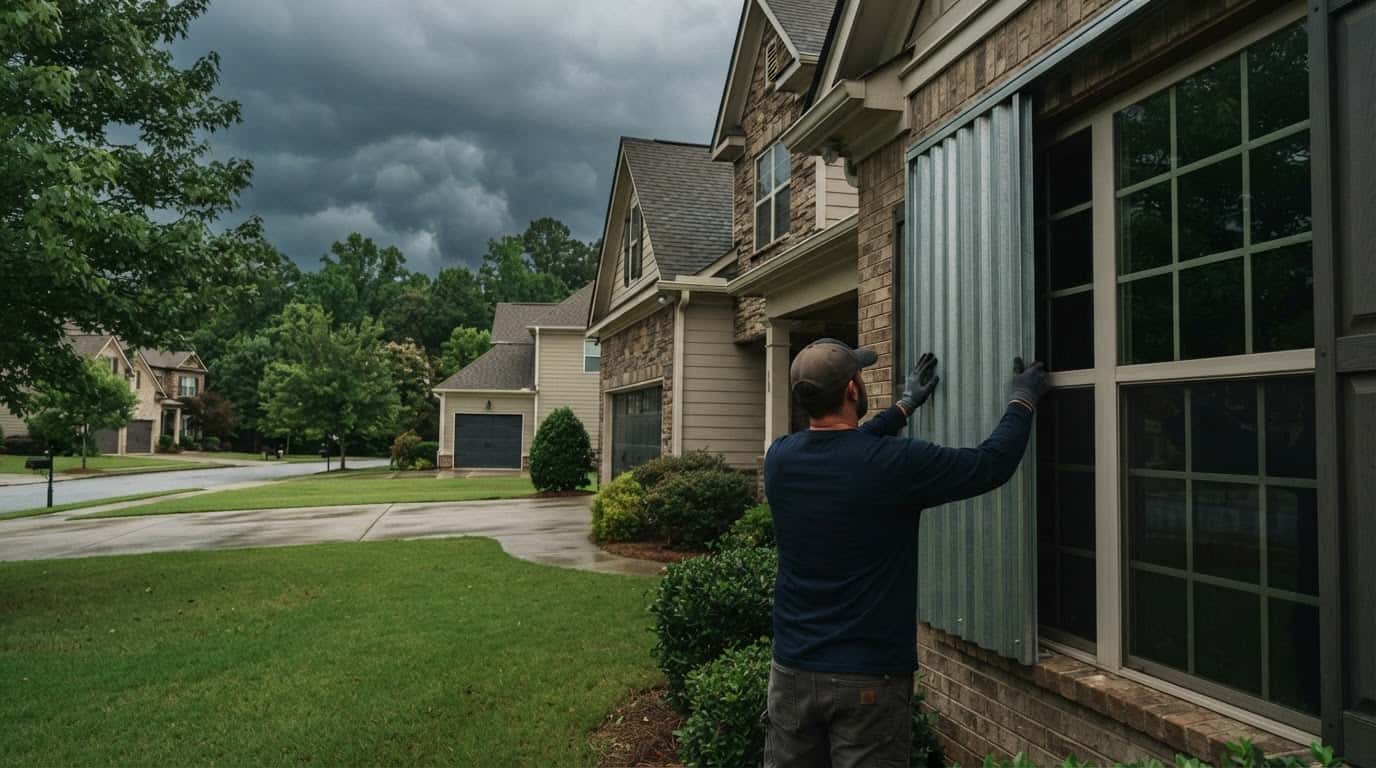
Why Storm Preparation Matters in Woodstock
Severe thunderstorms, heavy rain, strong winds, hail, and occasional tropical weather remnants can affect homes in Woodstock and nearby parts of Cherokee County. Wind can damage shingles, siding, fences, and trees, while intense rain may expose roof leaks or drainage problems. Preparing before a storm helps reduce preventable damage and gives homeowners clearer records if they need to report a loss.
Create a Home Inventory Before Severe Weather
Make a room-by-room record of belongings, including furniture, appliances, electronics, tools, and valuables. Take clear photos or a slow video, capture serial numbers when practical, and save receipts or appraisals for higher-value items. Store copies somewhere separate from the home, such as secure cloud storage. A current inventory can help you describe what was damaged or lost, but it does not replace policy limits, exclusions, or proof required by the insurer.
Review Wind and Hail Deductibles
A deductible is the amount a policyholder is responsible for before covered claim payments apply. Some homeowners policies use a standard fixed deductible, while others may apply a separate wind or hail deductible, often calculated as a percentage of the insured dwelling limit. Check the declarations page and policy wording to identify which deductible applies, how it is calculated, and whether any special conditions or exclusions affect a storm loss. Ask the insurer or a licensed insurance professional to explain unclear terms before storm season.
Storm-Readiness Checklist
- Photograph the roof, exterior, major systems, and personal belongings while conditions are clear.
- Keep gutters and downspouts clear and direct water away from the foundation where practical.
- Secure outdoor furniture, grills, planters, and other loose items when severe weather is forecast.
- Review roof age, tree limbs near the home, and visible drainage concerns with qualified professionals.
- Keep policy details, insurer contact information, and emergency contacts accessible outside the home.

Reduce Damage Without Taking Unnecessary Risks
Before a storm, bring in or secure loose items and follow official weather and emergency instructions. Do not climb onto a roof or attempt hazardous repairs during or immediately after severe weather. For Woodstock properties with mature trees, have concerning limbs assessed by a qualified tree professional before storm season. Routine maintenance may help prevent avoidable problems, but homeowners should keep records of repairs and avoid assuming that maintenance issues will be covered as storm damage.
Local Conditions Around Woodstock
Homes across Woodstock can face different exposures depending on trees, slope, drainage, roof condition, and proximity to creeks or low-lying areas. Heavy rainfall can overwhelm gutters or reveal water entry points, while wind-driven debris can damage exterior surfaces. Nearby communities such as Canton, Holly Springs, and Ball Ground may share similar storm concerns, but property conditions and insurance terms vary from home to home. A general weather forecast cannot determine whether a particular loss is insured.
What to Do After Storm Damage
First, protect people and avoid damaged areas, downed power lines, and unstable structures. Once it is safe, photograph damage before moving or discarding items, and make a list of affected rooms and belongings. Take reasonable temporary steps to prevent additional damage, such as covering an opening if it can be done safely, and keep receipts for related expenses. Contact the insurer promptly using the policy's claim instructions. The insurer may request details, arrange an inspection, and explain applicable deductibles and documentation.
Filing and Following Up on a Home Insurance Claim
When reporting a claim, provide the date of loss, a factual description of what happened, and the available photos, inventory, and repair records. Keep copies of messages, estimates, receipts, and claim documents, and note the names and dates of conversations. Ask what information is still needed and how the claim review will proceed. Coverage decisions depend on the actual policy, the cause and extent of damage, applicable exclusions, and the insurer's investigation; an initial estimate is not a guarantee of payment.
Know Your Rights and Verify Professional Credentials
Georgia homeowners insurance policies are contracts, and claim handling must follow applicable state requirements as well as the policy terms. For questions about an insurer, a claim concern, or consumer protections, consult the Georgia Office of Commissioner of Insurance and Safety Fire. Before hiring someone to assess or repair storm damage, check relevant licenses and qualifications, request a written scope and estimate, and be cautious about pressure to sign documents you do not understand. Public adjusters and insurance producers have distinct roles and should hold the credentials required for their work in Georgia.
Preparing to Review Your Coverage
Gather the declarations page, policy forms, home inventory, and recent repair records before asking coverage questions. Confirm the dwelling limit, personal property limits, deductible amounts, roof-related terms, and any exclusions or endorsements that may matter to your property. Homeowners in Woodstock can compare policy options and request explanations from appropriately licensed insurance professionals. A review can clarify the terms available, but only the issued policy and claim investigation determine coverage for a specific loss.
Frequently Asked Questions
Many homeowners policies cover certain sudden wind or hail damage, subject to the policy's terms, exclusions, limits, and deductible. Review the declarations page and policy wording to see whether a separate wind or hail deductible applies.
Take dated photos or video of each room, the home's exterior, and major belongings. Record model or serial numbers and keep receipts or appraisals for valuable items. Store copies outside the home so they remain available if the property is damaged.
Prioritize safety, avoid hazards, and follow emergency instructions. Once it is safe, photograph damage, take reasonable steps to prevent further loss, keep receipts, and contact your insurer according to the policy's claim instructions.
No. Depending on the policy, a wind or hail deductible may be a fixed amount or a percentage of the insured dwelling limit. Check the declarations page and ask the insurer or a licensed insurance professional how the deductible is calculated.
The general types of coverage may be similar, but coverage depends on each household's issued policy, property details, deductibles, and endorsements. Homeowners in Woodstock, Canton, Kennesaw, and nearby communities should review their own documents rather than assume terms are identical.
Take reasonable steps to protect the home from additional damage, but document the condition first when safe and keep receipts. Contact the insurer promptly and ask whether an inspection or specific documentation is needed before permanent repairs. Do not delay urgent safety measures.
Get Your Home Insurance Quote
Compare coverage options for Woodstock and get help choosing the right policy.