
What Replacement Cost Coverage Means for Woodstock Homeowners
Replacement cost coverage is a method of valuing a covered loss based on the cost to repair or replace damaged property with materials of similar kind and quality, without deducting depreciation. For a Woodstock homeowner, that distinction can matter after a kitchen fire, wind damage, or a burst pipe: a payout based on today’s repair costs may be more useful than a value reduced because a roof, floor, or appliance has aged. Coverage remains subject to the policy’s insured causes of loss, deductible, limits, exclusions, and claim requirements. Dwelling coverage generally concerns the house itself, while personal property may have separate valuation terms. Review both instead of assuming one replacement-cost label applies to everything.
Why Replacement Cost Matters in Woodstock, Georgia
Woodstock homes range from established properties near downtown to newer construction and larger homes in surrounding neighborhoods. Rebuilding costs can vary with home size, roof design, interior finishes, labor availability, and current prices for lumber and other materials. North Georgia storms can bring wind, hail, and heavy rain, while freezing conditions can contribute to burst pipes; whether resulting damage is covered depends on the policy and circumstances. A home’s market price is not the same as its reconstruction cost, because land value, location demand, and comparable sales do not determine what contractors must charge to rebuild. Homeowners in Woodstock, Canton, and Holly Springs should keep property details current and ask how the dwelling estimate accounts for local construction features.
What Replacement Cost Can Cover
For the dwelling, replacement cost may apply to covered damage to structural components such as the roof, walls, flooring, built-in cabinets, and attached fixtures, up to the policy limit and subject to its terms. If a covered fire damages a room, the adjuster evaluates the scope of repairs and the applicable construction costs; the deductible and any special limits still matter. Personal belongings may also be insured on a replacement-cost basis when the policy includes that valuation or an endorsement, but categories such as jewelry, collectibles, or business property can have sublimits. Some policies initially issue payment based on actual cash value and release recoverable depreciation after repairs are completed and documented. Ask which property categories qualify, what deadlines apply, and whether code-upgrade costs require separate ordinance or law coverage.
Potential Benefits to Review
- Claim valuation that does not subtract depreciation for eligible covered repairs or replacements, subject to policy wording and limits.
- A clearer way to insure the structure based on estimated reconstruction cost rather than the home’s sale price or land value.
- Personal property replacement-cost options may help replace eligible belongings with comparable new items, depending on policy terms.
- Optional extended replacement cost or ordinance and law coverage may provide additional protection when selected and available.

Factors That Affect Replacement Cost Rates in Woodstock
Replacement cost coverage is not priced by a single standard amount. Insurers may consider the home’s estimated rebuilding cost, age, roof material and condition, square footage, construction type, heating and plumbing systems, claims history, selected deductible, and chosen endorsements. A larger home with custom millwork or specialty finishes can cost more to reconstruct than a similarly priced home with simpler materials. Rates and eligibility can also vary by insurer and underwriting rules, so there is no reliable universal Woodstock price. Provide accurate details and ask how the dwelling limit was calculated, whether an inflation guard adjusts it over time, and what a higher wind or other deductible would mean for an actual claim. Compare equivalent limits and exclusions, not just the premium.
How a Replacement Cost Home Claim Works
After a loss, take reasonable steps to prevent further damage, keep receipts for emergency work, and contact the insurer or its claim representative promptly using the reporting instructions in your policy. Photograph affected areas and damaged belongings before disposal when it is safe to do so, then prepare an inventory with purchase details or other proof of ownership. An adjuster typically inspects the damage and develops an estimate; review the scope, measurements, materials, and deductible carefully. If the policy pays actual cash value first, the insurer may withhold recoverable depreciation until you complete covered repairs and submit invoices within the stated time. Keep copies of communications and contractor estimates, and ask the insurer to explain any disputed line items. Claim deadlines and settlement procedures depend on the policy and applicable Georgia requirements.
Common Replacement Cost Mistakes and Misconceptions
A frequent mistake is choosing dwelling coverage based on the home’s real estate listing price. Sale prices include land and market demand, while a reconstruction estimate focuses on labor, materials, demolition, and rebuilding the structure. Another misconception is that replacement cost guarantees a full rebuild regardless of the policy limit; ordinary limits, exclusions, deductibles, and settlement conditions still apply. Some homeowners also assume every possession receives replacement-cost treatment, although personal property valuation can differ and category limits may apply. Finally, a new roof or renovation can change replacement needs, so notify the insurer when work is completed. Ask for clarification about depreciation recovery, matching materials, code upgrades, water losses, and any special roof settlement terms before a claim occurs.
Choosing the Right Replacement Cost Limit
Start with a detailed estimate of the cost to reconstruct the home, not its market value. Confirm square footage, number of stories, foundation type, roof shape, exterior materials, built-ins, and quality level; correct any missing or outdated information in the insurer’s calculation. Consider whether the policy offers extended replacement cost, which may increase available dwelling protection under defined conditions, and ordinance or law coverage for extra costs required by current building codes. Select a deductible you could reasonably pay after a loss and check whether separate deductibles apply to particular events. For personal property, consider a home inventory and ask whether replacement-cost coverage is included or optional. Revisit limits after additions, kitchen or bath renovations, major material changes, or significant shifts in construction costs.
Getting Replacement Cost Coverage in Woodstock and Nearby Areas
To compare replacement cost homeowners coverage in Woodstock, gather your address, year built, approximate square footage, roof age and material, recent updates, and information about special features such as finished basements or custom interiors. Request a dwelling reconstruction estimate and ask the insurer to explain valuation for both the structure and belongings. Compare deductible amounts, exclusions, roof settlement terms, water-related limitations, and optional extended replacement cost or ordinance and law coverage. Residents in Woodstock and nearby Canton, Kennesaw, Marietta, Acworth, Roswell, Alpharetta, Holly Springs, Ball Ground, Waleska, Smyrna, and Cumming can use the same checklist while recognizing that property details and insurer availability differ. Georgia insurance rules and policy language matter; review the issued contract and consult a licensed insurance professional for advice about your circumstances.
Review Your Home’s Rebuilding Estimate
Compare dwelling limits, deductibles, and replacement-cost terms to see whether your Woodstock home insurance fits your property and budget.
Get a Free QuoteFrequently Asked Questions
Replacement cost coverage generally values eligible covered repairs or replacements without subtracting depreciation, subject to the policy’s limits, deductible, exclusions, and settlement rules. It does not automatically guarantee a complete rebuild in every situation. Check whether the term applies to the dwelling, personal belongings, or both.
There is no fixed price because premiums depend on the home’s rebuilding estimate, age, construction, roof, claims history, deductible, selected options, and insurer underwriting. Request quotes using matching limits and policy terms, and ask how the dwelling limit was calculated.
Gather accurate home details, request a reconstruction-cost estimate, and compare homeowners policies from insurers licensed to operate in Georgia. Ask about dwelling and personal-property valuation, depreciation recovery, deductibles, exclusions, and optional extended replacement cost or code-upgrade coverage.
No. Replacement cost is generally based on the estimated cost to repair or rebuild the structure with comparable materials, while market value reflects factors such as land and local demand. A home’s sale price may be higher or lower than its reconstruction cost.
Not necessarily. Personal property may have separate valuation terms, category limits, exclusions, and documentation requirements. Some policies include or offer replacement-cost coverage for belongings, while others may settle based on actual cash value. Review the policy and consider keeping a home inventory.
Georgia homeowners are not generally required by state law to select replacement-cost valuation, although a mortgage lender may require homeowners insurance meeting its conditions. Replacement cost can help address depreciation on eligible covered losses, but the best fit depends on your home, budget, policy terms, and lender requirements.
Get Your Home Insurance Quote
Compare coverage options for Woodstock and get help choosing the right policy.
Related Articles
Learn more about replacement cost coverage in woodstock, ga with these expert guides
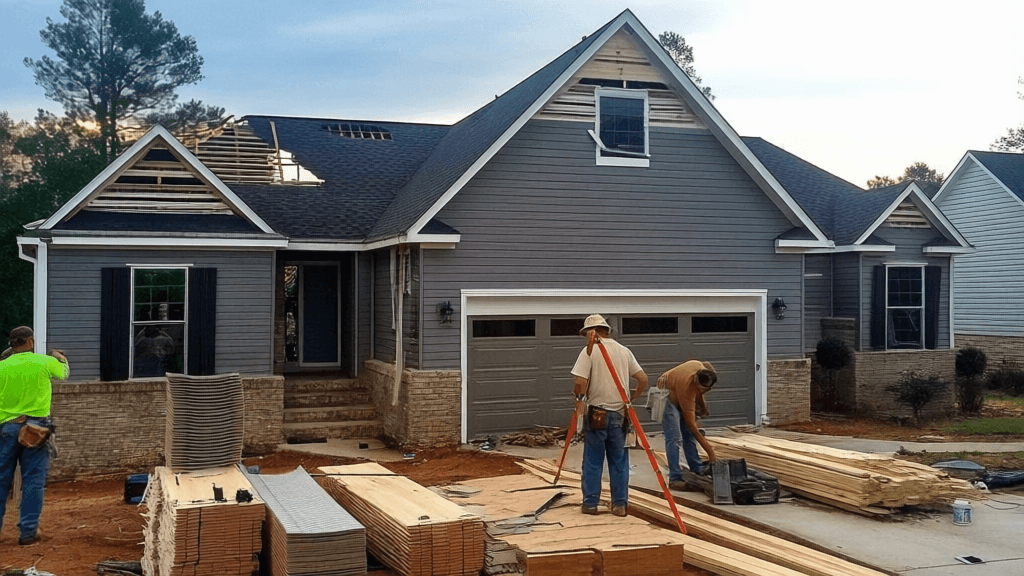
Replacement Cost Coverage in Woodstock, GA
When to Review Extended Replacement Cost Limits in Woodstock, GA
Extended replacement cost can provide a cushion if covered damage makes rebuilding cost more than a home’s dwelling limi...
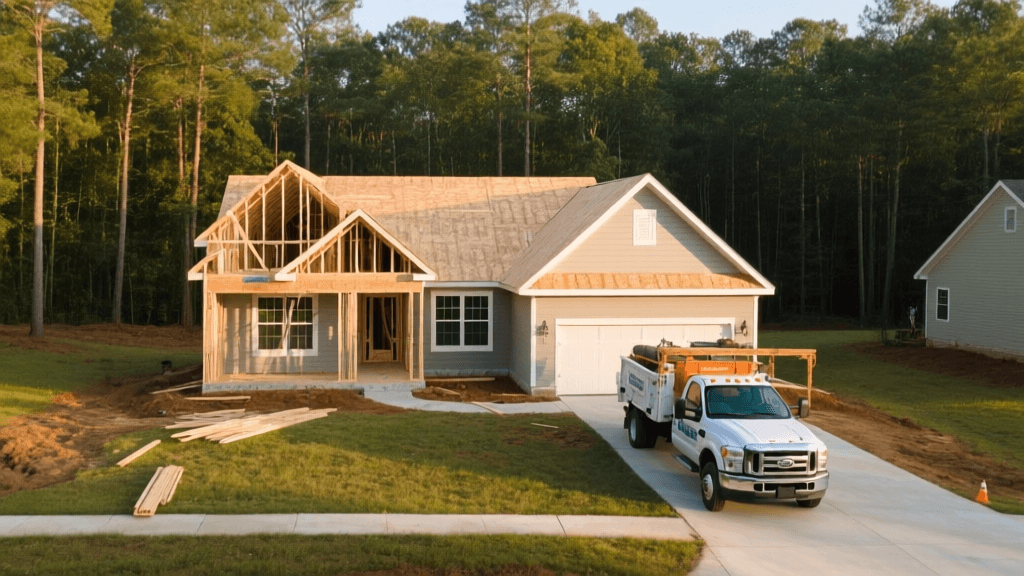
Replacement Cost Coverage in Woodstock, GA
How Replacement Cost Coverage Applies to Rebuilding a Woodstock, GA Home
Replacement cost coverage is generally based on the cost to repair or rebuild a home with comparable materials, rather t...
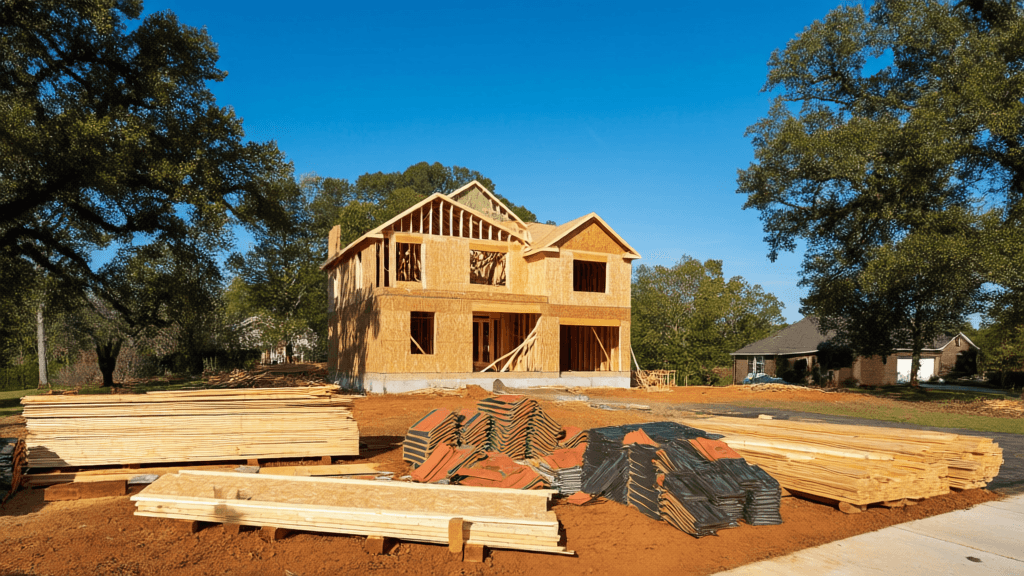
Replacement Cost Coverage in Woodstock, GA
Replacement Cost vs. Market Value for Woodstock, GA Homes
A home's market value and its estimated rebuilding cost measure different things, so they may not match. This guide expl...