Why Extended Replacement Cost Deserves a Closer Look
A home’s insurance limit is meant to reflect the cost of rebuilding the structure, not its market price or the amount it could sell for. In Woodstock, that figure can become outdated after construction costs shift or a homeowner makes substantial improvements. Extended replacement cost coverage may add a defined cushion above the dwelling limit if a covered loss costs more to repair or rebuild than expected. It is not a blank check, however. The feature has policy-specific conditions, and it may not respond to every expense. Reviewing the limit before a loss helps homeowners understand what protection they actually purchased and where a separate coverage gap might remain.
What the Coverage Feature Means
Extended replacement cost is an added allowance that may increase the amount available for a covered dwelling claim beyond the listed dwelling limit, often by a specified percentage. For example, if a policy sets a dwelling limit of $400,000 and provides a 25 percent extension, the potential amount for eligible rebuilding costs could reach $500,000, subject to the policy’s wording and claim requirements. That example is only illustrative; actual limits and calculations differ. Replacement cost generally concerns the expense to repair or replace the home with comparable materials and construction, not the property’s land value. Ask whether the extension applies automatically, requires a particular valuation method, or depends on maintaining an accurate limit.
Why Rebuilding Estimates Can Change
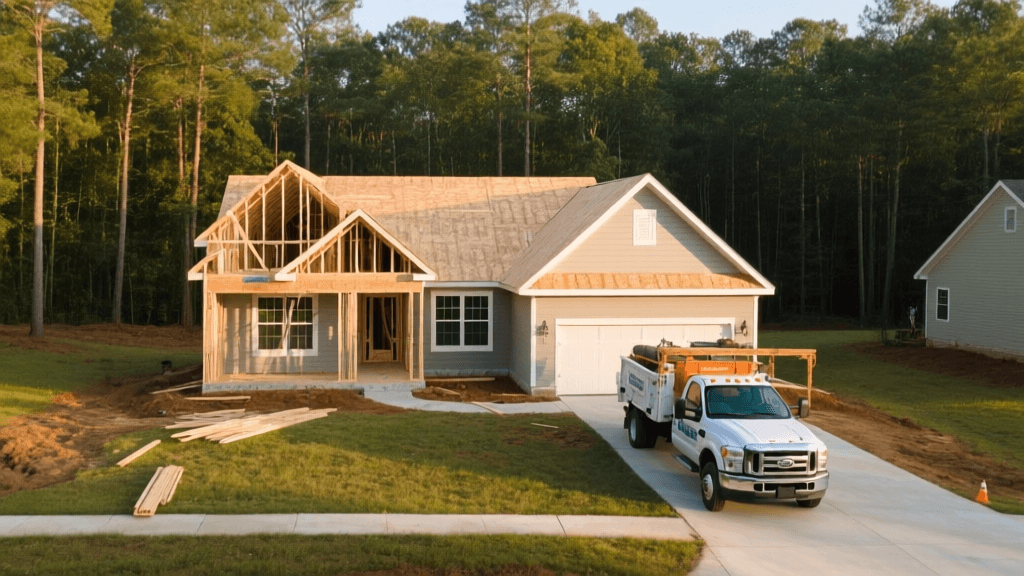
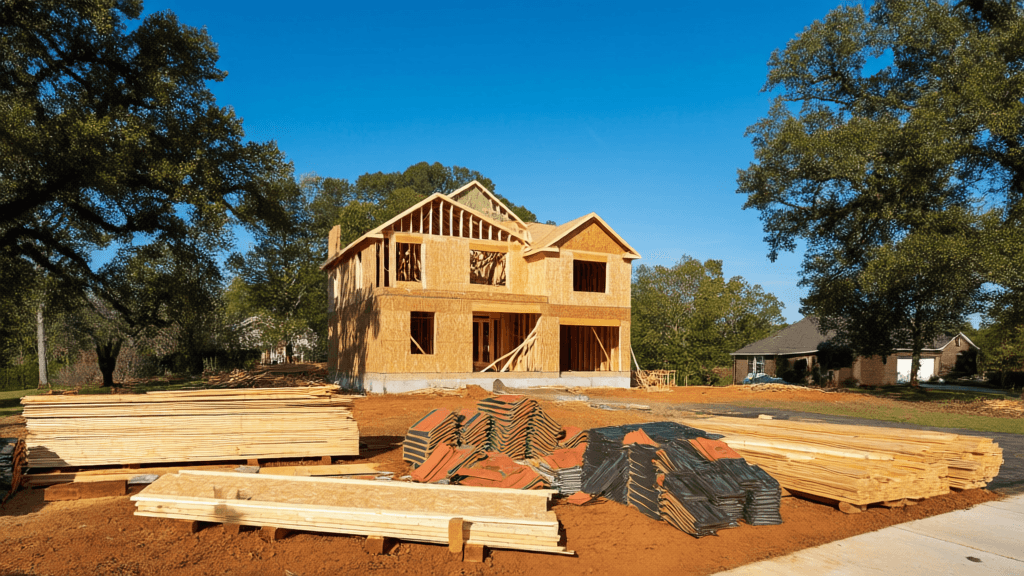
Rebuilding costs can change even when a home’s footprint stays the same. Labor availability, material prices, demolition and debris removal, contractor demand, and local building requirements all influence a project estimate. A severe storm affecting multiple homes in Cherokee County or nearby communities could increase demand for trades and materials at the same time many residents need repairs. A home’s age and construction details matter too: custom trim, masonry, roof design, and specialty finishes may cost more to reproduce than a basic estimate suggests. A renewal review is a useful opportunity to ask what assumptions support the dwelling limit and whether the calculation reflects the home’s current features.
Check the Conditions Before Relying on the Cushion
The extension’s stated percentage is only part of the picture. Review whether the policy requires the dwelling limit to be based on an insurer-approved replacement-cost estimate, whether the home must be insured to a specified percentage of its replacement value, and whether repairs must begin within a certain period. Check how the policy treats code upgrades, debris removal, matching materials, and increased costs after a widespread disaster; some items may have separate limits or endorsements. Also confirm that the loss must be covered in the first place. Extended replacement cost does not turn an excluded cause of damage into a covered claim, and it does not automatically pay for elective upgrades or the value of the land.
Revisit Coverage After Renovations
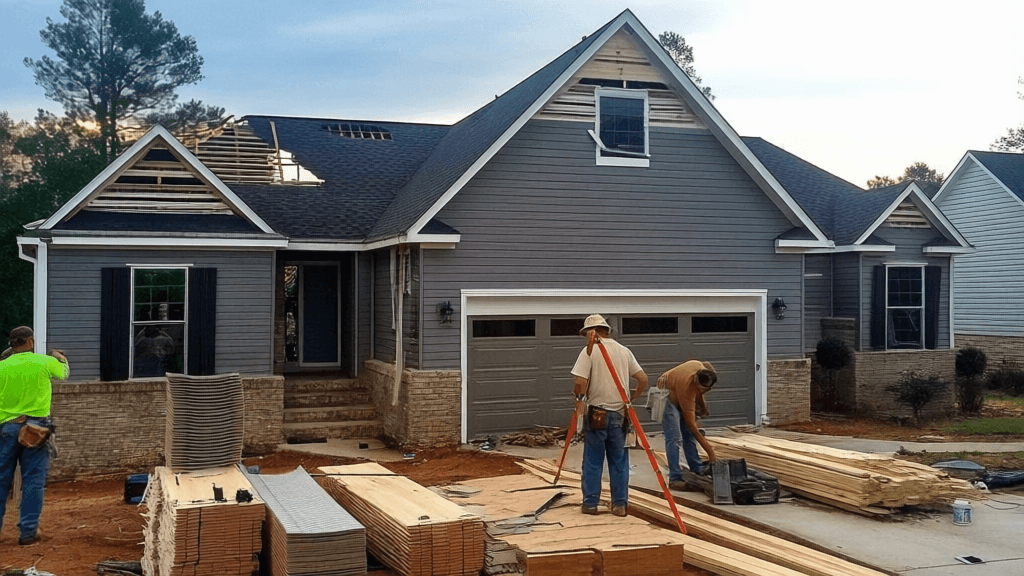
A renovation can raise rebuilding cost even if the home’s resale value changes by a different amount. Adding a room, finishing a basement, replacing a modest kitchen with custom cabinetry, or installing higher-end flooring may increase the expense of restoring the house after a covered loss. Before work begins, tell the insurer or coverage professional what is planned and ask whether the dwelling limit should change during or after construction. Keep invoices, permits, contractor descriptions, and photos of completed work. In Woodstock, where homes range from established neighborhoods to newer construction, details such as added square footage, roof materials, and upgraded systems can make a meaningful difference in a replacement-cost estimate.
Local Considerations for Woodstock Homeowners
Woodstock homeowners should compare their policy assumptions with the home they actually occupy, not rely on a broad neighborhood average. Construction style, slope, access for equipment, roof complexity, and the availability of matching materials can affect a rebuild. Conditions in nearby Canton, Holly Springs, and Ball Ground may differ from a Woodstock property, while contractor and material demand can connect communities across the region after a major event. Local building rules can also influence reconstruction, but coverage for code-related costs is policy-specific and may require separate ordinance or law protection. Ask how the estimate handles debris removal, permits, and required upgrades, and confirm that the policy’s coverage territory and exclusions fit the property.
A Practical Review Checklist
Questions to Ask at Renewal
- How was the dwelling limit calculated, and what home details or construction-cost assumptions were used?
- What percentage or maximum amount does extended replacement cost provide, and what conditions must be met to use it?
- Are building-code upgrades, debris removal, and increased costs after a widespread loss covered within the extension or under separate limits?
- Have additions, finished spaces, upgraded finishes, roof work, or major systems changes been reported since the last review?
- Would a current replacement-cost estimate or an independent contractor assessment help identify a possible gap?

What to Do Before Your Next Renewal
Gather a recent home description, renovation records, and any estimate or valuation used to set the dwelling limit. Then ask a licensed insurance professional to explain the base limit, the extended replacement cost calculation, and the conditions that could affect a claim. If a change is recommended, compare the revised premium and coverage terms rather than focusing only on the extension percentage. Keep the declarations page and relevant endorsements together with project records, and revisit the discussion after significant work or a notable change in rebuilding costs. This review cannot guarantee that every future expense will be covered, but it can help Woodstock homeowners make a more informed decision about the protection their policy provides.
Make Your Coverage Review Count
Compare your current dwelling limit and extension terms with recent home improvements and ask a licensed professional about any gaps.
Get a Free Quote