When an Appliance Failure Becomes More Than an Inconvenience
A refrigerator that stops cooling or an air conditioner that quits during a humid Woodstock summer can quickly become an expensive problem. Standard homeowners insurance generally focuses on covered causes of property damage, not every appliance repair or replacement. Equipment breakdown coverage is an optional provision or endorsement that may address certain sudden mechanical or electrical failures, subject to its wording, limits, and deductible. It is not a warranty and does not guarantee payment for every broken appliance. This guide explains the questions Woodstock homeowners can ask, the situations that may be excluded, and the records that can make a coverage review more useful.
What Equipment Breakdown Coverage Usually Means
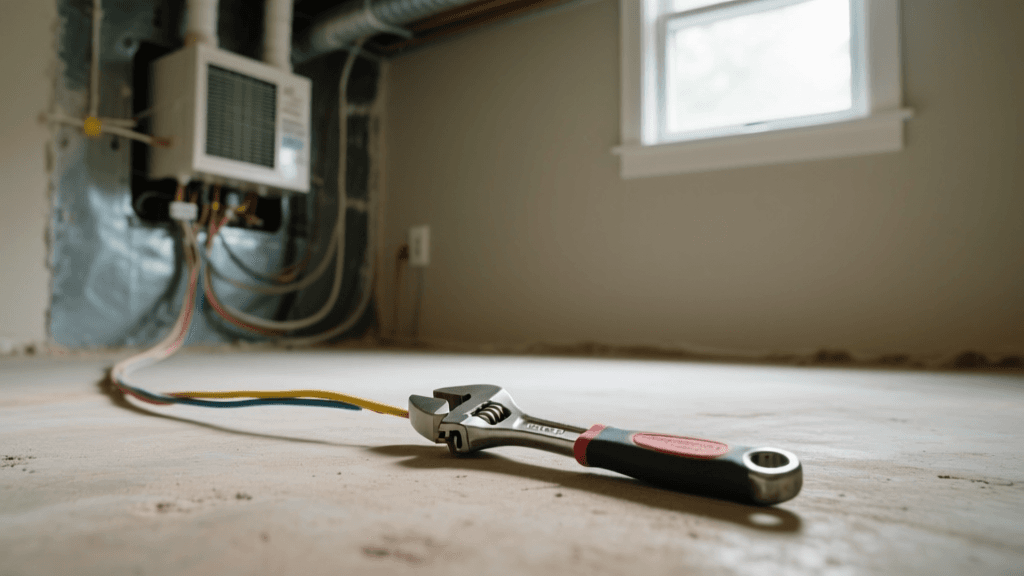
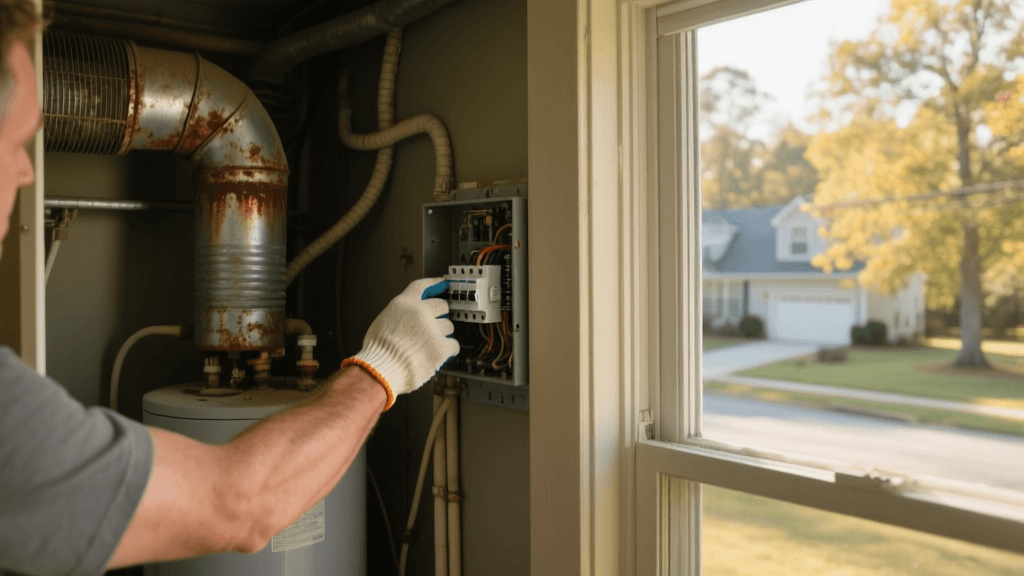
Equipment breakdown coverage is designed for qualifying failures caused by an internal mechanical, electrical, or pressure-related event, rather than ordinary wear or an outside hazard. Depending on the policy, covered equipment may include built-in appliances, heating and cooling systems, electrical panels, or other household systems. A sudden motor or control-board failure might be considered differently from a refrigerator that gradually loses efficiency over many years. Terms vary among insurers, and some policies specify eligible equipment, covered causes, sublimits, deductibles, and how a loss is valued. Check the actual endorsement and declarations page instead of assuming that a familiar appliance is automatically included.
Which Appliance Problems Might Qualify?
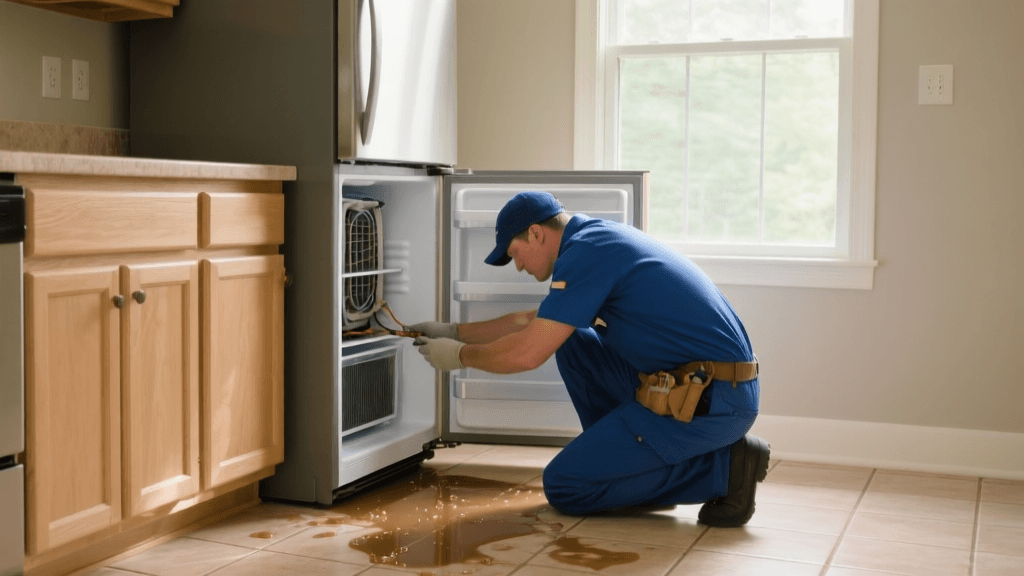
A sudden failure of a component such as a compressor, motor, or electronic control may be worth asking about if the policy includes the appliance and the cause fits its definition of breakdown. For example, a Woodstock homeowner might discover that a freezer has warmed overnight after an abrupt electrical component failure. A service technician can help identify the failed part and likely cause, but the insurer determines coverage under the contract. Keep in mind that the cost of spoiled food, temporary lodging, or emergency service may be handled under separate terms, if at all. Ask whether those expenses are included, capped, or excluded before relying on them.
Common Exclusions and Conditions to Check
Policies commonly limit or exclude problems involving normal wear, corrosion, rust, lack of maintenance, defects, or equipment that has reached the end of its useful life. Damage caused by a covered external event, such as a lightning-related power surge, may be considered under a different part of the policy, while a utility interruption may have its own restrictions. An appliance still under a manufacturer’s warranty could have overlapping protection, and the policy may coordinate with that warranty. Woodstock homes also vary in age and equipment condition, so do not assume one household’s claim outcome applies to another. Review waiting periods, service requirements, exclusions, and any requirement to protect property from further damage.
What to Do Before Repair or Replacement
Start by taking reasonable steps to prevent additional damage. If a leaking appliance is involved, shut off its water supply when safe, and move belongings away from the affected area. Photograph the appliance, model and serial number labels, visible damage, and any water or food loss before cleanup changes the scene. Contact the insurer or policy representative promptly to ask whether an inspection or authorization is needed before a major repair. Emergency work may be necessary, but preserve removed parts when practical and ask the technician to document findings. Avoid discarding the appliance until the insurer says it is no longer needed for review.
Records That Can Support a Coverage Review
Useful records tell a consistent story about the appliance, the failure, and the cost to restore service. Save the original purchase receipt if available, warranty paperwork, maintenance history, photographs, and any messages about when the problem began. Ask the repair company for an itemized estimate or invoice listing the diagnosis, failed component, labor, parts, and whether repair or replacement is recommended. Keep receipts for temporary measures, such as a rental refrigerator, only if the policy might address those costs. If the cause is unclear, ask the technician to distinguish an abrupt electrical or mechanical event from age-related deterioration. These documents do not establish coverage by themselves, but they help the insurer evaluate the claim against the policy.
Local Considerations for Woodstock Homeowners
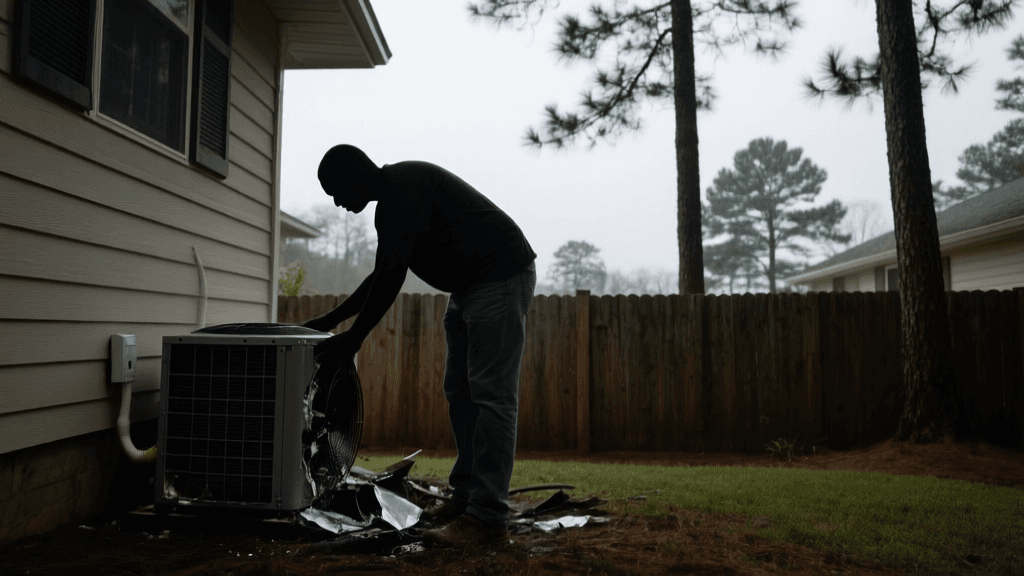
In Woodstock, hot, humid weather can make an air-conditioning failure especially urgent, while summer storms may raise questions about power interruptions or electrical surges. Homes in Woodstock and nearby Canton, Holly Springs, and Acworth can have different equipment ages, installation histories, and maintenance needs, so the useful question is not simply whether a system is old or new. It is what failed, how it failed, and whether the policy’s definition and conditions apply. Keep HVAC service notes and receipts for surge-protection equipment if relevant. During a breakdown, prioritize safe steps and prompt professional diagnosis rather than assuming that a weather-related timing automatically makes a loss covered.
Practical Takeaways
- Read the equipment breakdown endorsement for covered appliances, causes of loss, deductibles, limits, and exclusions.
- Ask whether the policy treats sudden component failure differently from gradual wear, poor maintenance, or a manufacturer defect.
- Photograph the appliance and damage, record the model and serial number, and preserve receipts and warranty information.
- Request an itemized technician diagnosis that identifies the failed part and explains the likely cause.
- Contact the insurer promptly and ask whether an inspection or approval is needed before non-emergency work.

Next Steps: Compare the Policy to the Problem
If an appliance has failed, gather the policy declarations and any equipment breakdown endorsement, then compare the reported cause with the policy language. Call the insurer or an appropriately licensed insurance professional to ask about the deductible, claim process, repair authorization, and documentation needed. If you are reviewing coverage before a breakdown, compare the endorsement’s cost and limits with the age and replacement value of household equipment, and check how any manufacturer warranties apply. A quote or coverage summary is not a substitute for the full contract. For Woodstock homeowners, understanding these details before an urgent summer HVAC or refrigerator failure can make it easier to choose a sensible next step.
Review Your Home Equipment Protection
Compare policy terms and ask a licensed insurance professional which appliance breakdown provisions may fit your household.
Get a Free Quote