Why Home Equipment Care Matters in Woodstock
A home’s heating and cooling equipment, wiring, plumbing, and major appliances work quietly until a fault interrupts daily life or damages the property. In Woodstock, hot, humid summers can put steady demands on air conditioning, while seasonal storms and occasional freezes make drainage, exterior connections, and exposed pipes worth checking. Maintenance cannot prevent every failure, but it can reveal warning signs early and help establish what condition equipment was in before a loss. This guide explains practical upkeep and recordkeeping, then distinguishes ordinary deterioration from a sudden incident that may qualify for coverage under a specific homeowners policy.
The Difference Between Wear and a Sudden Loss
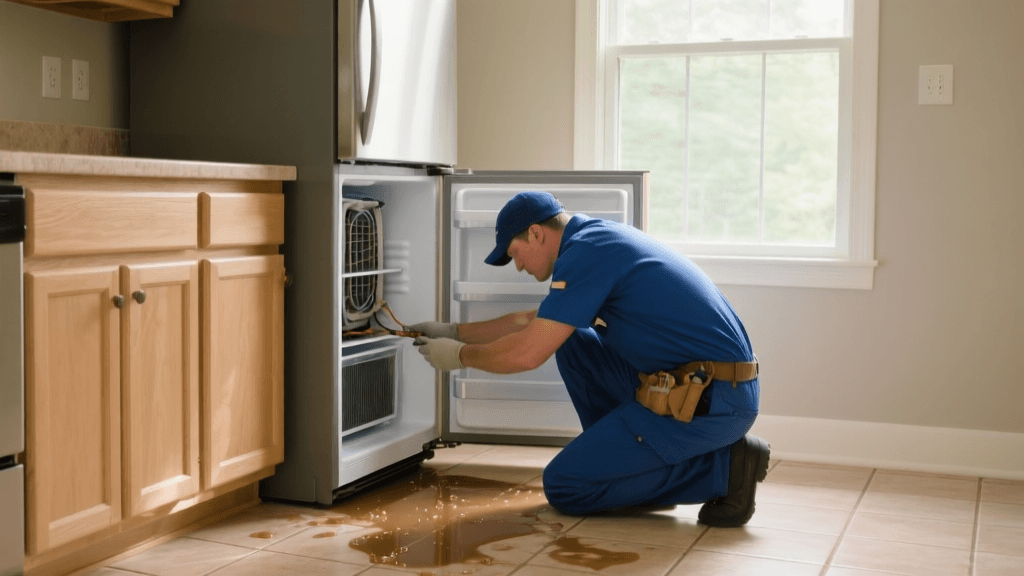
Home insurance is generally designed for covered, accidental losses, not the cost of routine servicing or replacing an appliance simply because it has aged. A slow leak that develops over months, corrosion, neglected maintenance, and mechanical wear may be treated differently from a sudden pipe rupture or an abrupt electrical event. The exact result depends on policy language, the cause of damage, exclusions, limits, and the facts of the claim. For example, a failed dishwasher hose that quickly releases water may create a different coverage question than long-term seepage hidden under a cabinet. Read the policy’s water, equipment, and loss-settlement provisions rather than relying on a broad assumption.
Maintain HVAC Equipment and Keep a Service Trail
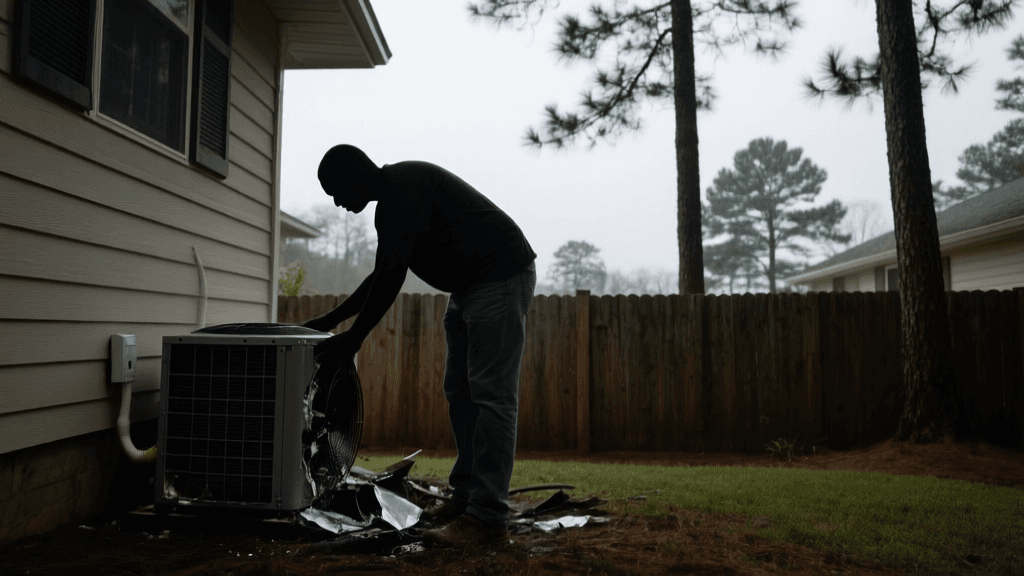
Woodstock’s cooling season can be demanding, so follow the manufacturer’s recommended schedule for filter changes, coil care, condensate drainage, and professional inspections. Keep outdoor units clear of leaves and vegetation, and watch for unusual noise, weak airflow, ice, or water near the indoor equipment. A blocked condensate line can overflow and damage nearby finishes, even when the air conditioner still seems to run. Save dated invoices, inspection notes, filter receipts, and any repair recommendations. If a technician identifies a developing issue, document what was advised and what action followed. These records can support maintenance history and help explain the timeline if a later claim involves the system.
Check Plumbing and Reduce Water-Damage Risks
Inspect visible supply lines under sinks, behind toilets, and near washing machines for bulges, rust, cracking, dampness, or mineral deposits. Replace aging hoses according to manufacturer guidance, and make sure shutoff valves can turn when needed. Know where the main water shutoff is and show household members how to use it. During a hard freeze, protect vulnerable pipes and keep indoor heat at a safe level; when away, consider asking someone to check the property. Woodstock homes vary in age and construction, so a recurring damp smell, unexplained water-bill increase, or soft flooring deserves prompt investigation. Quick action may limit damage, though insurance treatment depends on cause and policy terms.
Electrical Systems and Major Appliances Need Attention Too
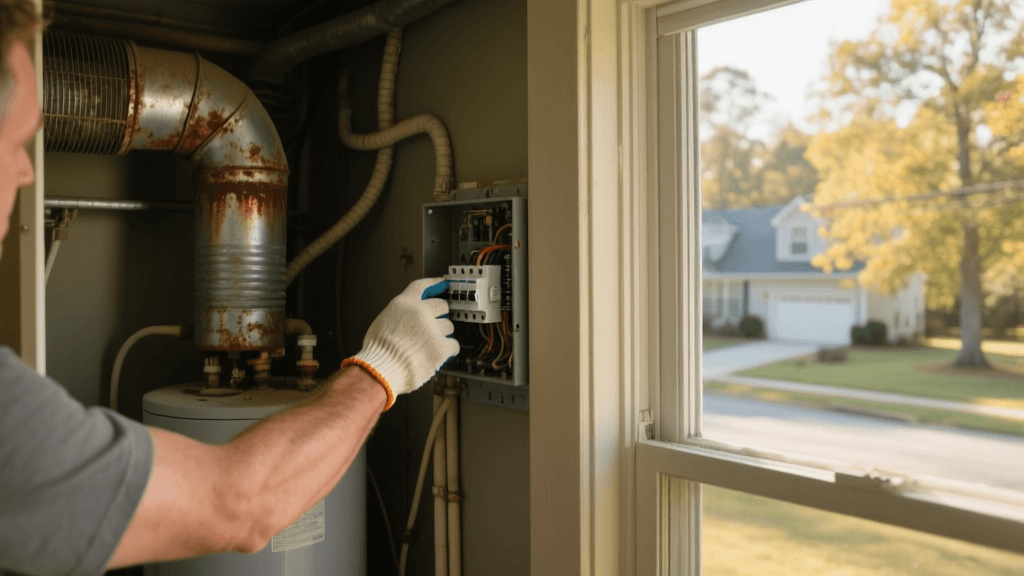
Do not ignore frequently tripped breakers, warm outlets, flickering lights, burning odors, or buzzing from a panel. These signs call for assessment by a qualified electrician, not repeated breaker resets or do-it-yourself panel work. For appliances, follow installation and cleaning instructions, avoid overloading circuits, and check refrigerator, dryer, and dishwasher connections for visible wear or leaks. Clean a dryer’s lint filter after each use and keep the exhaust path maintained as directed. Retain receipts for installation and repair, including model and serial numbers when available. Good records can make it easier to establish age, ownership, and prior condition, but they do not guarantee that a future breakdown will be insured.
Build a Useful Home Maintenance Record
A practical record does not need to be complicated. Keep a digital folder or home log with equipment model numbers, purchase and installation dates, service invoices, inspection findings, warranties, and photos of the equipment and surrounding areas. Add the date whenever a repair is completed or a leak, electrical concern, or unusual sound is noticed. Store copies somewhere other than the home, such as secure cloud storage, so they remain available after a serious loss. In Woodstock, where summer storms can bring heavy rain and power interruptions, dated photographs of the home’s condition and receipts for emergency work may help organize conversations with contractors and an insurer.
Local Considerations for Woodstock Homeowners
Woodstock’s mix of established neighborhoods and newer developments means equipment age, plumbing materials, drainage patterns, and service needs can differ from one property to another. Heavy rainfall can expose grading or gutter problems, while humid weather makes reliable air conditioning and condensate drainage especially important. Homeowners in nearby Canton, Holly Springs, and Ball Ground may encounter similar seasonal concerns, but the right maintenance plan depends on the individual home and its equipment. Check gutters and downspouts, make sure water drains away from the foundation, and respond promptly to roof or plumbing leaks. Local conditions inform prevention; the policy contract determines whether resulting damage is covered.
Key Takeaways for Protecting Equipment and Coverage
A Practical Homeowner Checklist
- Follow manufacturer schedules for HVAC servicing, appliance cleaning, and replacement of aging hoses or filters; keep dated receipts and technician notes.
- Investigate warning signs promptly, including dampness, unusual odors, repeated breaker trips, weak airflow, and unexplained increases in water use.
- Photograph major equipment and save model numbers, installation dates, repair history, and relevant warranty documents in a secure location.
- Review policy language for wear and tear, water damage, equipment breakdown, deductibles, and exclusions; ask an insurance professional about unclear terms.

Review Your Policy Before a Breakdown Happens
When comparing homeowners coverage, look beyond the premium and identify how the policy handles sudden water damage, mechanical or electrical breakdown, and damage to the equipment itself. Some policies may offer optional equipment-breakdown coverage, while other losses may be limited or excluded; availability and definitions vary. Ask what deductible applies, whether the policy covers repair or replacement, and how it treats damage caused by a covered failure. If a problem occurs, take reasonable steps to prevent further damage, document the scene, keep emergency invoices, and contact the insurer promptly using the policy’s claims instructions. Maintenance records help tell the story, but they do not substitute for reading the contract.
Make Maintenance and Coverage Part of Your Home Plan
Review your equipment records and policy wording, then compare available coverage options for your Woodstock home.
Get a Free Quote