What Equipment Breakdown Coverage Means for Woodstock Homeowners
A failed air conditioner in the middle of a hot Georgia afternoon can quickly become more than an inconvenience. Equipment breakdown coverage is an optional homeowners policy endorsement that may help with certain sudden and accidental mechanical or electrical failures of covered equipment. It is different from a home warranty and is not a promise to pay for every repair. For Woodstock homeowners, the useful first step is to identify which systems matter most to daily life, then check whether an endorsement is available and what its limits, exclusions, and deductible say. This guide explains common covered-failure scenarios, maintenance distinctions, and policy questions to ask before a problem occurs.
Why Home System Failures Matter in North Georgia
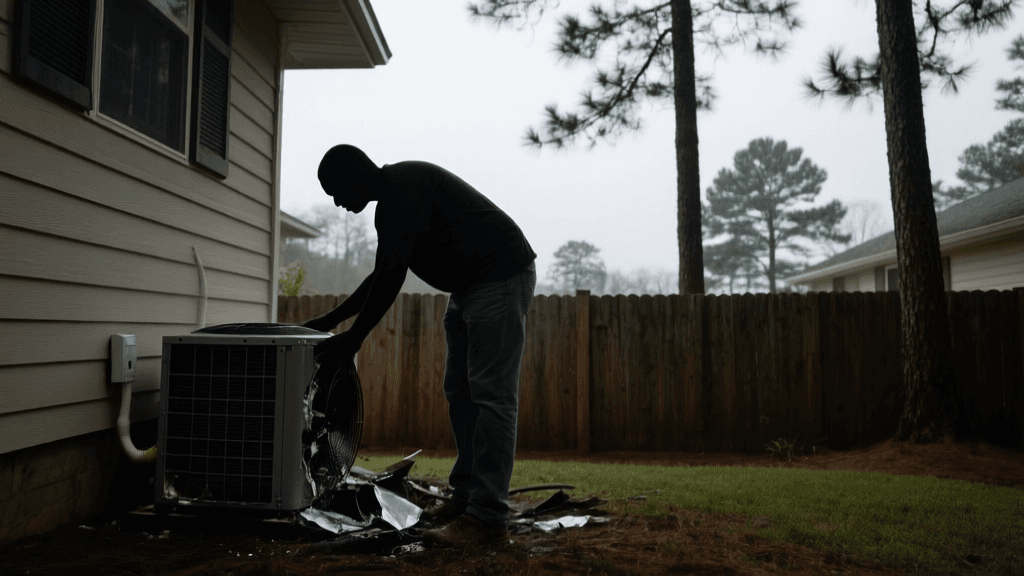
Woodstock homes experience hot, humid summers, seasonal storms, and occasional cold snaps, all of which can make reliable heating, cooling, and electrical systems important. A sudden compressor failure during a heat wave, for example, may require prompt diagnosis and repair, while an electrical surge could affect several connected appliances. Coverage depends on the specific contract: some policies define eligible equipment broadly, while others set conditions, sublimits, or exclusions. Equipment breakdown protection generally addresses a covered failure event rather than the age or general condition of a system. Reviewing the endorsement before summer cooling demand or winter heating needs rise gives homeowners time to understand terms without making decisions during an urgent repair.
How Covered Sudden Failures Differ From Wear and Tear
The key distinction is usually the cause of damage. A sudden electrical short or an abrupt mechanical failure may fit the endorsement’s definition of breakdown, depending on the policy and the facts. A furnace that gradually loses efficiency, a refrigerator with worn seals, or an air conditioner that has declined after years of use may instead involve deterioration, age, or maintenance issues. Those conditions are commonly excluded from equipment breakdown coverage. Keep service records, invoices, and any technician’s written diagnosis; they can help clarify what failed and when. Never assume a repair is covered based only on the name of the endorsement. The exact wording, deductible, and claim circumstances determine whether benefits may apply.
Home Systems and Appliances Worth Reviewing
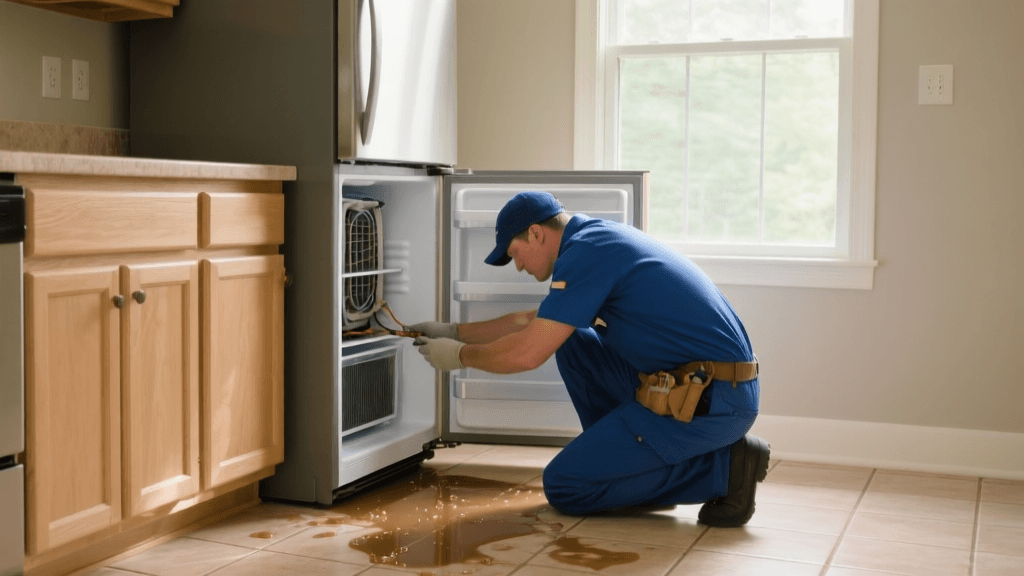
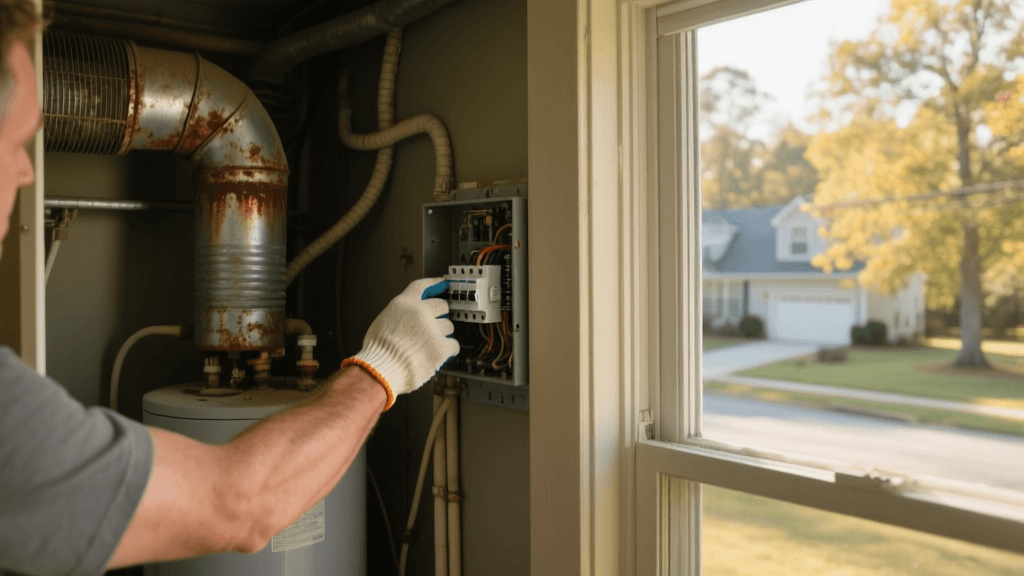
Start with equipment that is expensive to repair or difficult to live without. Depending on the endorsement, eligible items may include central heating and air conditioning equipment, water heaters, electrical panels, built-in appliances, refrigerators, washers, dryers, or certain pumps and controls. Coverage may also address related damage caused by a covered breakdown, but that varies by contract. Make a simple inventory with each item’s age, approximate replacement cost, and recent service history. A Woodstock household with an older HVAC system and a newer electrical panel may have different priorities from a household with a basement pump or specialized home equipment. Ask which items qualify, whether equipment must be maintained, and if outdoor or portable units are treated differently.
Read Limits, Deductibles, and Exclusions Before Choosing
Two endorsements with similar names can provide different protection. Check the maximum amount payable per occurrence and whether there is a separate annual aggregate limit. Compare the deductible with likely repair costs, and ask whether the policy offers replacement-cost treatment, repair-cost coverage, or another valuation method. Look for exclusions involving corrosion, leaks, frozen equipment, power interruptions, or equipment that has not been properly maintained; wording varies, so do not rely on assumptions. Also find out whether spoiled food, temporary lodging, or damage to other property is included, capped, or excluded. These details help reveal whether the added premium is worthwhile for your household and prevent an unpleasant surprise when a service technician identifies the cause of failure.
Practical Steps to Reduce Confusion During a Breakdown
If a system stops working, first address immediate safety concerns. For a burning smell, sparking, or suspected gas issue, leave the area and contact the appropriate emergency service or utility rather than attempting a repair. For a non-emergency failure, document the date, symptoms, and any visible damage, then arrange a qualified technician’s inspection. Save the diagnosis and itemized estimate, and contact the insurer or claims contact listed in the policy before authorizing extensive work when practical. Keep damaged parts until you are told they may be discarded, if doing so is safe. Regular filter changes, manufacturer-recommended servicing, and prompt attention to unusual noises or tripped breakers can support equipment reliability, even though maintenance itself is not what breakdown coverage is designed to pay for.
Local Considerations Around Woodstock and Nearby Communities
In Woodstock and nearby Cherokee County communities such as Holly Springs, Canton, and Ball Ground, homes vary from established properties with aging equipment to newer construction with modern controls and connected appliances. Across the wider service area, including Kennesaw, Acworth, and Roswell, summer cooling needs can make an HVAC outage especially disruptive. A system’s age, installation history, and maintenance records may affect how a claim is evaluated, while policy terms—not the city where a home sits—determine what is insured. Homeowners should also review their overall home policy for separate provisions concerning storm damage, power surges, water escape, and service lines, because these protections may address different causes than an equipment breakdown endorsement.
Key Questions to Ask When Comparing Coverage
A Focused Policy Review
- Ask which mechanical and electrical systems qualify, including HVAC, water heaters, built-in appliances, pumps, and electrical components.
- Confirm the per-occurrence limit, annual aggregate, deductible, and how covered equipment is valued after a failure.
- Request examples of covered sudden breakdowns and excluded wear, corrosion, gradual deterioration, or maintenance problems.
- Find out whether the endorsement covers resulting damage, food spoilage, or temporary living costs, and check any sublimits.
- Compare the added premium with the replacement cost and reliability of the systems your household depends on most.

Next Steps for Woodstock Homeowners
Gather your current homeowners policy, any equipment breakdown endorsement, and a short list of major systems with approximate ages. Then compare the actual wording and limits rather than relying on a general description of the coverage. Ask for clarification about a specific concern, such as an older air conditioner, a water heater, or a recent electrical upgrade, and note the answer for future reference. If you are comparing homeowners insurance options in Woodstock, Canton, or neighboring areas, review the complete policy package, including deductibles and exclusions, instead of looking only at the endorsement price. Coverage availability and claim decisions depend on the insurer’s terms and individual circumstances, so confirm details directly before making a purchase or starting repairs.
Review Your Home Systems Coverage
Compare endorsement terms, limits, and exclusions to see whether equipment breakdown protection fits your Woodstock household.
Get a Free Quote