Why Create a Home Inventory Before Flooding Happens?
After floodwater enters a home, it can be difficult to remember exactly what was in a closet, basement, or garage, let alone when items were purchased or what they cost. A home inventory gives Woodstock residents a pre-loss record to consult while organizing recovery and discussing damaged property with an insurer. It is a list of belongings supported by details such as photographs, receipts, and model numbers. The best time to create one is before a warning or emergency, while rooms are accessible and possessions are dry. This guide covers what to record, how to protect the records, and why policy details matter.
Flood Risk and Recovery Planning in Woodstock
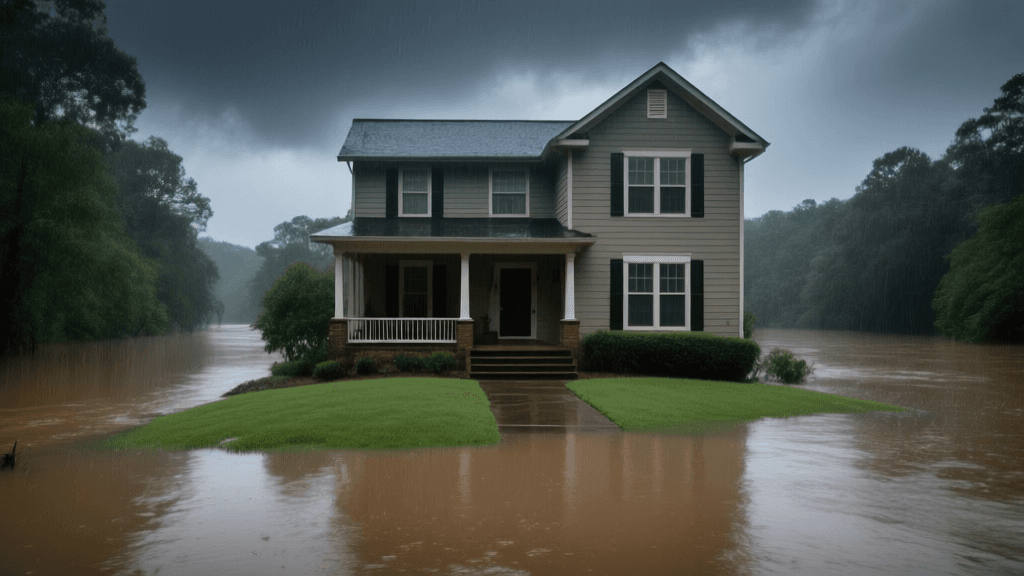
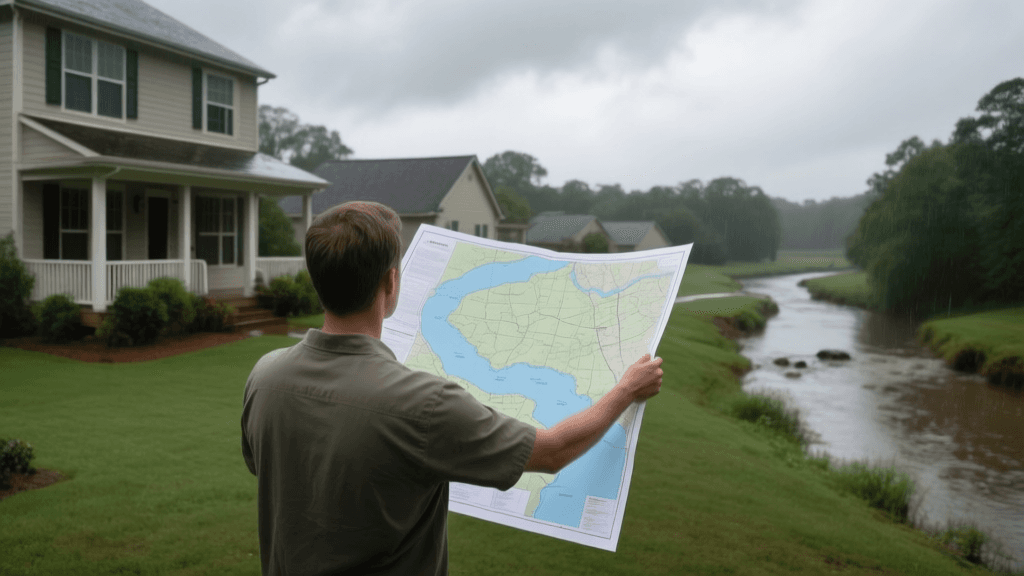
Flooding does not only affect homes beside a large river. Heavy rain can overwhelm drainage, collect in low areas, or cause water to enter lower levels and detached structures. Woodstock homeowners may want to consider how water could affect their particular lot, including the slope, nearby creeks, drainage paths, and the location of mechanical equipment. Conditions vary from one neighborhood to another, so a general impression of local risk is not a substitute for checking property-specific information. An inventory is useful in any risk area because it supports planning and recovery, but it does not prevent damage or guarantee that a particular loss is insured.
What Belongings Should Your Inventory Include?
Work room by room and record the items that would be difficult or costly to replace. Include furniture, electronics, clothing, appliances, tools, sporting equipment, and belongings stored in basements, garages, or sheds. For each item, note a clear description, brand, model or serial number when available, approximate purchase date, and estimated replacement cost. Take wide room photographs first, then closer images of valuable or distinctive objects. Open drawers and closets so the record reflects what is actually stored there. Keep receipts for major purchases when available, but do not delay the inventory because an old receipt is missing; a useful description and dated photograph are better than no record.
How to Record Items Clearly and Consistently
Choose a format that is easy to update, such as a spreadsheet, inventory app, or written list paired with photos. Use consistent descriptions rather than vague entries like “kitchen items.” For example, identify a stand mixer by its brand, color, model, and approximate purchase year, and photograph it alongside any available receipt. For collections, musical instruments, jewelry, or other high-value possessions, record identifying features and consider keeping an appraisal or professional valuation if appropriate. Avoid estimating every price from memory in one sitting. Build the record in short sessions, and review it after major purchases, renovations, moves, or seasonal changes.
Keep Inventory Records Safe and Accessible
A record stored only on a computer or phone kept inside the home may be inaccessible after a serious loss. Save digital copies in a secure cloud account and keep another copy on a password-protected external drive stored away from the property, such as with a trusted relative. Paper receipts, appraisals, and policy documents can be scanned and backed up as well. Protect account access with strong, unique passwords and multifactor authentication where available. Avoid sharing inventory files publicly because photographs may reveal valuables or personal information. Test that backups open correctly, and make sure a trusted household member knows how to find the records if the primary organizer cannot.
Understand What a Flood Policy Covers
Do not assume a standard homeowners policy covers flood damage. Flood insurance is generally arranged separately, and coverage depends on the specific policy, definitions, limits, deductibles, and exclusions. A policy may distinguish the building from personal contents, and contents coverage can have different limits or eligibility rules. Some property types or locations within a home may receive different treatment, so ask how items in a basement, crawlspace, garage, or detached structure are handled. Confirm whether the policy uses replacement cost or actual cash value for covered contents and what documentation may be needed. Read the policy and ask the insurer or qualified insurance professional to explain unclear terms before a loss.
A Woodstock-Focused Plan for Local Conditions
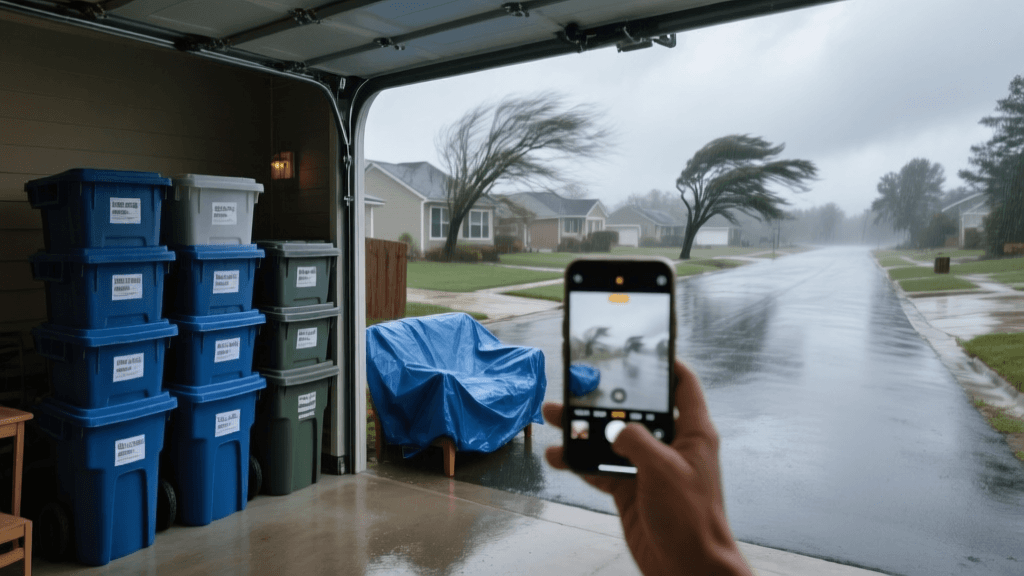
For a Woodstock household, an inventory can also help prioritize what to move or protect when forecasts call for intense rain. Identify belongings stored at floor level, note where important documents and electronics are kept, and consider whether valuable items can be relocated to higher shelves before water threatens the area. Homeowners in nearby Canton, Holly Springs, or Acworth may face different property layouts and drainage conditions, so tailor the plan to the home rather than relying on a neighbor’s experience. Check official weather alerts and local emergency guidance, and never enter moving water to retrieve possessions. Safety comes first; an inventory supports later documentation, not risky salvage efforts.
Home Inventory Essentials
- Photograph each room and capture close-ups of valuable items, labels, and serial numbers.
- Record item descriptions, approximate purchase dates, and estimated replacement costs.
- Save receipts, appraisals, and relevant policy documents as digital copies where practical.
- Keep at least one backup outside the home and verify that files are accessible.
- Review flood policy limits, deductibles, exclusions, and treatment of contents in lower-level spaces.

What to Do Before the Next Heavy-Rain Season
Start with one room this week, then set a reminder to complete the rest rather than waiting for a forecast or warning. Once the inventory is assembled, compare it with the policy’s contents limits and ask specific questions about valuable property, deductibles, waiting periods, exclusions, and how claims are documented. Coverage terms and eligibility can vary, so rely on the actual policy and current information rather than assumptions or general online summaries. If you are comparing flood insurance options, gather details about the building, contents, and location so quotes can be evaluated on comparable terms. An accurate record cannot prevent a flood, but it can make preparedness more organized and help keep important information available when it is needed.
Make Your Flood Plan More Complete
Create a room-by-room inventory and review your flood policy before the next heavy-rain forecast.
Get a Free Quote