Why Woodstock Homeowners Should Check the Flood Gap
A burst pipe in a Woodstock home and rising water after a prolonged downpour may both leave floors, walls, and belongings wet, but insurance can treat them very differently. Standard homeowners policies commonly cover certain sudden and accidental plumbing losses while excluding damage caused by flood. That distinction matters around Woodstock, where heavy rain, sloping lots, creeks, and neighborhood drainage systems can all shape how water moves. A home that has never flooded is not automatically free of risk. This guide explains what insurers generally mean by flood, how water backup differs, and what to check before choosing protection.
What Counts as a Flood, and Why Is It Often Excluded?
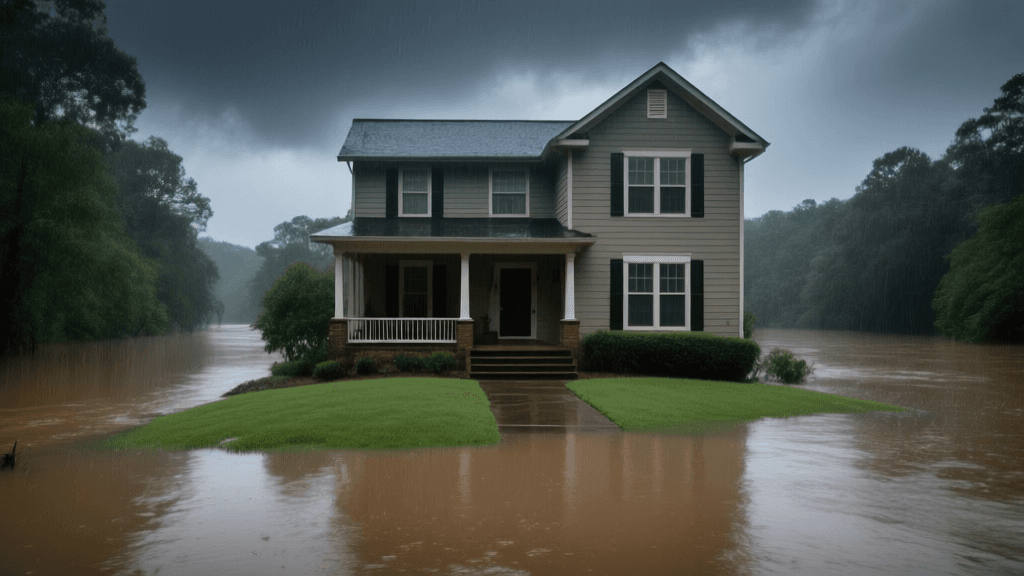
Flood insurance generally addresses qualifying inundation of normally dry land by water affecting multiple properties or areas, though the precise definition depends on the policy. Examples can include overflow from a creek, accumulation of surface water after intense rain, or runoff moving across a property. Homeowners coverage is designed around other property risks, and flood is commonly excluded unless separate flood protection applies. The exclusion can surprise people who assume any water damage is handled under one policy. Read the actual contract, including definitions and exclusions, rather than relying on a general description. Coverage details, eligibility, deductibles, and limits differ among policies and insurers.
Flood Damage Versus Water Backup
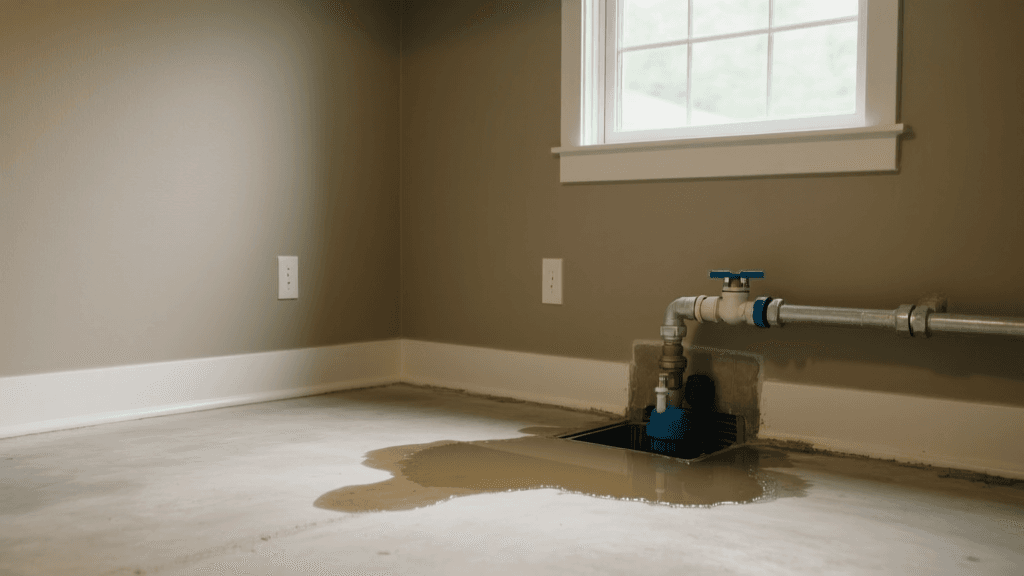
Water backup usually describes water entering a home through a sewer, drain, or sump pump system. A clogged drain that sends water into a basement may fall under a water-backup endorsement, if the policy includes one and the event meets its terms. Flooding, by contrast, involves water inundating land from outside the home. A rainstorm could produce either situation—or both—so the path the water took and the policy wording matter. Backup coverage often has a separate, relatively limited sublimit and may have its own deductible. Ask whether the endorsement covers cleanup, damaged belongings, and building repairs, and do not assume it replaces a flood policy.
How a Water Loss Can Become a Costly Surprise
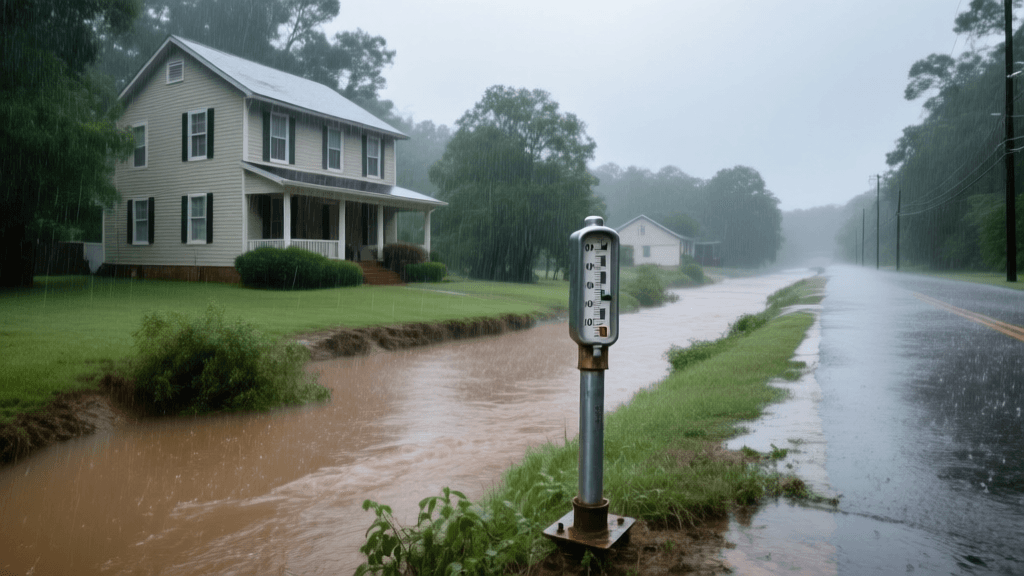
Imagine heavy rain falling on a Woodstock neighborhood. Water runs downhill, pools near a home, and enters through a low doorway. That may be treated differently from a washing-machine hose that suddenly breaks indoors, even if both events damage flooring and furniture. Flood policies may cover the building and contents under separate limits, with specific rules about basements, stored property, and finished materials. Homeowners should check whether limits reflect realistic repair and replacement costs, not just the amount of a mortgage. Photograph belongings, keep an inventory, and save receipts for major items. After a loss, document the water source and damage before cleanup when it is safe to do so.
Practical Steps for Investigating Flood Protection
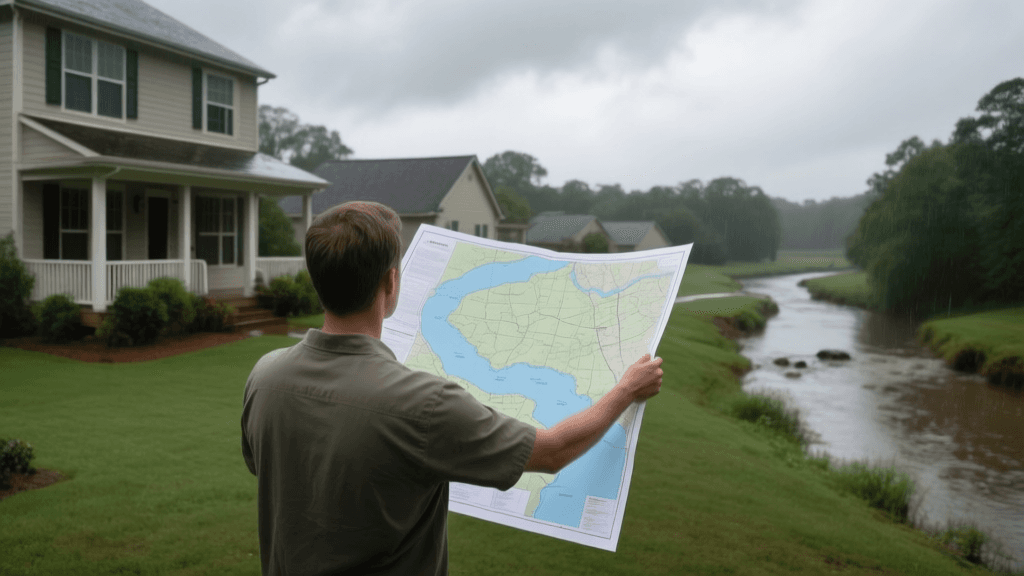
Start by checking the property's address on current flood-risk mapping resources, then ask local officials or qualified professionals about drainage, nearby waterways, and any known history of water intrusion. A map is a useful screening tool, not a guarantee: risk can exist outside mapped high-risk areas, and conditions may change as land is developed or drainage patterns shift. Next, request written details on available flood options, including building and contents limits, deductibles, waiting periods, exclusions, and how basements or detached structures are treated. Also review the homeowners policy for water-backup coverage and its limit. Compare the complete terms rather than choosing on premium alone.
Local Considerations in Woodstock and Nearby Communities
Woodstock's mix of established neighborhoods, newer development, wooded parcels, and varied elevations means two nearby homes can face different drainage conditions. A property near a creek or at the bottom of a slope may collect runoff differently from a home on higher ground. Residents in Canton, Holly Springs, and Ball Ground may also encounter local topography and drainage patterns that make address-level research more useful than broad assumptions about Cherokee County. In Woodstock, note where water flows during ordinary storms, whether gutters discharge near the foundation, and whether yards or streets hold standing water. These observations do not determine insurance eligibility, but they can help guide questions for an insurer or local building professional.
Key Takeaways for Closing the Coverage Gap
What to Review
- Check the homeowners policy's flood exclusion and identify what it says about sudden plumbing leaks, sewer backup, and sump-pump overflow.
- Ask whether a water-backup endorsement is available, what its limit and deductible are, and which cleanup or repair costs qualify.
- Investigate separate flood insurance even when a home is outside a mapped high-risk area; maps do not capture every source of water damage.
- Compare building and contents limits, basement provisions, waiting periods, deductibles, and exclusions in writing before selecting coverage.
- Keep a home inventory and document drainage concerns, maintenance, and prior water incidents for informed conversations and future claims.

Choose Next Steps Before Severe Weather
Do not wait until a storm is forecast to learn whether flood coverage is available or when it takes effect. Some policies have waiting periods, with exceptions and timing governed by their terms, so an early review gives more room to compare. Gather the home's address, approximate construction details, basement information, and any history of water intrusion. Then ask an insurance professional to explain the differences among homeowners coverage, water-backup endorsements, and separate flood policies using realistic loss examples. Confirm answers in the policy documents, since verbal summaries are not a substitute for contract language. A careful comparison can help Woodstock homeowners decide which risks to address and what protection fits their property and budget.
Review Your Home's Water Coverage
Compare flood and water-backup options early so you can understand exclusions, limits, and waiting periods before severe weather arrives.
Get a Free Quote