Why Water Backup Protection Matters in Woodstock
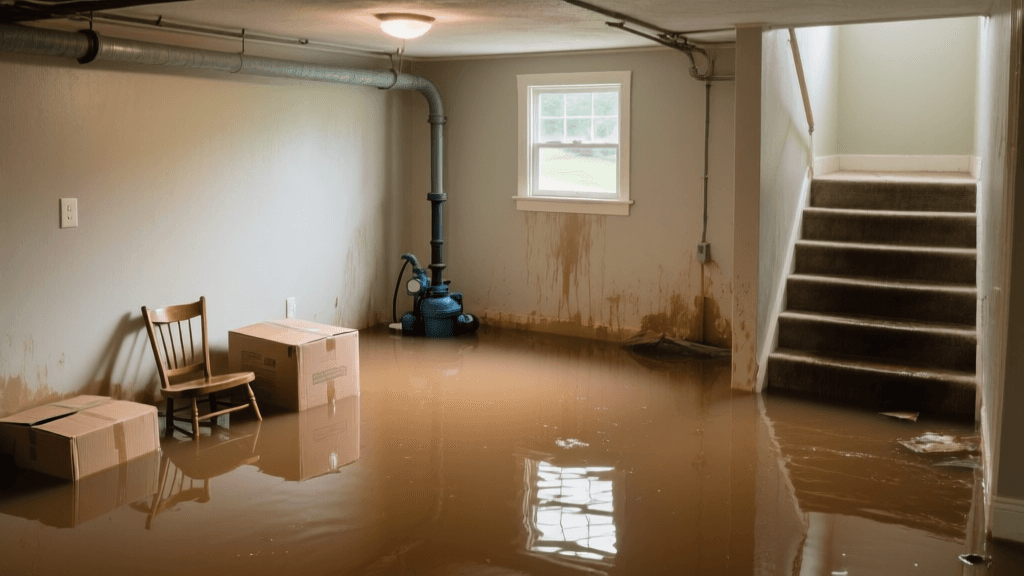
A backed-up drain can turn an ordinary plumbing problem into a costly cleanup, especially when water reaches a finished basement, storage area, or utility room. In Woodstock, homes may have below-grade spaces, laundry areas, floor drains, and sump systems that homeowners should understand before a problem occurs. Standard homeowners insurance does not automatically cover every kind of water damage; the cause of the water and the wording of the policy matter. A water or sewer backup endorsement may provide coverage for specific losses when water or sewage enters through a drain or backs up from a sewer or sump system. This guide explains what to check so Woodstock homeowners can make informed coverage decisions.
What a Water Backup Endorsement Generally Covers
A water backup endorsement is an optional addition to some homeowners policies that may cover direct physical damage when water or sewage backs up through a sewer, drain, or sump pump system. Depending on the contract, covered property may include flooring, drywall, furniture, or belongings damaged by the backup. Coverage is not automatic, and endorsements differ: some apply to building property and personal belongings, while others impose separate limits or restrictions. Cleanup, removal of contaminated materials, and repairs to the failed pipe or pump may be treated differently from damage to the home. Ask for the actual endorsement wording, not just a brief description, and confirm whether the stated limit applies per occurrence or in another way.
Common Sources of Water and Sewer Backup
Backups can begin inside or outside a home. A clogged household drain, tree roots intruding into a sewer line, a municipal sewer obstruction, or a failed sump pump can all contribute, although the policy’s definition and exclusions determine whether the resulting damage is covered. Heavy rainfall can increase pressure on drainage systems, while power interruptions may prevent an electric sump pump from working. In a Woodstock home with a finished lower level, even a small amount of contaminated water can affect carpet, stored items, and mechanical equipment. Keep drains clear, arrange routine plumbing inspections, and consider a battery backup or alarm for a sump pump. Prevention reduces risk but does not replace insurance review.
Water Backup Is Not the Same as Flood Damage
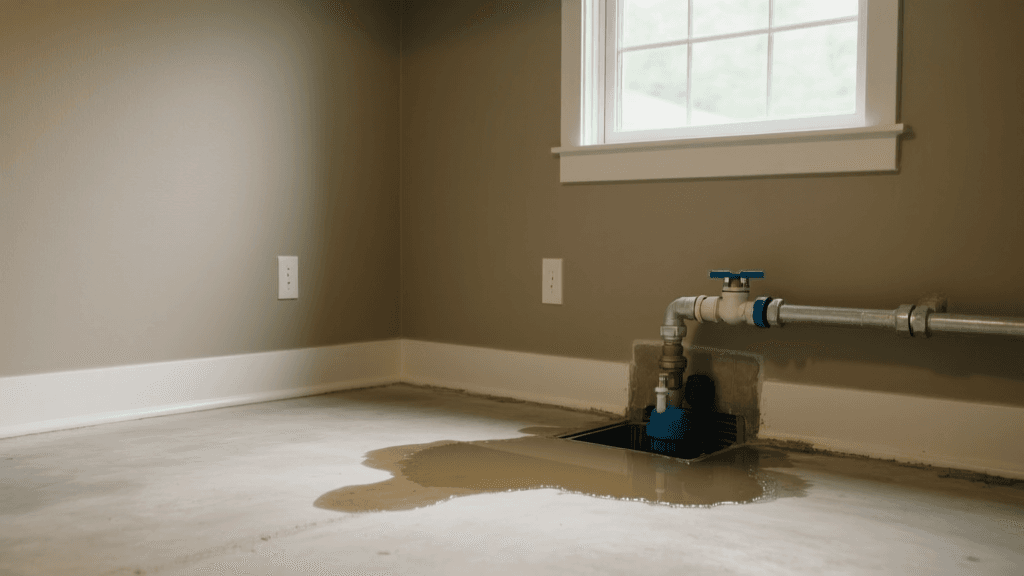
The source and path of water are important when deciding whether a loss may fall under a water backup endorsement or a flood policy. Backup coverage generally concerns water or sewage that enters through a sewer, drain, or sump system, as defined by the endorsement. Flood insurance generally addresses qualifying inundation of normally dry land from flooding, subject to the applicable policy definition and exclusions. A rain-soaked basement could involve either situation, or a different cause altogether; the visible damage alone does not settle the coverage question. For example, water rising through a floor drain may be evaluated differently from surface water entering through a basement window. Document the source if it is safe, report the loss promptly, and let the insurer assess the facts under the relevant policy.
Review Limits, Deductibles, and Exclusions Before a Loss
A backup endorsement may have a limit far below the overall dwelling coverage, so compare that amount with the cost of repairing the home and replacing belongings in vulnerable rooms. Ask whether the deductible is the standard homeowners deductible or a separate amount, and whether building damage and personal property share one limit. Clarify whether the endorsement covers professional cleanup, damaged contents, temporary living expenses, or only certain direct damage. Also ask about exclusions involving maintenance, repeated seepage, mechanical breakdown, wear and tear, or the cost to repair the source of the backup. These details vary by insurer and contract. A written explanation of limits and exclusions is more useful than assuming every water-related loss is handled the same way.
Practical Steps to Reduce Backup Risk
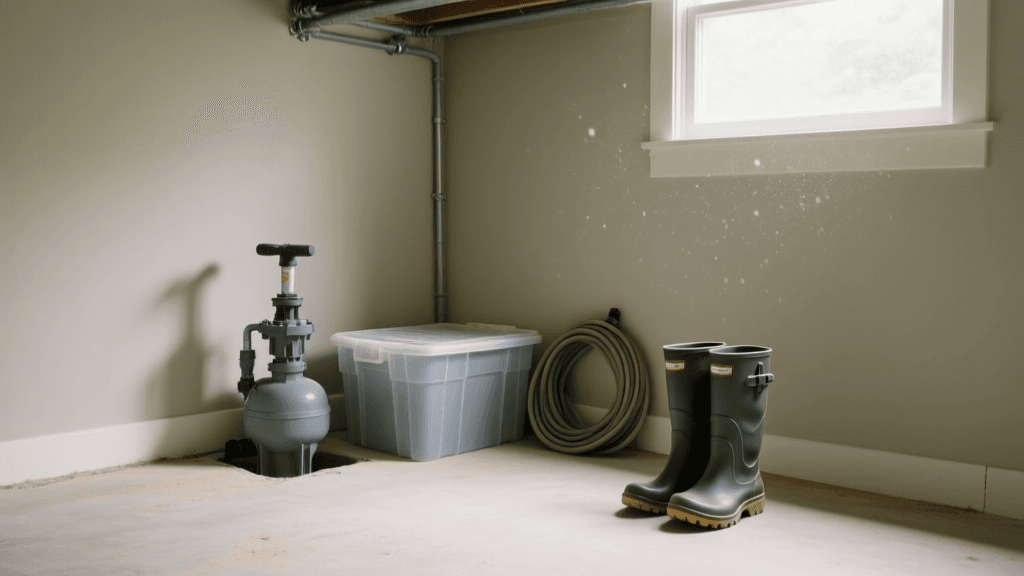
Start by identifying where the main sewer cleanout, floor drains, sump pump, and any backwater valve are located. Have a qualified plumber investigate slow drains, recurring odors, or unusual gurgling rather than repeatedly relying on chemical drain products. Do not flush wipes, grease, or other materials that can obstruct plumbing. If the home has a sump pump, test it according to the manufacturer’s instructions and ask whether a battery backup or high-water alarm is appropriate. Keep valuable belongings and important documents off basement floors, and store them in sealed containers where practical. These measures cannot guarantee that a backup will not happen, but they can reduce preventable problems and make a response faster if water appears.
Local Considerations for Woodstock and Nearby Communities
Woodstock homeowners should consider the specific layout and drainage conditions of their own property rather than assume every neighborhood has the same exposure. Homes with basements, lower-level finished rooms, older plumbing, or sump systems have different concerns from homes without below-grade living space. Rainfall and localized drainage issues can also affect how water moves around a particular lot, but proximity to a creek or a low-lying area does not by itself determine insurance coverage. The same review is useful for homeowners in nearby Canton, Holly Springs, and Acworth, where property features vary from house to house. Check local plumbing and drainage conditions, then compare those risks with the exact wording and limits in the policy.
Questions to Ask When Comparing Coverage
Questions Worth Asking
- What events qualify as water or sewer backup under this specific endorsement, and does it include sump pump overflow?
- What is the limit for building repairs and personal belongings, and is there a separate deductible?
- Are cleanup, debris removal, temporary housing, and repair of the failed pipe or pump covered or excluded?
- Does the policy distinguish backup from surface water, groundwater, or flooding, and would separate flood insurance be relevant?
- Are there maintenance, repeated seepage, or mechanical breakdown exclusions that could affect a claim?

What to Do Next
Read the declarations page and request the complete water backup endorsement so you can verify the limit, deductible, covered property, and exclusions. If the wording is unclear, ask the insurer or a licensed insurance professional to explain how the policy treats the specific risks in your home, such as a basement drain or sump pump. Compare options using the same coverage assumptions; a lower premium may come with a smaller limit or different restrictions. If water has already backed up, prioritize safety, avoid contact with potentially contaminated water, take reasonable steps to prevent further damage when safe, and report the incident promptly. Keep receipts and photographs, but do not discard damaged property until you have followed the insurer’s instructions.
Review Your Home’s Water Backup Risk
Compare endorsement limits and exclusions with the plumbing, basement, and drainage features of your Woodstock home before deciding what protection fits.
Get a Free Quote