Why Water Backup Limits Deserve a Close Look
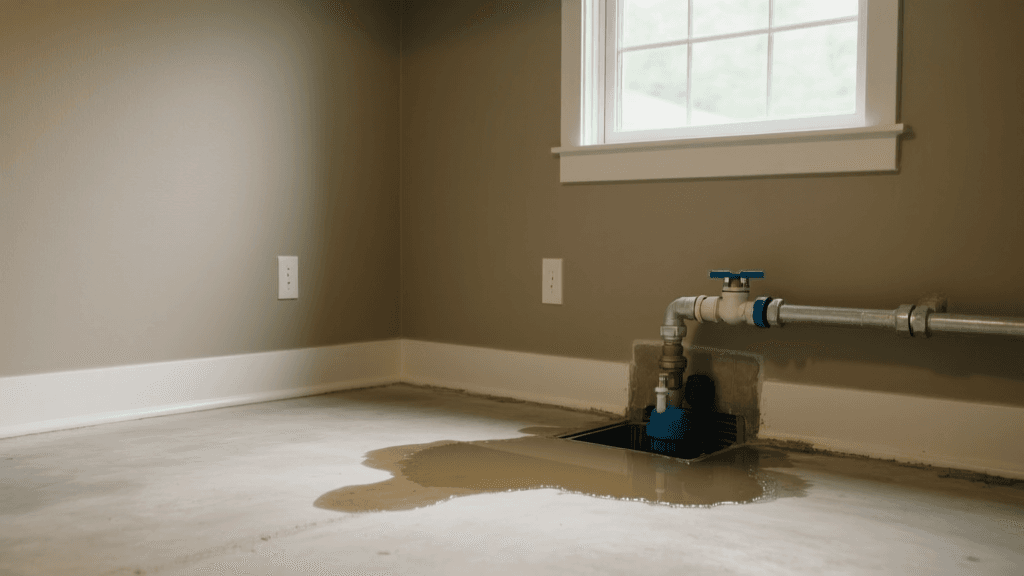
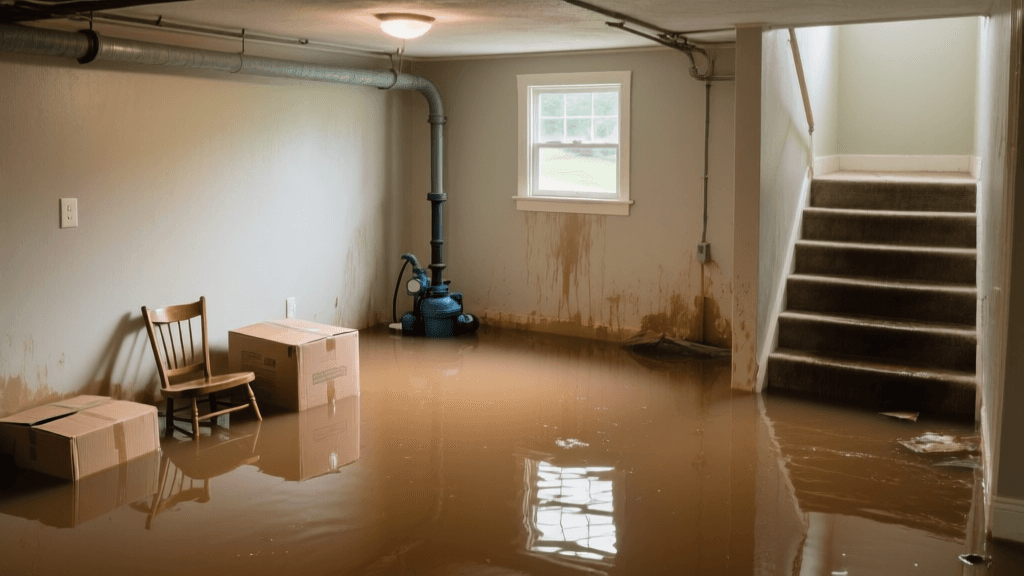
A few inches of backed-up water can damage far more than a basement floor. It may soak carpet and drywall, ruin a washer or furnace, contaminate stored belongings, and require professional cleanup before repairs can begin. For homeowners in Woodstock, Georgia, the right water backup limit depends on what is actually in the home, not just the size of the basement. Reviewing the limit before a loss helps clarify how much protection may be available and what costs could remain out of pocket. This guide walks through the main expense categories, policy details, and practical steps to take when evaluating coverage.
What Water Backup Coverage Usually Addresses
Water backup coverage is generally an optional home insurance endorsement that may help cover certain damage caused by water backing up through a sewer, drain, or sump pump system, subject to the policy's wording and limits. It is different from flood insurance, which addresses qualifying flooding from external sources such as rising water. Standard homeowners policies often exclude or limit backup losses unless an endorsement is added. Coverage may also distinguish between damage to the home's structure and damage to personal property, and may exclude the failed pump or plumbing equipment itself. Ask the insurer to explain the covered cause, deductible, sublimits, and exclusions in writing rather than relying on the endorsement's name alone.
Start With the Basement and Its Contents
Walk through each lower-level room and make a room-by-room inventory. Note whether the basement is unfinished, partly finished, or arranged as a family room, office, guest suite, or workshop. Estimate replacement costs for flooring, baseboards, drywall, cabinetry, furniture, electronics, and appliances; use current local contractor estimates or retailer pricing rather than what an item originally cost. Include belongings stored in closets and utility areas, where boxes, seasonal decorations, tools, and sports equipment can be easy to overlook. Photos and a simple spreadsheet can make the estimate more reliable. A Woodstock homeowner with finished space and a laundry area may face a very different potential loss than a household using the basement only for storage.
Estimate Cleanup and Repair Costs Separately
The visible water is only one part of a backup loss. Depending on the situation, cleanup may involve removing contaminated materials, drying the structure, treating affected surfaces, and disposing of damaged contents. Repairs can then include replacing drywall, flooring, trim, insulation, or built-in cabinets. Obtain a rough estimate for the type of basement work your home would require, and consider how quickly a contractor could access the affected area. Costs vary with materials, room size, the extent of contamination, and the amount of demolition needed, so a single generic estimate is not dependable. When comparing limits, check whether cleanup, debris removal, and repairs all draw from one shared limit or receive separate treatment under the policy.
Check Limits, Deductibles, and Important Exclusions
A policy may set a specific water backup limit that is lower than the dwelling coverage, and the limit may apply per occurrence or be structured in another way. Confirm whether the amount applies to the building, personal property, or both, and whether a special deductible applies. Ask whether the endorsement covers damage from a sump pump failure, a drain blockage, or a sewer backup, since the wording can differ. Also clarify whether the cost to repair or replace the pump, plumbing, or sewer line is excluded even if resulting water damage is covered. The most useful review compares the endorsement language with a realistic basement loss estimate, rather than assuming that a higher overall home limit automatically increases backup protection.
Choose a Limit Based on a Realistic Loss Scenario
A useful estimate combines likely structural repairs, cleanup, and the replacement value of belongings that could be affected. Consider a scenario where water reaches a finished recreation room, a nearby laundry area, and several storage shelves. Add the potential cost of removing damaged materials and restoring the room, then compare that total with the available endorsement limit and deductible. You do not need to predict every detail of a future claim; the goal is to understand the scale of a plausible loss and the amount you could afford to pay yourself. If the available options are shown in tiers, ask for the premium difference between them and weigh that cost against the potential uncovered amount.
Local Considerations for Woodstock Homes
Woodstock homes vary from properties with unfinished lower levels to newer or renovated houses with finished basements and substantial built-in features. Terrain, drainage patterns, the home's plumbing layout, and whether a sump pump is present can all influence the kinds of backup concerns worth discussing with an insurer. Nearby communities such as Holly Springs, Canton, and Acworth also include a mix of home ages and basement designs, so a neighbor's chosen limit may not fit another property. Have the home's actual features reviewed, including basement square footage, plumbing fixtures, and equipment location. For questions about local drainage or sewer systems, consult the relevant municipal or utility authority; an insurance endorsement does not replace maintenance or municipal guidance.
A Practical Limit-Review Checklist
- List basement rooms, appliances, built-ins, furniture, and stored belongings, then estimate current replacement costs.
- Request a realistic cleanup and repair estimate that accounts for flooring, drywall, removal, drying, and disposal.
- Ask the insurer which backup events are covered and whether building damage and personal property share a limit.
- Confirm the deductible, any sublimits, and whether pump or plumbing equipment repairs are excluded.
- Compare available limit options and premiums against the portion of a plausible loss you could pay yourself.

What to Do Before Selecting or Changing a Limit
Gather your declarations page, the water backup endorsement, recent basement photos, and your inventory before discussing options. Ask for a plain-language explanation of what triggers coverage, what is excluded, how the deductible works, and whether one limit applies to all covered damage. If the basement has recently been remodeled or its use has changed, update the insurer so the coverage review reflects the current home. Keep receipts and maintenance records for relevant equipment, but do not assume maintenance alone guarantees a claim will be covered. Comparing policy language and costs side by side can reveal meaningful differences. The right selection is the limit that fits the home's exposure, the policy terms, and the household's ability to absorb an uncovered loss.
Review Your Water Backup Protection
Compare your basement inventory and likely repair costs with the endorsement limit, deductible, and exclusions before choosing coverage.
Get a Free Quote