Why Water Backup Preparation Matters in Woodstock
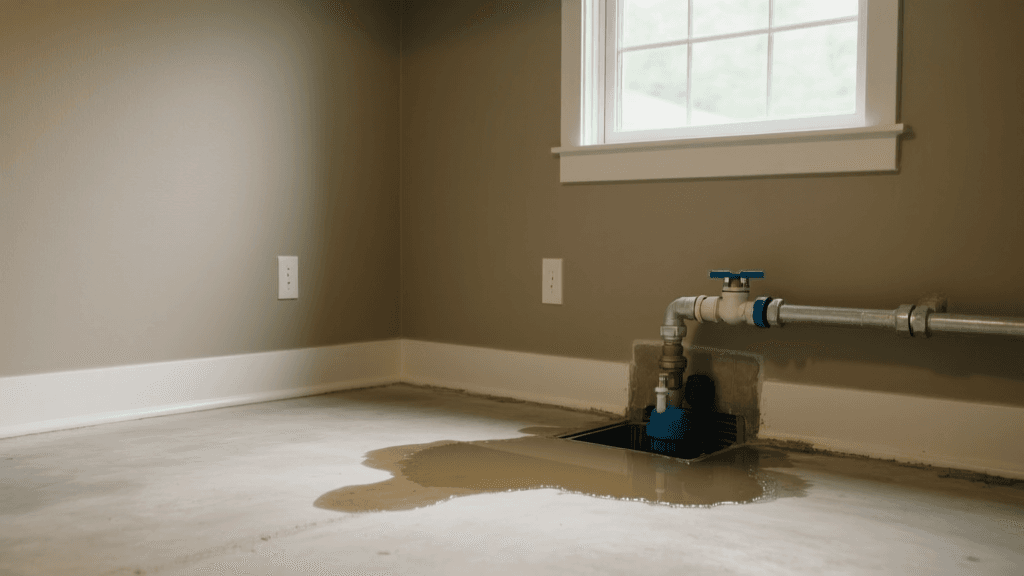
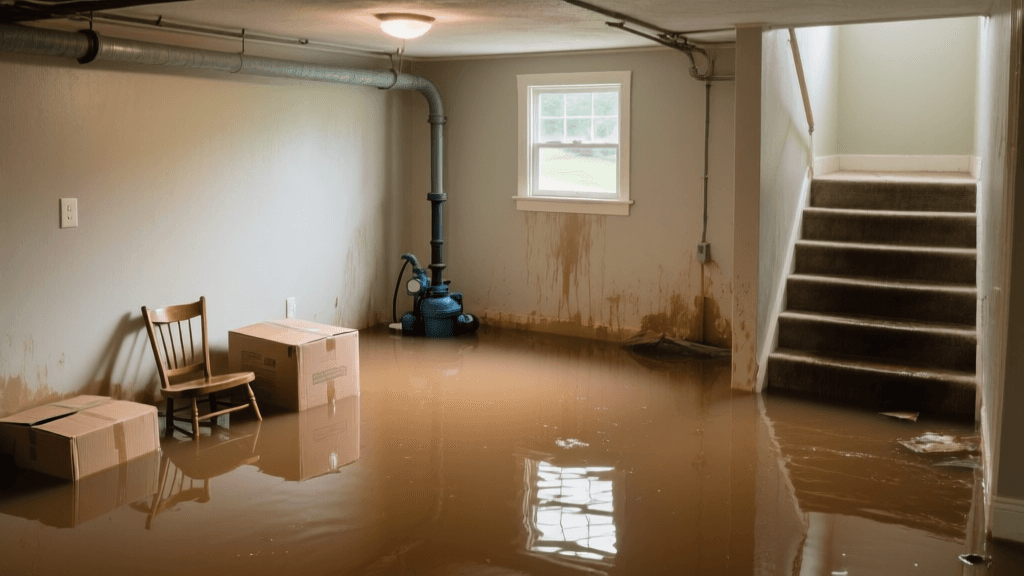
A drain that suddenly pushes water into a basement or lower-level bathroom can damage flooring, stored belongings, and mechanical equipment within minutes. In Woodstock, heavy rain can put pressure on drainage systems, while a blocked household line or failed sump pump can cause trouble even when the weather seems ordinary. Water backup is different from a roof leak or a burst supply pipe, and insurance treatment may differ too. A little maintenance and a clear response plan can limit damage and make it easier to explain what happened. This guide covers prevention, useful records, and careful first steps if water appears.
Understand How Backups Happen
Water backup generally means water or sewage enters a home through a drain, sewer, or sump system rather than flowing from a broken supply pipe. A clog in a private drain, a problem in a shared sewer line, or a sump pump that cannot keep up may all contribute. North Georgia downpours can saturate soil and increase runoff, and debris or tree roots may complicate drainage around older lines. The source matters: a sudden pipe rupture, surface flooding, and sewer backup can be treated differently under a homeowners policy. When the cause is unclear, avoid guessing. Record what you observe and ask a qualified plumber to identify the likely source.
Keep Drains and Plumbing Clear
Routine habits can reduce avoidable blockages. Keep grease, wipes, paper towels, hygiene products, and food scraps out of toilets and drains, even when packaging describes an item as flushable. Use strainers in showers and sinks, and clean them before hair and debris build up. Pay attention to slow drains, gurgling sounds, or recurring odors; these can be early clues that a line needs attention rather than problems to mask with repeated chemical treatments. If several fixtures drain slowly at once, contact a licensed plumbing professional to assess the system. Woodstock homeowners with mature trees should ask about appropriate sewer-line inspection intervals, since roots can enter small cracks and gradually restrict flow.
Test and Maintain Your Sump Pump
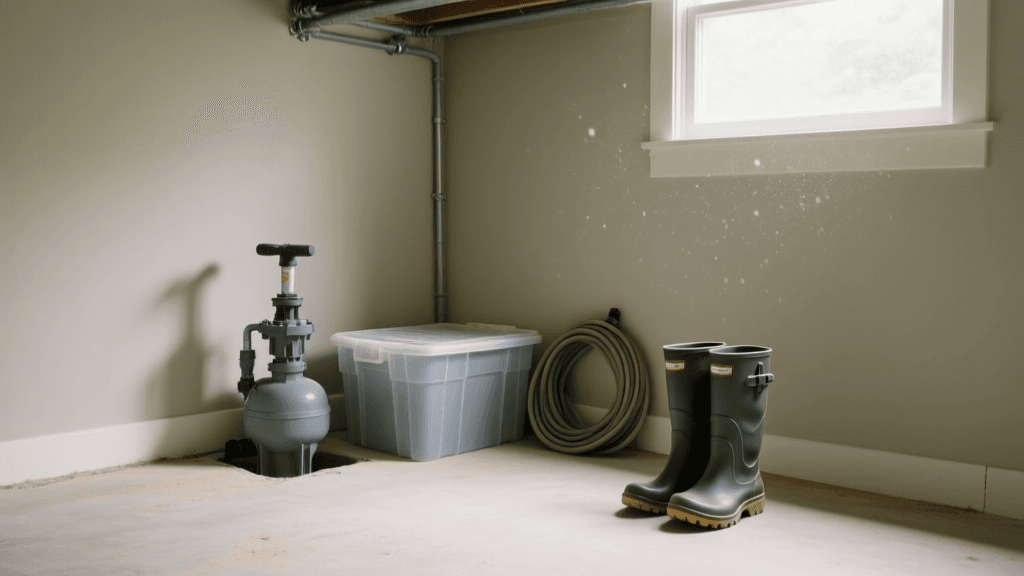
If your home has a sump pump, test it periodically and before seasons when prolonged rain is more likely. Check that the pit is free of debris, the float moves without obstruction, and the discharge pipe carries water away from the foundation rather than back toward it. Follow the manufacturer’s instructions, and have a professional investigate unusual noise, frequent cycling, or a pump that runs without lowering the water level. A battery backup or other secondary power option may help during an outage, but it also needs inspection and testing. Keep receipts for service and replacement parts. These records can show that the system was maintained and help you explain its condition if a loss occurs.
Build a Useful Home Documentation File
A simple home inventory is more useful when it is created before a loss. Photograph finished basement areas, stored valuables, appliances, and the visible condition of drains and sump equipment. Save purchase receipts, service invoices, and product information in a secure digital location, and update the file after major renovations or purchases. A short video that pans through each room can add context to still photos. Keep a copy accessible even if the home loses power or access becomes unsafe. Documentation does not determine coverage by itself, but it can help establish what was present, how the home was maintained, and what changed after water entered.
Respond Safely When Water Backs Up
If water or sewage enters the home, keep people and pets away from affected areas, especially where electrical outlets, appliances, or wiring may be wet. Do not enter standing water to reach a breaker or operate equipment; call emergency services or a qualified professional if there is an immediate hazard. Once it is safe, stop using affected fixtures and contact a plumber or appropriate cleanup professional to identify the source and limit further damage. Take photographs and video before moving items when practical, then keep damaged belongings and receipts organized. Notify the insurer promptly using the contact and reporting instructions in the policy. Avoid discarding materials until the insurer or restoration professional has advised what documentation is needed.
Check Your Policy Before You Need It
Do not assume that every kind of water damage is covered in the same way. Some homeowners policies may offer water-backup protection as an endorsement or optional coverage, with its own limit, deductible, exclusions, and conditions. Coverage for sewer or drain backup may be distinct from coverage for floodwater entering from outside, and gradual seepage or maintenance-related damage may be treated differently from a sudden event. Read the declarations page and policy wording, then ask the insurer to explain unclear terms in writing. Confirm whether the limit applies to cleanup, damaged contents, or both, and whether special conditions apply to sump systems. A policy review ahead of storm season gives you time to consider options rather than interpret unfamiliar language during an emergency.
Local Considerations for Woodstock and Nearby Communities
Woodstock’s mix of established neighborhoods, newer homes, sloped lots, and wooded properties means drainage conditions can vary from one street to another. Runoff from a neighboring slope, leaves near exterior drains, or roots near a buried line may create different concerns than a basement sump system. Homeowners in nearby Canton, Holly Springs, Acworth, and Kennesaw can also encounter property-specific drainage challenges; a city name alone cannot predict a home’s exposure. Check that downspouts discharge away from the foundation, keep exterior drains clear, and note where water collects after a storm. If recurring drainage issues appear, ask a local licensed professional to inspect the property and explain practical fixes suited to its grading and plumbing.
Key Takeaways for Prevention and Claim Readiness
A Practical Readiness Checklist
- Keep grease, wipes, and debris out of drains, and arrange an inspection when multiple fixtures slow down or gurgle.
- Test the sump pump, clear its pit, confirm the discharge route, and maintain any backup power system according to the manufacturer’s guidance.
- Photograph rooms and belongings, save service records and receipts, and store copies somewhere accessible away from the home.
- Review water-backup limits, deductibles, exclusions, and optional endorsements with the insurer before a loss occurs.
- If backup happens, protect people first, document damage when safe, contact qualified help, and report the incident promptly.

Choose Your Next Steps
Start with a brief walk-through of lower-level rooms, utility areas, floor drains, and the outside drainage around your Woodstock home. Make a note of slow fixtures, standing water, pump alarms, or discharge pipes that send water back toward the foundation, then schedule professional attention for anything concerning. Next, gather your policy declarations and ask the insurer specific questions about water backup, covered property, limits, deductibles, and claim reporting requirements. If damage occurs, preserve records and follow safety guidance instead of assuming the source or coverage outcome. A maintenance plan, a current home inventory, and a clear understanding of policy language can make a stressful event more manageable without promising that every loss will be covered.
Review Your Home’s Water Backup Readiness
Check your plumbing maintenance records and policy details now so you know what questions to ask before a backup occurs.
Get a Free Quote