Why Waiting Periods Matter in Woodstock
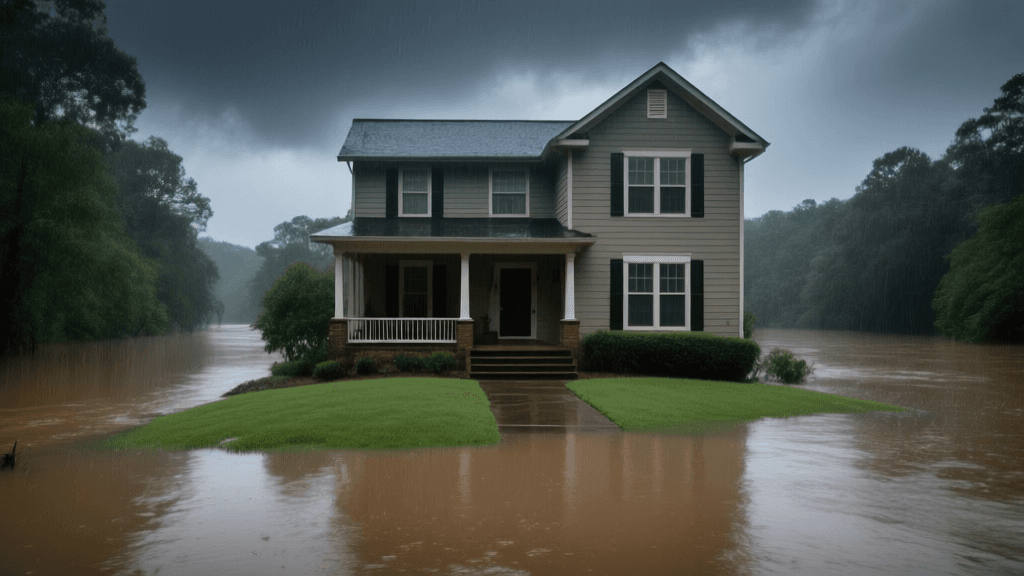
Flood insurance is easiest to overlook when the sky is clear, but that is precisely when homeowners have time to make a considered decision. In Woodstock, heavy rain can affect drainage areas, creeks, road crossings, and low-lying parts of a property, even when a home is outside a mapped high-risk zone. Many flood policies do not take effect the moment an application is submitted. A waiting period can leave a gap between purchase and protection, so a last-minute decision may not help with damage from an approaching storm. This guide explains typical timing, possible exceptions, and practical ways to plan ahead.
What a Flood Insurance Waiting Period Means
A waiting period is the time between a policy purchase or application and the date flood coverage becomes effective. For many National Flood Insurance Program policies, the standard waiting period is 30 days, though particular circumstances and other policy arrangements can change the timing. Private flood policies may have different rules, including different waiting periods or underwriting requirements. The effective date shown in policy documents matters more than an estimate given during an early conversation. Before buying, ask when coverage begins, how the date is calculated, whether payment or documentation must be completed first, and what event definitions apply. Do not assume a homeowners policy fills the gap.
Why Policies Do Not Usually Start Instantly
Waiting periods help prevent people from purchasing coverage only after a flood becomes likely or imminent. Flood losses can develop rapidly, and an insurer needs clear rules for when protection begins. That means a weather alert, forecast rainfall, or rising creek level is not a dependable moment to begin shopping for coverage. A Woodstock homeowner who applies after a severe-weather watch is issued may still face a waiting period, depending on the program and policy. Underwriting may also require property details, elevation information, or other documentation. Starting early gives time to compare terms, answer questions accurately, and make sure the selected policy matches the home and the risks the owner wants to address.
Exceptions and Different Policy Rules
Waiting-period exceptions may be available in specific situations, but they should never be assumed. Under the National Flood Insurance Program, certain circumstances connected with a mortgage, a newly mapped flood hazard area, or a qualifying change in coverage may affect the usual waiting period. Exact eligibility depends on program rules and the facts of the transaction. Private insurers set their own policy terms and may have distinct effective-date requirements, exclusions, or underwriting conditions. When comparing options, ask the insurer to explain the rule that applies to the exact policy being offered and to confirm the effective date in writing. A general statement that an exception might exist is not confirmation that a particular household qualifies.
Check the Home, Not Just the Flood Map
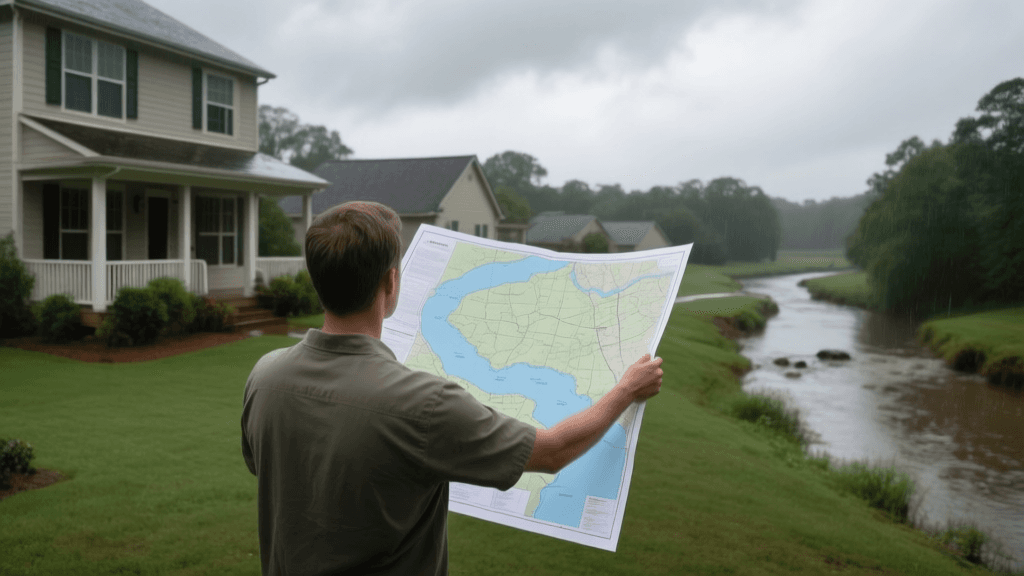
Flood maps are useful screening tools, but they are not a guarantee that a property will or will not flood. In Woodstock, localized downpours can overwhelm drainage, send runoff across yards, or affect homes near waterways and low spots. Walk the property after ordinary rain and note where water collects, how quickly it drains, and whether exterior doors, basement areas, crawl spaces, or utility equipment sit below surrounding grade. Ask about past water intrusion and review any available elevation or drainage information. A map designation may affect lender requirements or pricing, but the decision to consider coverage should also reflect the building, belongings, potential cleanup costs, and the household’s ability to absorb a loss.
What to Ask Before Choosing a Policy
Compare the policy’s start date and coverage details rather than focusing only on the quoted premium. Ask whether the policy covers the building, personal property, or both; what deductibles apply; how basements, crawl spaces, and stored items are treated; and whether limits are sufficient for the home. Clarify the definition of flood used by the policy, any exclusions, and the steps required to submit a claim. If the home has a mortgage, check the lender’s requirements, but remember that satisfying a lender does not automatically mean the coverage is adequate for the owner’s needs. Keep the quote, application answers, payment confirmation, and final declarations together so the effective date and selected limits are easy to verify.
Planning Around Woodstock’s Weather and Nearby Areas
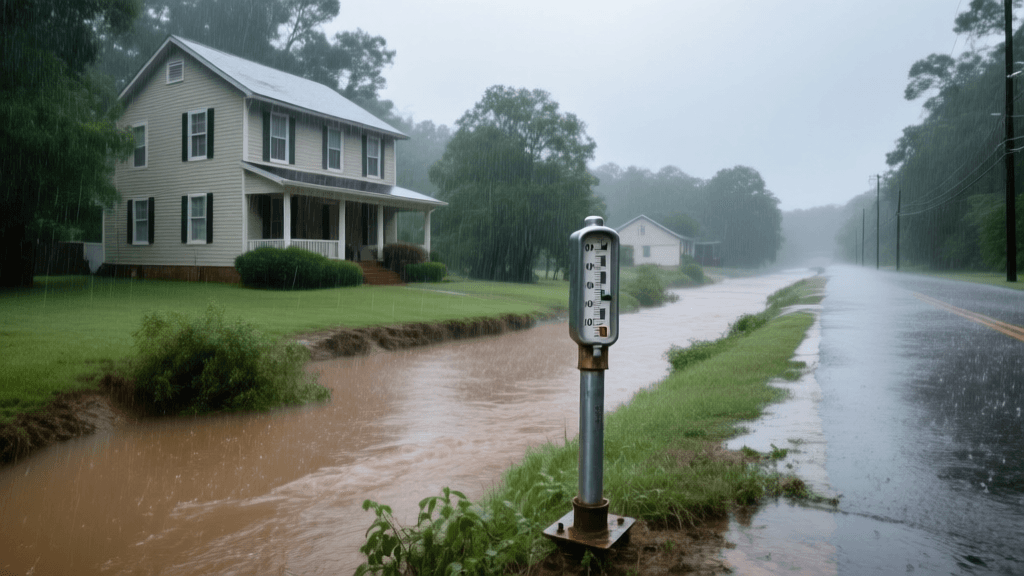
Homeowners in Woodstock and nearby communities such as Canton, Holly Springs, and Ball Ground can experience different property conditions even during the same storm. A home beside a creek, a house on a sloped lot, and a property served by a neighborhood drainage system may face different water pathways. Heavy rainfall can also affect travel and access, making advance preparation more useful than a decision made during an active weather event. Review coverage well before periods when severe thunderstorms or tropical systems may bring prolonged rain to North Georgia. If a household owns property in Kennesaw, Acworth, or Marietta as well, assess each location separately; one home’s map status and drainage conditions should not be used as a substitute for another’s.
Practical Planning Checklist
- Request the policy’s written effective date and confirm whether a waiting period applies before paying or relying on the quote.
- Compare National Flood Insurance Program and private-policy terms, including limits, deductibles, exclusions, and treatment of contents.
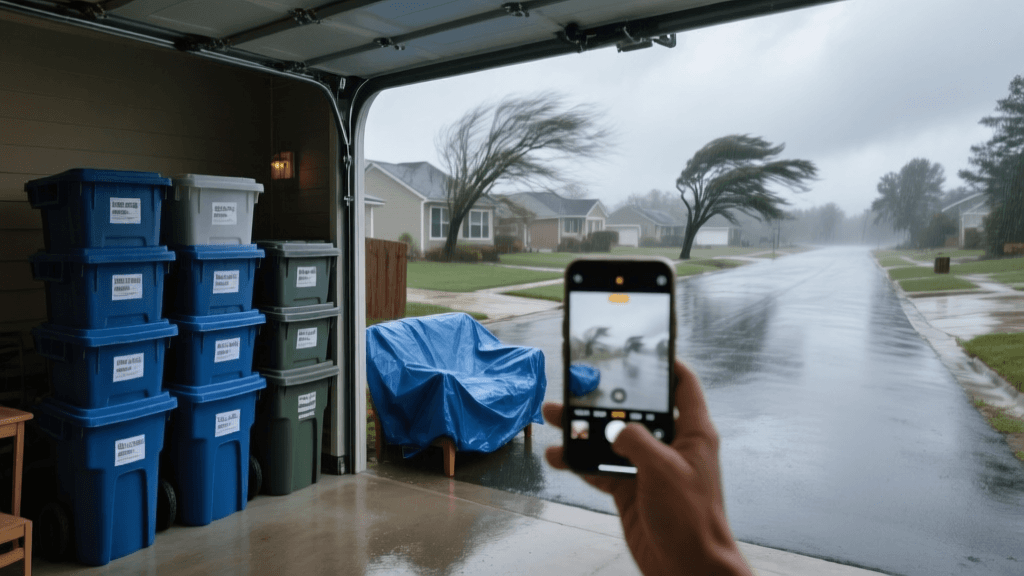
- Document the home’s drainage patterns, previous water problems, and vulnerable equipment or storage areas before severe weather.
- Keep policy documents and insurer contact details accessible, and review coverage after renovations, mortgage changes, or property improvements.

Next Steps: Make the Effective Date Clear
If flood coverage is under consideration, begin by gathering the property address, mortgage information, details about prior water damage, and any available elevation or flood-zone records. Request quotes early enough to compare them without pressure, and ask each provider to state the waiting period, effective date, coverage limits, exclusions, and documentation needed to bind the policy. A licensed insurance professional or program representative can explain how the rules apply to a specific home, but the final policy documents should be checked before assuming protection is active. Planning now gives Woodstock homeowners time to make informed choices before severe weather threatens and reduces the chance of discovering a timing gap when filing a claim.
Review Flood Coverage Before the Next Storm
Compare policy terms and confirm the effective date well before severe weather is in the forecast.
Get a Free Quote