Why Detached Structures Deserve a Coverage Check
A homeowners policy can protect more than the main dwelling, but a fence, storage shed, gazebo, or detached garage may be insured under a separate category commonly called other structures coverage. For Woodstock homeowners, that distinction matters when a storm damages a fence or a fallen tree hits a backyard workshop. The policy’s limit, deductible, covered causes of loss, and exclusions all affect what a claim may pay. Do not assume every improvement is automatically covered for its full replacement cost. Reviewing the declarations page and policy wording can help identify limits before a loss, while a current inventory makes it easier to explain what stood on the property.
What Counts as an Other Structure?
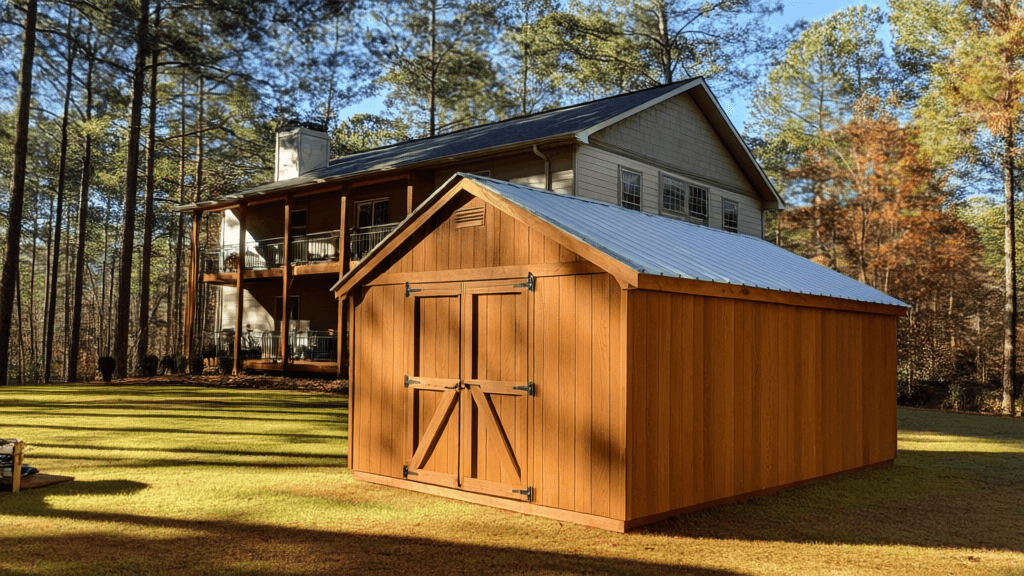
An other structure is generally a building or feature on the residence premises that is separated from the home by clear space, or connected only by a fence, utility line, or similar connection. Common examples include detached garages, sheds, gazebos, fences, and some retaining walls. A structure attached to the house may instead be treated as part of the dwelling, depending on how it is built and how the policy defines it. That distinction can be less obvious with covered walkways, attached carports, or additions connected to the home. Ask the insurer or licensed insurance professional how a specific feature is classified rather than relying on its everyday name.
How Limits and Valuation Affect a Claim
Many homeowners policies set the other structures limit as a percentage of the dwelling coverage, but the percentage and available options vary by policy. A modest default limit may be insufficient if a property has a large detached garage, several outbuildings, or extensive fencing. Also check whether settlement is based on replacement cost or actual cash value. Actual cash value generally accounts for depreciation, so an older shed could receive less than the cost of building a comparable new one. Replacement cost coverage may have its own requirements, such as completing repairs within a stated period. Compare the limit with realistic rebuilding costs, including labor, materials, permits, and site preparation.
Construction, Maintenance, and Use Can Matter
Coverage can depend on more than a structure’s size. Construction materials, age, condition, anchoring, and intended use may affect eligibility, settlement, or underwriting. A professionally built detached garage used for household storage is not necessarily treated the same as a converted workshop, business space, or rental unit. A shed with electrical wiring or plumbing may have added exposure that should be disclosed accurately. Policies also commonly exclude or limit certain causes of loss, and damage from wear, rot, neglected maintenance, or gradual deterioration is often treated differently from sudden accidental damage. Describe how each structure is used and ask whether that use changes the policy terms.
Fences, Sheds, Gazebos, and Garages: Questions to Ask
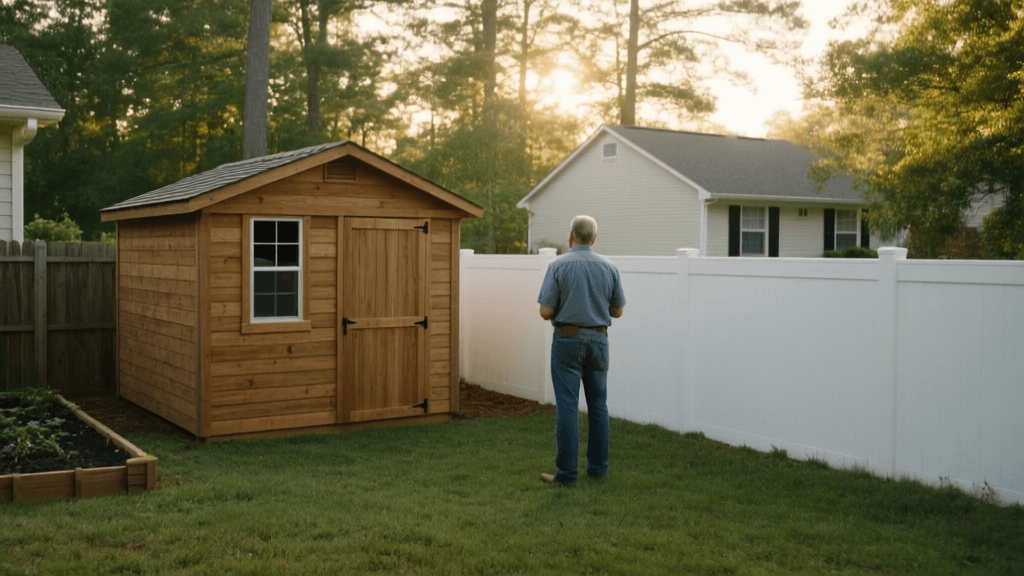
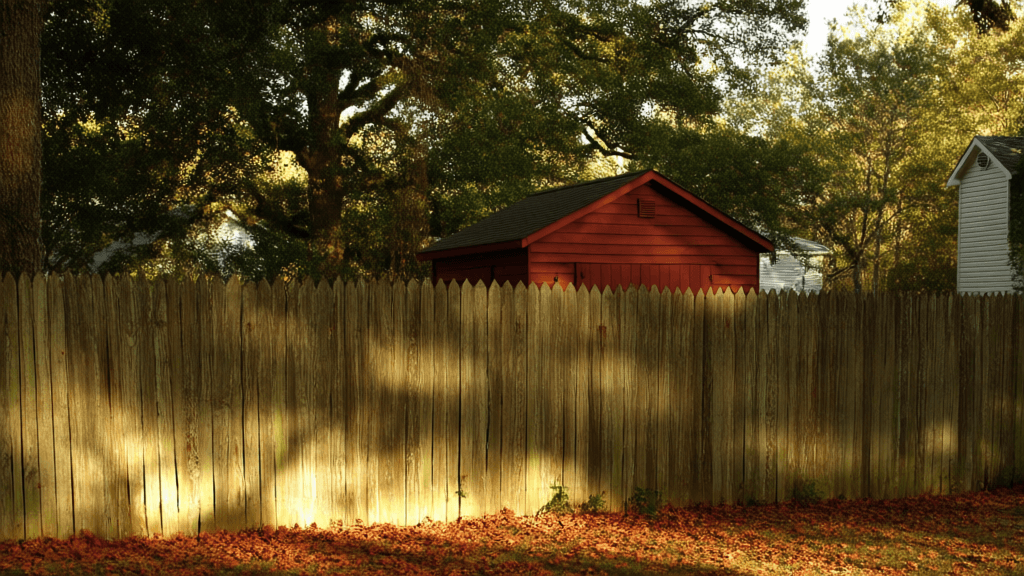
Different structures raise different practical questions. For a fence, check whether the policy covers wind or fallen-tree damage and whether special limits apply. For a shed or gazebo, confirm that its materials and use are accurately described, especially if it stores costly tools or equipment. For a detached garage, consider whether the limit reflects the cost to rebuild the structure and whether contents are covered separately. Personal property kept inside may be subject to its own coverage rules and limits rather than the building limit. If a structure includes a home office, business inventory, or equipment used to earn income, disclose that use and ask what coverage is needed.
Documenting Structures Before a Loss
Good records make it easier to confirm what was on the property and describe its condition if damage occurs. Photograph each structure from several angles, including the roof, foundation, doors, and interior where practical. Save receipts, contractor estimates, permits, plans, and records of major repairs or upgrades. Note approximate dimensions, construction materials, installation dates, and any electrical or plumbing work. Store copies somewhere separate from the home, such as secure cloud storage. For a Woodstock property with mature trees, also photograph nearby tree conditions and the space around outbuildings; those images can help establish the setting, though they do not determine whether a claim is covered.
Local Considerations for Woodstock Homeowners
Woodstock properties range from compact suburban lots to homes with larger yards, detached workshops, and extensive fencing. Mature trees and changing weather can make regular maintenance especially useful: clear leaves from shed roofs and gutters, check that gates and fence posts remain stable, and address visible rot or loose shingles. After a severe storm, take reasonable steps to prevent additional damage when it is safe, then photograph the scene before making permanent repairs. Homeowners in nearby Canton, Holly Springs, and Ball Ground may have different property layouts, but the same policy-review questions apply. Local building requirements and permits can affect rebuilding plans, so keep relevant paperwork with the structure’s records.
A Practical Review Checklist
- List every detached structure, including fences, sheds, gazebos, workshops, and garages, and describe its size, materials, age, and use.
- Compare the other structures limit with current local rebuilding estimates rather than assuming the default percentage is sufficient.
- Confirm how the policy settles a covered loss, including depreciation, deductibles, special limits, and repair deadlines.
- Ask whether business use, rental activity, valuable equipment, or utilities inside a structure require separate or additional coverage.
- Keep dated photos, receipts, permits, and repair records in secure storage away from the insured property.

Next Steps for Reviewing Your Coverage
Start with the declarations page to find the other structures limit, then read the policy provisions that define covered property, causes of loss, exclusions, and claim settlement. Make an inventory of each structure and gather photos, dimensions, and improvement records. If the limit seems low or the policy classification is unclear, request a review with a licensed insurance professional and provide accurate details about construction and use. Ask for any proposed change and its cost in writing, and compare the protection as well as the premium. A clear review now can help Woodstock homeowners understand what protection may apply before a storm, fire, or other covered event affects property beyond the house.
Review the Structures on Your Property
Gather your policy details and structure records to compare limits, exclusions, and coverage options.
Get a Free Quote