What Other Structures Coverage Means
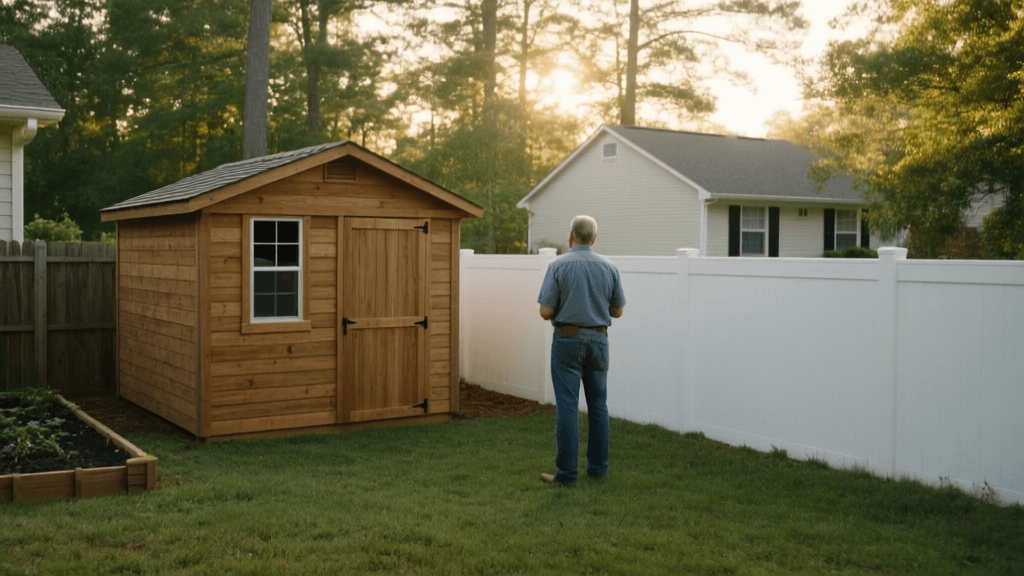
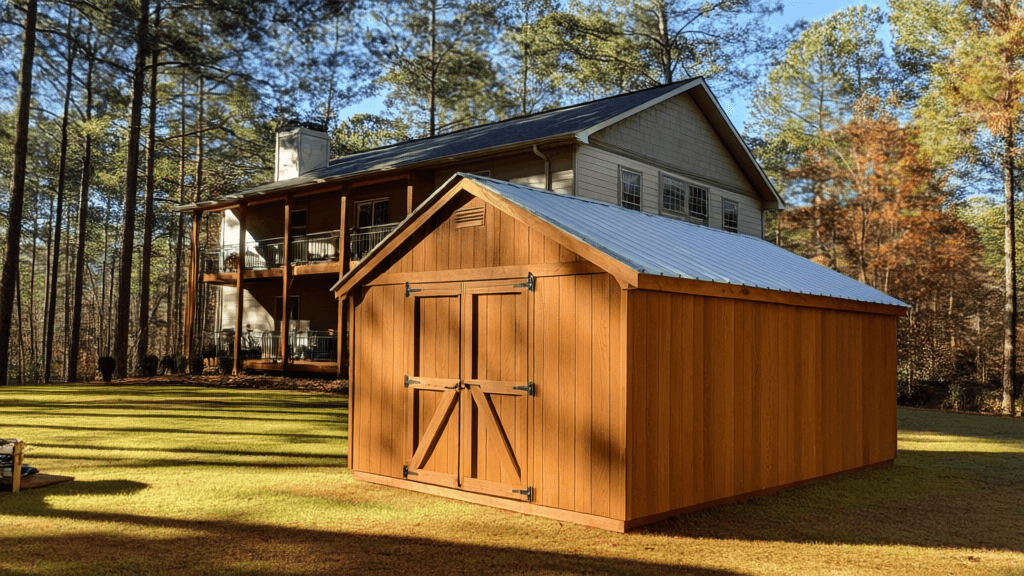
A detached garage, storage shed, fence, or gazebo can represent a substantial investment, but it is not part of the main dwelling just because it sits on the same lot. Homeowners policies commonly provide a separate category called other structures coverage, sometimes labeled Coverage B. It may pay for covered physical damage to structures that are separate from the house, subject to the policy’s terms, deductible, and limit. For Woodstock homeowners, that distinction matters when a storm damages a backyard workshop or a fallen tree crushes a detached garage. The policy wording—not the structure’s name—determines whether it qualifies and how much protection applies.
Why the Separate Limit Matters in Woodstock
Other structures coverage is often set as a percentage of the home’s insured dwelling limit, but the percentage and available options vary by insurer and policy. A percentage-based limit may sound generous until you consider the cost of rebuilding a large detached garage, replacing a long privacy fence, or restoring a finished outbuilding. Construction prices, materials, site access, and local labor can affect estimates in Woodstock and nearby Cherokee County communities. The coverage limit is not automatically equal to the value of every detached improvement combined. Review the declarations page and ask how the limit was calculated, especially after adding a structure or making significant upgrades.
Which Detached Structures May Qualify?
Typical examples include a detached garage, tool shed, pool house, gazebo, fence, or standalone workshop. A structure connected to the house by only a fence, utility line, or similar connection may still be treated as separate, but policy definitions can differ. A structure used for business or rented to someone may receive different treatment from one used for personal storage. For example, a Woodstock homeowner who keeps lawn equipment in a shed may have a different coverage question from a homeowner who uses an outbuilding as a paid repair shop. Make a list of structures, their approximate dimensions, construction materials, and uses, then confirm how each is classified with the insurer.
Covered Damage Is Not the Same as Every Kind of Damage
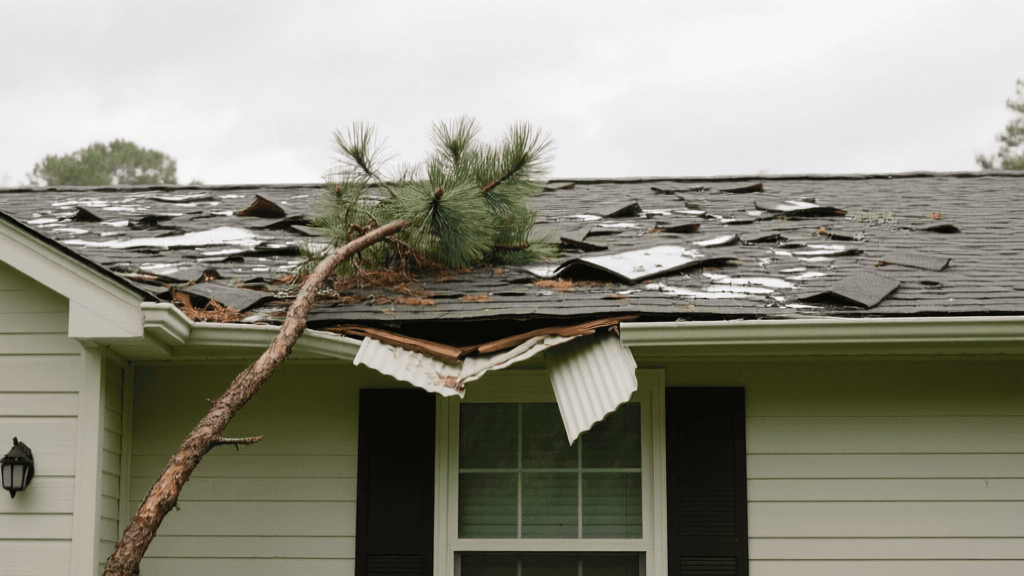
Other structures coverage generally applies only when damage results from a cause of loss covered by the policy. Wind or a falling tree may be covered under applicable terms, while gradual deterioration, rot, rust, or lack of maintenance is commonly excluded. Flood and earthquake damage may require separate coverage or endorsements, depending on the policy. A fence that leans after years of decay is different from one damaged suddenly by a covered event; insurers review the cause, evidence, and policy language. Keep maintenance records and take clear photographs of detached property before trouble occurs. After a loss, document the damage promptly, protect the site from further harm when safe, and save receipts for reasonable temporary repairs.
How Limits, Deductibles, and Valuation Affect a Claim
The amount paid for a covered loss can depend on the remaining other structures limit, the deductible, and whether the policy settles damage using replacement cost or actual cash value. Actual cash value generally accounts for depreciation, while replacement cost may pay to repair or rebuild with comparable materials under the policy’s conditions. These terms and settlement rules vary, so do not assume a structure will be rebuilt at today’s full price. If a detached garage and fence are damaged in the same event, both losses may count toward a shared limit. Keep invoices, measurements, and photos for improvements, and ask whether the deductible applies per occurrence or in another way under the contract.
Woodstock Conditions to Consider
Woodstock homes may have sloped yards, mature trees, wooded edges, and outbuildings used for lawn equipment or hobbies. Those features make it useful to consider both the structure and its exposure: a shed beneath overhanging limbs, for instance, may face different maintenance concerns from a garage on a clear, level pad. Across Woodstock, Canton, Holly Springs, and nearby communities, property layouts and construction types vary from compact suburban lots to larger parcels. Local weather can bring heavy rain and strong storms, but coverage depends on the policy’s covered causes and exclusions, not simply on where damage occurred. Check whether detached structures are correctly described and whether your limit reflects their rebuilding cost.
A Practical Review Checklist
Details to Confirm
- List every detached structure, including garages, sheds, fences, pool houses, workshops, and gazebos, and note each structure’s size, materials, age, and use.
- Compare the combined replacement cost of those structures with the other structures limit shown in the policy documents, and ask about options if the limit appears inadequate.
- Confirm whether a structure used for a business, rental, or storage of specialized equipment has restrictions, exclusions, or a need for additional coverage.
- Ask how the policy treats replacement cost, depreciation, deductibles, debris removal, and damage involving trees, wind, water, or flooding.
- Photograph structures and improvements, keep receipts and contractor estimates, and update the insurer after building a new outbuilding or making major changes.

Next Steps for Woodstock Homeowners
Start with the declarations page and the policy definition of other structures, then compare the stated limit with a realistic estimate to rebuild each detached improvement. If a structure is unusually large, finished, used for business, rented, or especially valuable, ask the insurer how that use affects eligibility and whether a higher limit or separate policy is appropriate. Request clarification in writing when an answer depends on a specific exclusion or endorsement. Homeowners in Woodstock and surrounding areas such as Kennesaw, Acworth, and Roswell can use the same review process, while recognizing that policy forms and property details differ. A careful comparison before a loss is more useful than discovering a limit gap during repairs.
Review Your Detached Property Coverage
Compare your policy limit with the structures on your property and ask an insurance professional about any gaps or exclusions.
Get a Free Quote