Why Review Other Structures Coverage in Woodstock?
A detached garage, backyard shed, fence, or gazebo can represent a substantial rebuilding expense, even though it is not part of the main house. Other structures coverage, sometimes called Coverage B on a homeowners policy, generally applies to qualifying structures that are separated from the dwelling, subject to the policy’s definitions, limits, exclusions, and deductible. Woodstock homeowners should review this protection after adding a structure, replacing an older one, or making major upgrades. A limit selected years ago may no longer reflect current labor and material costs. This guide explains how to take stock of detached property and identify useful questions before discussing a policy with an insurance professional.
What Counts as an Other Structure?
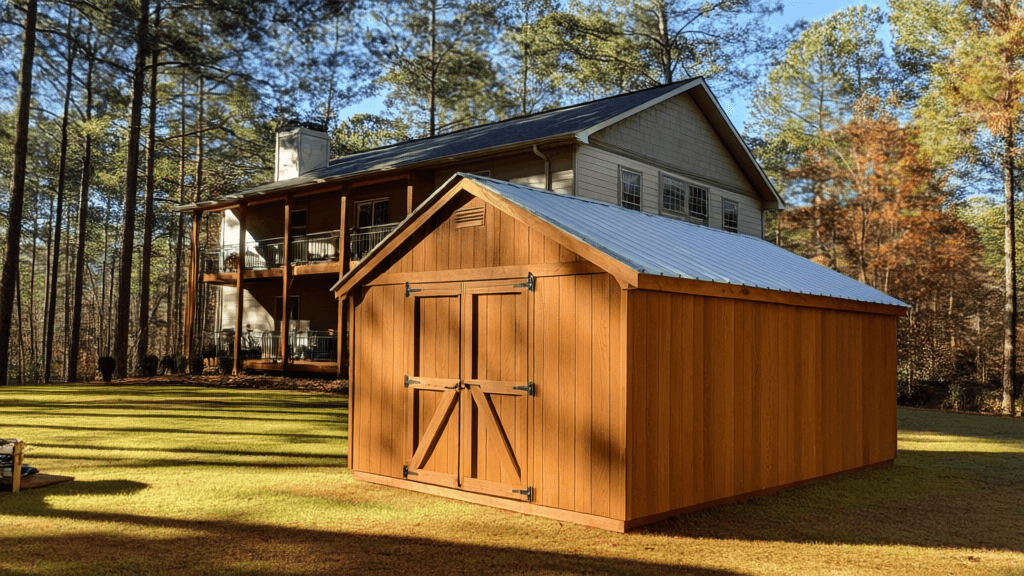
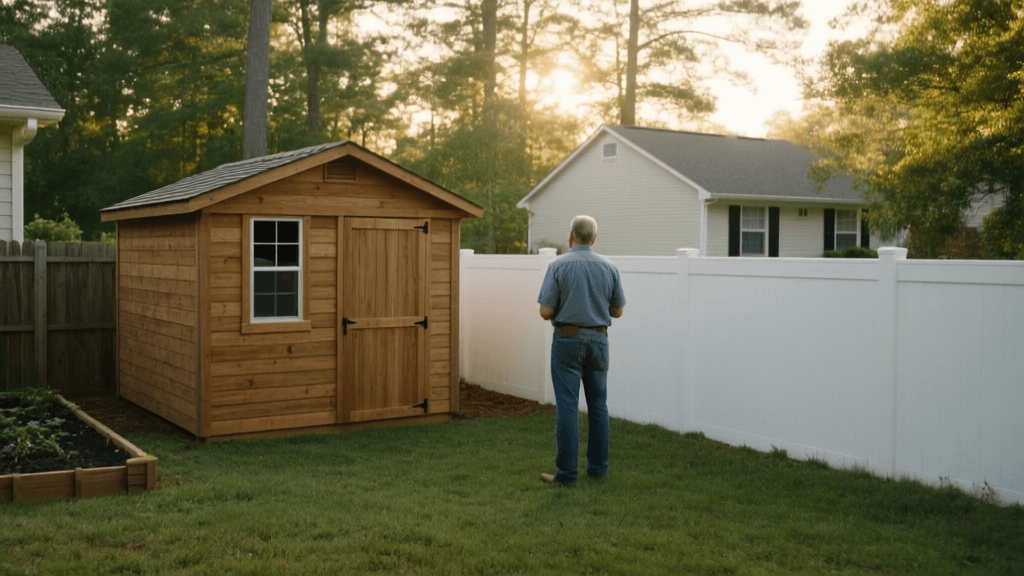
Many homeowners policies treat structures on the residence premises that are separated from the dwelling by clear space as other structures. A detached garage or tool shed is a common example; a fence, retaining wall, or freestanding gazebo may also qualify depending on the policy language. A structure attached to the house, such as an attached garage, is generally considered part of the dwelling instead. A connecting structure, shared property, or building used for business can raise different questions. Do not rely on appearance alone: check how the policy defines covered structures and whether a particular use changes eligibility. Make an inventory with each structure’s location, dimensions, construction, condition, and purpose.
Build a Useful Structure Inventory
Walk the property and record every detached structure, not just the largest building. Note approximate length, width, height, foundation, framing, roof type, siding, doors, windows, and built-in electrical or plumbing. Photograph each side and capture any distinctive features, such as a finished interior, workshop wiring, or custom doors. Keep receipts, contractor proposals, permits, and renovation records with the inventory. For example, a basic storage shed and a finished backyard workshop may have similar footprints but very different replacement costs. Include fences and other eligible property where applicable, while recognizing that the policy may define them differently. A clear record gives an insurance professional more useful information than a single estimate based on square footage.
Estimate Rebuilding Cost, Not Market Value
The relevant question is usually what it could cost to repair or rebuild a structure after a covered loss, rather than what the structure might add to a home’s sale price. Replacement estimates can depend on dimensions, materials, site access, foundation work, demolition and debris removal, labor, and local construction conditions. A shed purchased as a kit may cost far less to replace with a contractor-built version that matches an existing structure. Ask a qualified contractor for a written estimate when a building is substantial or has custom features, and share the details with an insurance professional. Estimates are not guarantees of payment: coverage settlement terms, the policy limit, exclusions, and claim facts all matter.
Look for Features That Could Change the Calculation
Some structures deserve closer attention because their construction or contents are more involved than a simple storage building. A detached garage may have an upgraded roof, finished walls, a concrete slab, or wiring for tools and charging equipment. A pool house, workshop, greenhouse, or large deck may have specialized materials or systems that cost more to reproduce. Record improvements and ask whether the policy’s other structures limit is adequate for the buildings themselves. Also distinguish the structure from personal property stored inside it: tools, lawn equipment, and recreational items may fall under a different part of the policy, with separate limits or restrictions. Confirm the applicable coverage rather than assuming the building limit insures everything kept there.
Check Limits, Exclusions, and How Structures Are Used
Review the declarations page for the listed other structures limit, then read the policy wording to understand how that limit applies. On many homeowners policies, the limit is set as a percentage of the dwelling limit, but the percentage and available options vary by insurer and contract. Ask whether the displayed amount is sufficient for all eligible structures combined and whether any special sublimits apply. Policy exclusions and conditions can also matter, including damage associated with wear, deterioration, flooding, or certain business uses; exact treatment depends on the contract and loss circumstances. If a detached building is rented, used to serve customers, or holds business property, disclose that use and ask how it affects coverage before assuming ordinary homeowners protection applies.
Woodstock Factors to Include in Your Review
Woodstock’s mix of established neighborhoods, newer subdivisions, and larger lots means detached property can range from a small garden shed to a substantial workshop or multi-bay garage. Terrain, tree cover, and access to a rear-yard structure can affect the work needed after damage, so describe the property accurately rather than relying on a generic building estimate. Homes around Woodstock, Holly Springs, and Canton may have very different layouts and outbuildings even when the main homes are similar in size. Local construction professionals can help assess current rebuilding details, while an insurance professional can explain policy terms and available limit options. Neither a neighborhood comparison nor a countywide average replaces an estimate for the specific structures on your property.
Key Takeaways for a Coverage Review
A Practical Review Checklist
- Inventory every detached building and eligible structure, noting its dimensions, materials, condition, and use.
- Photograph structures and keep permits, receipts, contractor estimates, and records of upgrades together.
- Estimate rebuilding costs using current construction details rather than purchase price or contribution to home value.
- Check the declarations page and policy wording for the other structures limit, settlement terms, exclusions, and sublimits.
- Ask separately how contents, business use, rental use, fences, and connected structures are treated under the policy.

What to Do Before Discussing Your Policy
Gather your current declarations page, structure inventory, photographs, and any recent estimates before contacting an insurance professional. Explain which structures have been added or improved since the policy began, and flag any building used for a workshop, rental, or business activity. Ask how the other structures limit is calculated, whether the structures share one combined limit, what loss settlement method applies, and whether particular features or uses need separate treatment. If you make a change, request confirmation of the updated terms and effective date in writing. A review cannot eliminate every uncertainty, but accurate property information and clear questions can help reveal a gap while there is still time to discuss options.
Make Your Structure Review More Informed
Use your inventory and current rebuilding estimates to ask an insurance professional whether your Woodstock policy’s other structures limit fits your property.
Get a Free Quote