Start With the Cost to Rebuild, Not the Asking Price
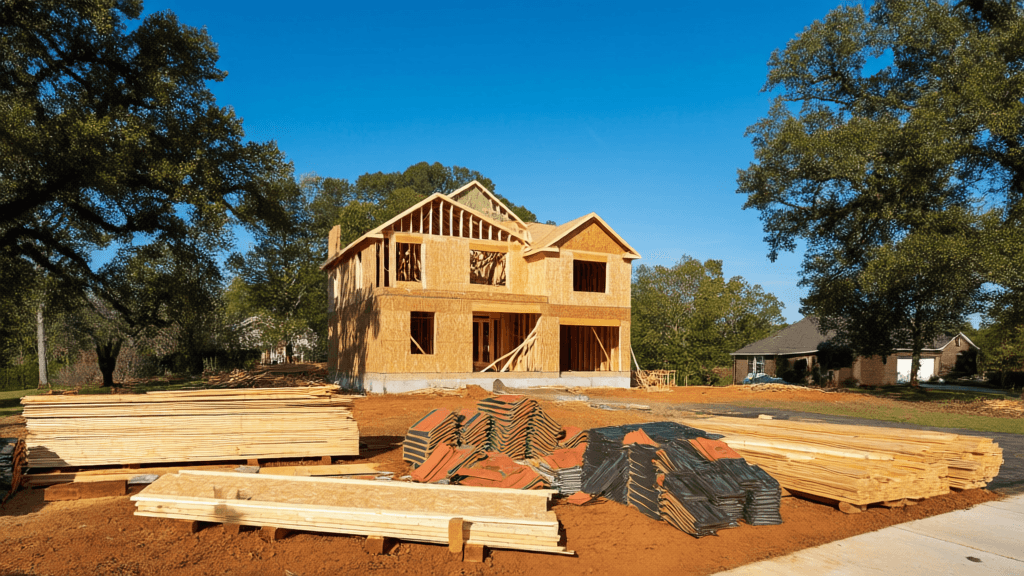
A home insurance dwelling limit is generally meant to reflect the cost of repairing or rebuilding the house after a covered loss, subject to the policy's terms and limits. That number is not automatically the same as a recent sale price, online estimate, or county assessment. In Woodstock, two houses with similar market values can have very different reconstruction costs because one may have a larger footprint, custom millwork, or upgraded finishes. A useful estimate begins with the structure itself: its dimensions, design, materials, and features. This guide explains the main cost drivers and practical ways Woodstock homeowners can check whether their coverage estimate still fits.
Why Market Value and Replacement Cost Differ
Market value reflects what a buyer might pay for a property, including its land, location, nearby amenities, and current demand. Replacement cost focuses on rebuilding the home’s structure with comparable materials and workmanship. Land is not rebuilt after a fire, while labor, debris removal, permits, and materials may make reconstruction expensive even when local home prices soften. For example, a Woodstock property near shops or major roads may command a strong sale price partly because of its location, but that location does not necessarily increase the cost of framing and roofing the house. Conversely, a custom home with detailed finishes could cost more to reconstruct than its market price alone suggests.
The Home Details That Shape a Rebuild Estimate
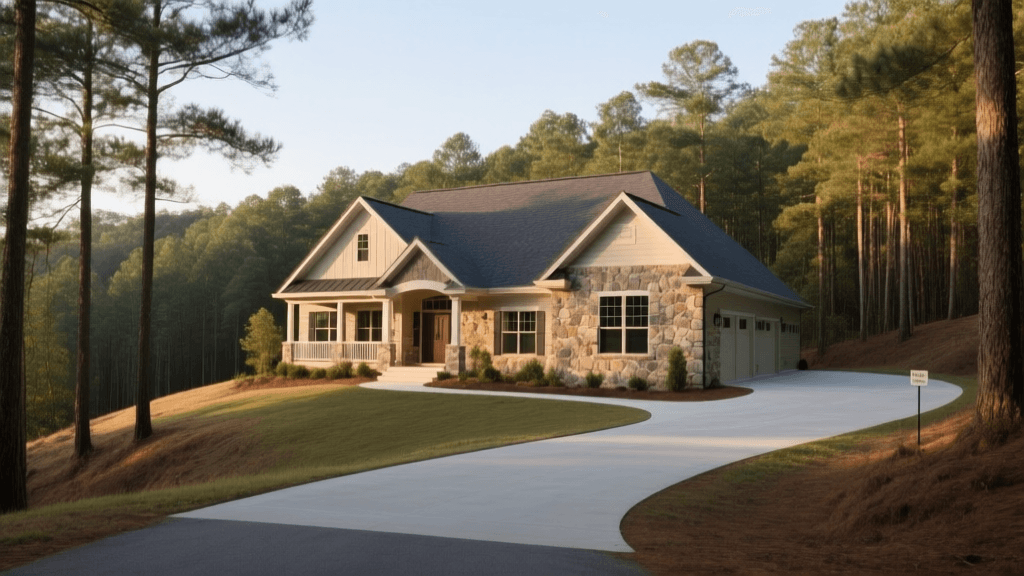
Square footage is an important starting point, but it is only one input. A reconstruction estimate may also account for the number of stories, roof complexity, foundation type, exterior siding or masonry, ceiling height, and quality of interior finishes. A kitchen with custom cabinetry and stone counters, a finished basement, built-in shelving, or extensive hardwood flooring can raise the cost compared with a basic specification. Age matters too: older homes may contain distinctive materials or construction details that require specialized work. Check that an estimate reflects the home as it exists today, including additions and upgrades, rather than relying on an outdated listing description or generic neighborhood average.
Construction Labor, Materials, and Extra Costs
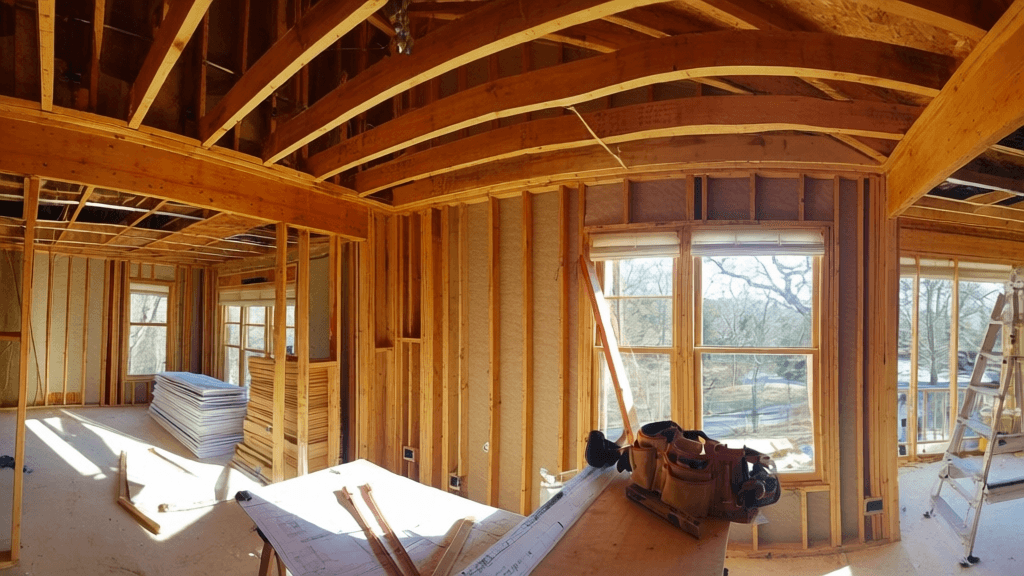
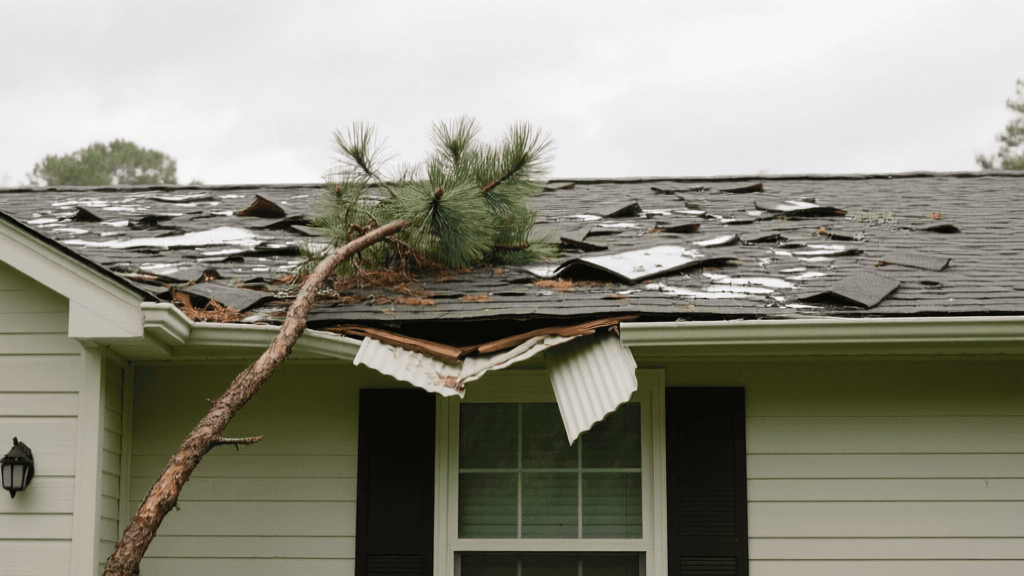
Rebuilding involves more than ordering lumber and replacing damaged rooms. Contractors may need to remove debris, arrange inspections, obtain permits, and coordinate specialized trades such as electricians, plumbers, roofers, and HVAC technicians. Prices for these services and building materials can shift over time. After a major storm or widespread fire, local demand for contractors may rise, which can affect timelines and availability. A rebuild estimate should use current cost information and account for the work needed to restore the structure, not just a rough price per square foot. Ask what assumptions the estimate uses, including whether it accounts for demolition, code-related work, and comparable-quality materials.
Review the Estimate Before Choosing a Coverage Limit
You can make an estimate more useful by checking its inputs rather than treating the final number as unquestionable. Confirm the heated living area, number of bathrooms, garage size, foundation, roof type, and major renovations. If a finished basement, sunroom, upgraded kitchen, or detached structure is missing, ask whether it should be included and how it is insured. Compare the insurer's estimate with a qualified local contractor's reconstruction opinion when the home is unusual or substantially customized. Do not assume that a mortgage balance, tax assessment, or purchase price sets the right limit. Coverage forms and settlement terms vary, so review the policy language and ask how a covered claim would be adjusted.
Woodstock and Cherokee County Considerations
Woodstock includes a mix of established neighborhoods, newer subdivisions, and homes with varying designs and finish levels. A rebuild estimate that fits a newer, standard-layout house may not reflect the cost of restoring an older or heavily upgraded property. Construction access, the home's site, and the scale of nearby rebuilding after a severe event can also affect practical timelines and contractor availability. Homeowners in Canton, Holly Springs, Ball Ground, and Waleska may encounter different property styles and local conditions, so a regional average should not substitute for a home-specific review. Keep records of major improvements, including invoices and specifications, and share those details when reviewing the dwelling limit.
Key Checks for Your Dwelling Coverage
Practical Review Points
- Verify that the insurer has the correct living area, construction type, roof details, and number of rooms.
- Include completed upgrades and additions, especially kitchens, bathrooms, finished basements, and custom features.
- Ask how demolition, debris removal, labor, materials, and applicable code-related costs are treated under the policy.
- Review whether the policy settles covered building losses on a replacement-cost basis and check the conditions that apply.
- Revisit the estimate after significant renovations and during routine policy reviews as construction costs change.

What to Do Before Your Next Policy Review
Gather a current room-by-room description, approximate square footage, renovation dates, and receipts or contractor documents for substantial upgrades. Then ask for the assumptions behind the replacement-cost estimate and point out any missing or outdated information. If your home has custom construction, unusual materials, or extensive finished space, explain why a standard model may not capture its rebuild needs. Compare policy limits and settlement provisions carefully rather than selecting a number solely to match a loan or sale price. A qualified insurance professional can clarify available options and policy terms, while a contractor can help describe reconstruction details. The goal is a well-supported estimate, not a guarantee that every possible expense will be covered.
Check Whether Your Dwelling Limit Reflects Your Home
Review your home's current features and ask for a clear explanation of the reconstruction estimate and applicable policy terms.
Get a Free Quote