Why Renovations Matter to Dwelling Coverage
A renovation can change the amount of money needed to rebuild your home, even when the project does not change its footprint. Dwelling coverage, often called Coverage A, is intended to help repair or rebuild the house after a covered loss, subject to the policy terms, limits, and deductible. In Woodstock, a new room, custom kitchen, or finished lower level may add materials and labor that were not reflected in an earlier estimate. If a fire or severe storm damages the property, an outdated limit could leave a gap between the covered amount and the cost of comparable reconstruction. Reviewing coverage after substantial work helps keep the policy aligned with the home you have now.
Rebuild Cost Is Different From Market Value
Dwelling coverage is generally based on estimated reconstruction cost, not the home's sale price, land value, or outstanding mortgage. A renovation may raise market appeal, but its insurance impact depends on what it adds to the structure and what it would cost to replace. Local labor availability, building materials, architectural details, and current construction prices can all affect a rebuild estimate around Woodstock and Cherokee County. For example, a modest kitchen update using standard cabinets may have a different replacement cost from a project with custom millwork, stone surfaces, and high-end appliances. Ask how the insurer calculates the dwelling limit and whether the estimate reflects the home's updated size, finishes, and features.
Additions and Major Structural Changes
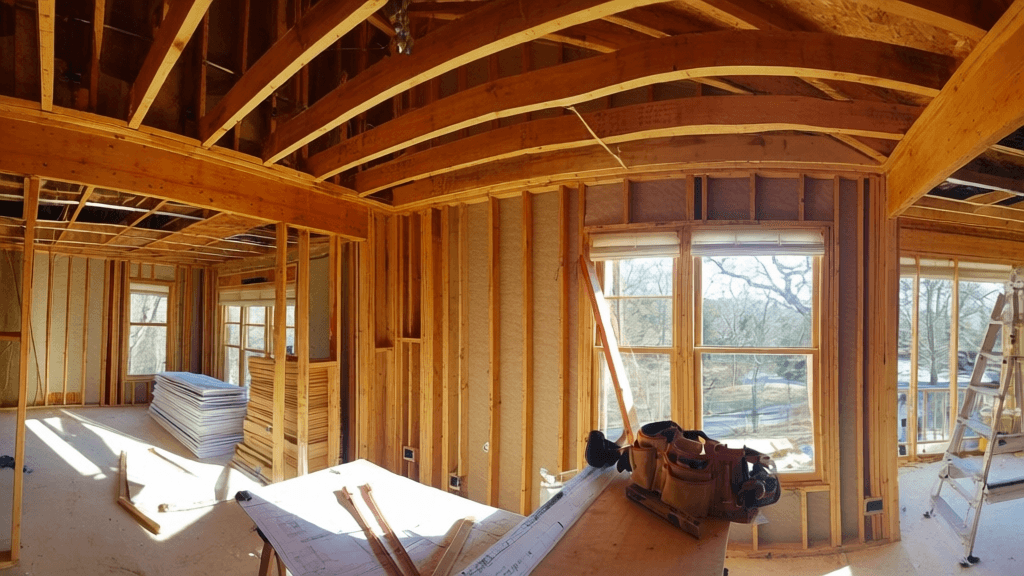
A new bedroom, sunroom, expanded living area, or second-story addition changes the home's square footage and can increase the cost of rebuilding its structure. The project may also involve a new roof section, foundation work, electrical systems, plumbing, insulation, and heating or cooling equipment. Tell the insurer about the plans before construction begins, especially if the home will be vacant or partly inaccessible during the work. Ask whether the current policy has restrictions for renovations, contractor-related damage, or a home left unoccupied for an extended period. Keep approved plans, permits, contracts, and final invoices. Those records help explain what changed and provide useful details when the dwelling estimate and policy limits are reviewed.
Kitchen Remodels and Higher-Value Materials
Kitchen renovations can affect replacement cost through more than cabinets and countertops. New wiring, plumbing, flooring, ventilation, built-in appliances, and custom storage may all add value to the structure. Materials also matter: replacing laminate surfaces with natural stone or standard cabinets with custom-built units can make a comparable rebuild more expensive. Keep a written record of the work and note whether fixtures are permanently installed or movable belongings. Dwelling coverage typically concerns the building and attached features, while personal property coverage addresses covered household belongings; policy language determines how particular items are treated. When a Woodstock kitchen project is complete, share the scope and approximate cost with the insurer rather than assuming a small remodel cannot affect the home estimate.
Finished Basements and Areas Below Grade
Finishing a basement may add living space, but it can also introduce flooring, drywall, built-in storage, a bathroom, or a media room that would need to be replaced after a covered loss. Describe the project accurately, including whether the space has a bedroom, plumbing, or specialized equipment. Do not assume that every basement loss is covered: homeowners policies commonly treat water damage differently depending on its cause, and flood damage generally requires separate flood insurance. This distinction can matter in any community, including Woodstock, where heavy rain can expose weaknesses in drainage or sump systems. Ask the insurer to explain applicable water exclusions, limits, and endorsements, and consider whether separate flood protection should be reviewed for the property.
Tell the Insurer Before Work Starts
Before a large project begins, contact the insurer or a licensed insurance professional and explain the planned scope, timeline, and estimated cost. Ask whether the existing policy remains suitable during construction and whether a builders risk policy, renovation endorsement, or other arrangement may be appropriate. The right solution depends on the project, who owns the materials, the contractor's insurance, and the homeowners policy terms. Verify that the contractor carries appropriate liability and workers' compensation coverage, and request proof rather than relying on a verbal assurance. Take dated photos before work begins, save permits and signed contracts, and report major changes to the plan. Early communication can uncover coverage questions while there is still time to address them.
Woodstock-Specific Planning After a Remodel
Woodstock homes range from established neighborhoods to newer developments, and construction details can differ even between nearby properties. A contractor's estimate for a renovation is not automatically a complete insurance rebuild estimate: it may exclude demolition, debris removal, code-related work, or costs associated with rebuilding the entire structure. Ask whether the policy includes ordinance or law coverage, which may help with certain additional costs when building codes require changes after a covered loss; its limits and conditions vary. Whether the home is near downtown Woodstock, Towne Lake, or a nearby Cherokee County community, keep the insurer informed about additions, major system upgrades, and premium materials. If the property is in a homeowners association, check applicable approval requirements as well as insurance details.
A Practical Post-Renovation Coverage Review
Details to Gather for Your Review
- Record the finished square footage, rooms added, and major structural changes, then compare those details with the insurer's home description.
- Save itemized invoices, plans, permits, contractor information, and dated photos so the renovation and installed materials are documented.
- Ask whether the dwelling limit reflects current reconstruction costs and whether extended or guaranteed replacement-cost provisions are available and applicable.
- Review other structures, personal property, and loss-of-use limits if the project changed detached buildings, household contents, or the home's normal living arrangements.
- Confirm deductibles, exclusions, water-related limitations, and any endorsements that may matter for the renovated areas.

Next Steps for Woodstock Homeowners
Once the project is complete, send the insurer a concise description of the finished work and ask for a review of the dwelling estimate and relevant policy limits. Provide documentation promptly and request an explanation of any recommended changes, including how they affect the premium, deductible, and covered situations. Compare policy terms as well as price if considering other options; a lower limit or different exclusion may change the protection substantially. Homeowners in Woodstock and nearby communities such as Canton, Holly Springs, and Acworth can use the same process: report major improvements, verify that the property details are accurate, and keep the written response with renovation records. Coverage depends on the policy contract, so review the actual terms and ask a licensed professional about questions specific to the home.
Review Coverage After Your Renovation
Gather your project records and request a dwelling coverage review to check whether your policy reflects the home's updated reconstruction needs.
Get a Free Quote