
What Is Dwelling Coverage for a Woodstock, GA Home?
Dwelling coverage is the part of a homeowners policy intended to protect the physical house when it is damaged by a cause of loss covered by the policy. It can apply to the main structure and, depending on policy wording, built-in components such as walls, roof, floors, and attached garage. It does not automatically cover every kind of damage: exclusions, conditions, limits, and the deductible all matter. For homeowners in Woodstock, the key question is whether the selected limit reflects the estimated cost to rebuild the home with comparable materials and features. Coverage is generally based on reconstruction cost, not the home's sale price, land value, or outstanding mortgage balance.
Why Woodstock Homeowners Should Review Dwelling Protection
Woodstock homes range from older properties to newer construction, and rebuilding costs can differ with age, size, layout, roof design, and finish level. Severe thunderstorms, wind, hail, and falling trees can damage roofs and exterior structures in the region, while a burst pipe or fire can cause significant interior and structural repairs. These events are not all treated the same under every policy, so local familiarity should never replace reading the contract. Homeowners in Woodstock and nearby Canton or Holly Springs can review roof details, renovations, and features that might raise reconstruction costs. Check the policy after a major remodel or addition, and ask how the insurer calculates replacement cost and handles building-code-related expenses.
What Dwelling Coverage May Pay For
When a covered event damages the home, dwelling coverage may contribute to repairs to components such as the roof, framing, siding, ceilings, built-in cabinetry, and permanently installed systems, subject to the policy. For example, if a covered wind event tears away shingles and allows rain to damage interior materials, the insurer will assess the cause, extent of damage, and applicable terms before determining payment. A detached shed or fence is often handled under a different part of a homeowners policy, while personal belongings are typically addressed by personal property coverage rather than dwelling coverage. Read the definitions and exclusions carefully, especially for water damage, wear and tear, neglect, and flood, which is generally excluded from standard homeowners policies.
Dwelling Coverage Details to Review
- Protection for the main home's structure when damage results from a covered cause of loss, subject to policy terms and limits.
- A dwelling limit selected around estimated reconstruction costs rather than market value or land value.
- Possible coverage for attached structures and built-in components, as defined by the specific homeowners policy.
- Deductibles, exclusions, and optional endorsements that affect how a covered repair is handled.
- A claims process that may include documentation, inspection, damage assessment, and settlement under policy terms.

Factors That Affect Dwelling Coverage Rates in Woodstock
A Woodstock dwelling coverage premium can reflect the amount of insurance selected, the home's age and construction, roof material and condition, square footage, past claims, deductible, and the insurer's assessment of risk. Custom finishes, additions, and specialized building features may increase the estimated cost to reconstruct. Location and exposure to wind, hail, or other weather-related damage can also be considered, though rating methods vary by insurer. Georgia insurance requirements and policy forms are not a substitute for comparing the actual coverages offered. When requesting quotes, provide consistent and accurate home details and compare limits, deductibles, exclusions, and endorsements side by side. A lower premium may come with a higher deductible or narrower protection, so check the full terms before choosing.
How a Dwelling Coverage Claim Works
After damage, first address immediate safety concerns and take reasonable steps to prevent additional harm, such as arranging a temporary covering for a damaged roof when safe to do so. Notify the insurer promptly, save receipts for emergency work, and photograph or record damage before cleanup when practical. The claims representative will explain what documents are needed and whether an adjuster or other inspection is appropriate. Keep damaged materials until the insurer advises otherwise, and avoid authorizing extensive permanent repairs before confirming the process, except when urgent work is necessary to protect people or property. The insurer evaluates the cause and scope of loss under the policy, then applies the deductible, limits, and settlement provisions. Ask for written explanations if a payment or coverage decision is unclear.
Common Dwelling Coverage Mistakes and Misconceptions
One common mistake is choosing a dwelling limit based on the home's real estate value. Market value includes land and reflects buyer demand, while rebuilding costs focus on labor, materials, demolition, and construction details. Another is assuming that every form of water damage is covered; gradual leaks, maintenance issues, and flood losses may be excluded or treated differently from sudden accidental plumbing damage. Homeowners may also overlook a roof-age change, new finished space, or upgraded kitchen when reviewing coverage. Do not assume an insurer will automatically increase limits enough to match every construction-cost change. Read the policy, ask about replacement-cost settlement and any extended replacement-cost feature, and confirm whether ordinance or law coverage is available for code-related costs.
Choosing the Right Dwelling Limit and Deductible
Start with a detailed estimate of the cost to rebuild the structure, considering square footage, architectural style, construction materials, roof complexity, attached features, and interior finishes. A qualified insurance professional can help collect accurate details, but the homeowner should verify that the estimate reflects renovations and distinctive features. Compare the dwelling limit with the policy's settlement method and ask whether replacement-cost protection has conditions, caps, or deadlines. Then evaluate the deductible: a higher deductible may reduce premium but means paying more out of pocket after a covered claim. Consider whether a separate wind or other percentage-based deductible applies. Review the limits for detached structures and code-related upgrades as well, since those protections may be separate from the main dwelling limit.
Getting Dwelling Coverage in Woodstock and Nearby Communities
To explore dwelling coverage in Woodstock, gather the home's address, year built, approximate square footage, roof age and material, construction details, and information about renovations or prior claims. Request quotes with comparable dwelling limits and deductibles, then ask specific questions about exclusions, replacement-cost settlement, roof claims, and optional endorsements. A licensed insurance professional can explain available choices, but only the issued policy determines coverage; verify licensing through the Georgia Office of Insurance and Safety Fire Commissioner when needed. Homeowners in Woodstock, Canton, Kennesaw, Marietta, Acworth, Roswell, Alpharetta, Holly Springs, Ball Ground, Waleska, Smyrna, and Cumming can use the same careful comparison process while recognizing that property details and insurer pricing differ. Revisit the policy annually and after significant renovations.
Review Your Home’s Rebuilding Protection
Compare dwelling limits, deductibles, and policy terms for your Woodstock home, and ask a licensed professional about options that fit its construction and features.
Get a Free QuoteFrequently Asked Questions
Dwelling coverage can help pay to repair or rebuild the house itself after damage from a covered cause of loss. Depending on the policy, covered parts may include the roof, walls, foundation, built-in cabinets, and attached structures such as a garage. Coverage is limited by the policy's terms, deductible, and dwelling limit; floods, maintenance problems, and other exclusions may not be covered.
Choose a dwelling limit based on the estimated cost to rebuild your home, not its market price or land value. Construction materials, square footage, roof design, finishes, and local labor and material costs can affect the estimate. Review the calculation with a licensed insurance professional and update it after renovations or major changes to the home.
There is no single price for dwelling coverage in Woodstock because premiums depend on factors such as the home's replacement cost, age, construction, roof condition, claims history, deductible, and selected policy terms. Ask for quotes using consistent limits and deductibles so you can compare the protection, exclusions, and endorsements as well as the premium.
Contact your insurer or its claims department promptly after taking reasonable steps to prevent further damage and ensure everyone's safety. Document the damage with photos, keep receipts for temporary repairs, and provide requested information. The insurer will explain the inspection and adjustment process; coverage and payment depend on the policy, deductible, limits, and claim findings.
A standard homeowners policy generally excludes flood damage, so dwelling coverage should not be assumed to protect against flooding. Separate flood insurance may be needed, and its availability and terms depend on the property and policy. Review exclusions and ask a licensed insurance professional about flood exposure and options for a Woodstock home.
Get Your Home Insurance Quote
Compare coverage options for Woodstock and get help choosing the right policy.
Related Articles
Learn more about dwelling coverage in woodstock, ga with these expert guides
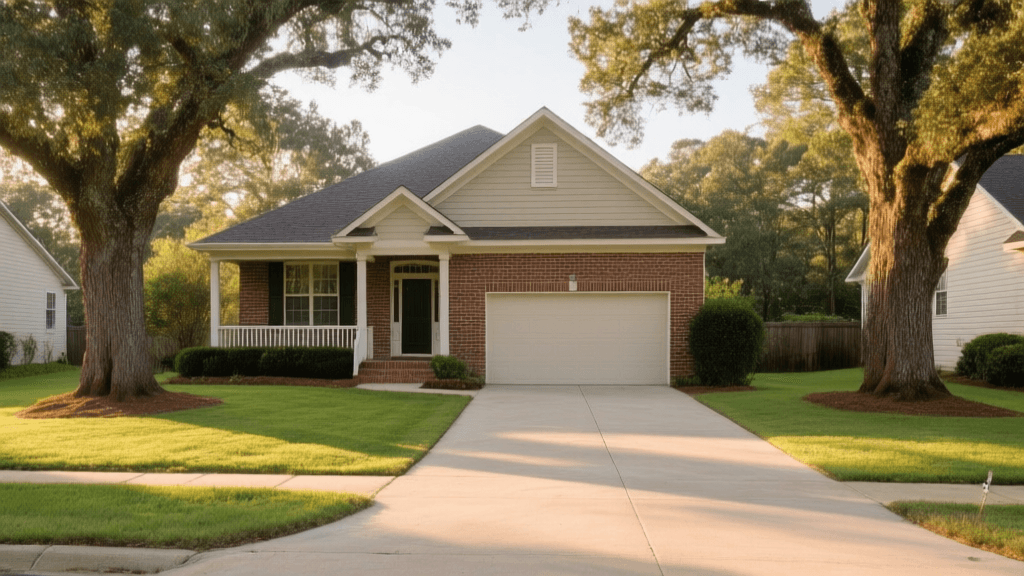
Dwelling Coverage in Woodstock, GA
Dwelling Coverage: Common Limits and Exclusions for Woodstock, GA Homes
Dwelling coverage can help repair or rebuild a home after certain covered losses, but it does not cover every cause of d...
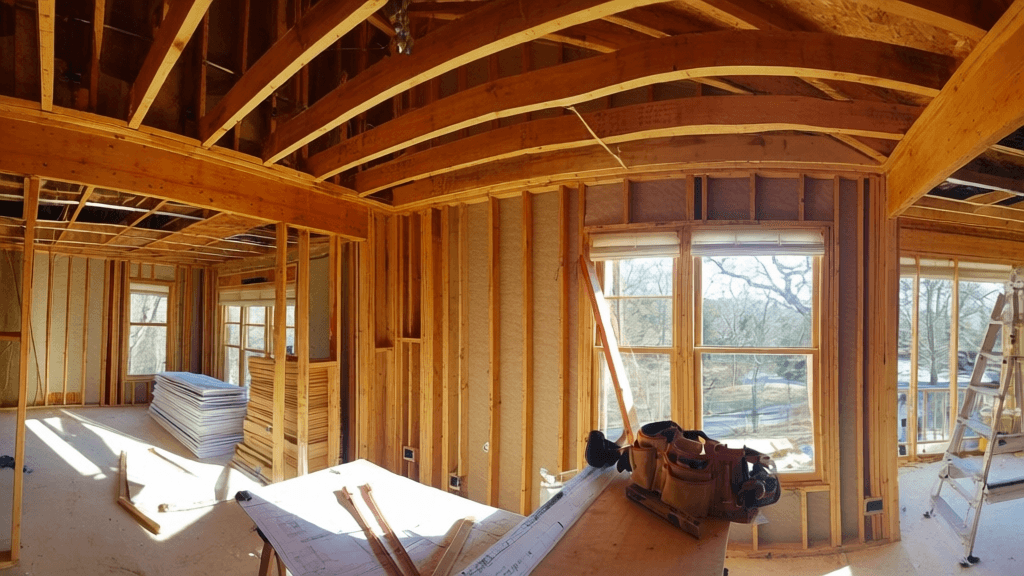
Dwelling Coverage in Woodstock, GA
How Renovations Can Change Your Dwelling Coverage in Woodstock, GA
Additions, remodeled kitchens, finished basements, and upgraded materials can increase the cost to rebuild a home. This ...
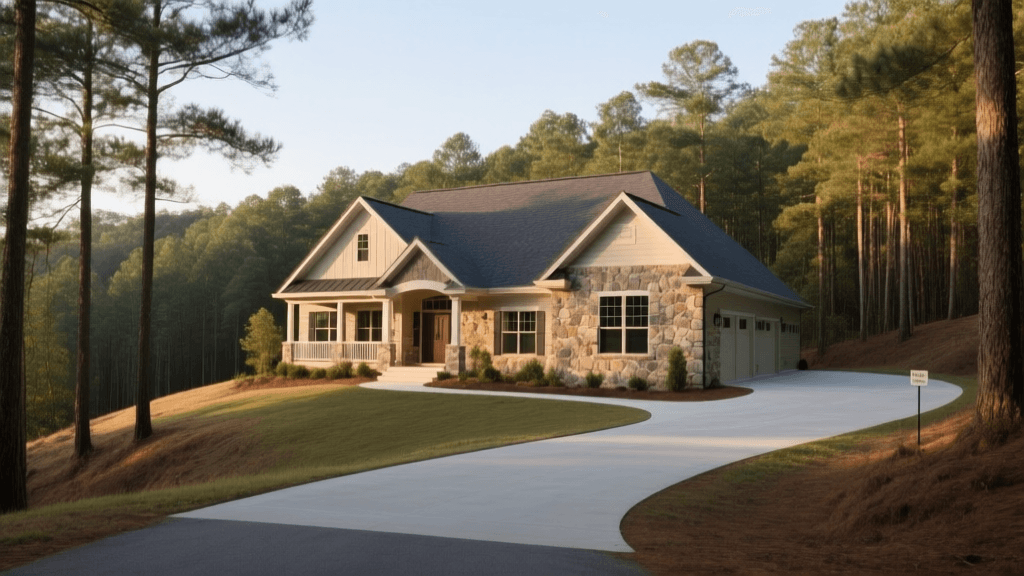
Dwelling Coverage in Woodstock, GA
How Much Dwelling Coverage Do Woodstock, GA Homeowners Need?
Dwelling coverage should reflect the estimated cost to rebuild a Woodstock home, not simply its sale price or tax assess...