What Dwelling Coverage Means for Woodstock Homeowners
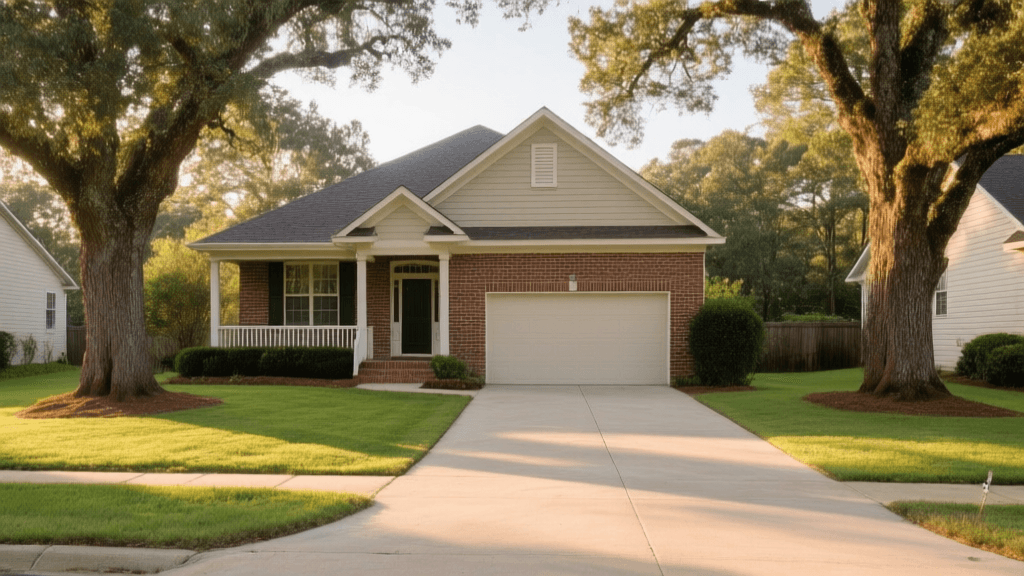
Dwelling coverage is the part of a homeowners policy designed to insure the house itself and structures attached to it, such as a built-in garage or deck, against covered causes of loss. The coverage limit is generally tied to the estimated cost to rebuild, not the home’s market price or the amount paid for the property. That distinction matters in Woodstock, where home values, lot prices, finishes, and construction costs can vary significantly. A policy may cover sudden damage from a listed or covered event, while excluding deterioration that develops slowly. Understanding this line helps homeowners set realistic expectations before a storm, plumbing failure, or repair dispute occurs.
Why Limits and Exclusions Deserve a Closer Look
A dwelling limit that looked adequate several years ago may no longer reflect current labor and material costs. Rebuilding estimates can shift after inflation, regional demand, or changes to a home such as a finished basement, renovated kitchen, or upgraded roof. In Woodstock and surrounding Cherokee County, tree cover, seasonal storms, and periods of heavy rain can also make roof and water provisions especially relevant. The policy’s declarations page shows key limits, but exclusions and endorsements often appear elsewhere in the contract. Reviewing both parts together can reveal whether a limit is based on a current reconstruction estimate and whether special coverage is needed for a risk the standard form restricts.
How to Think About the Dwelling Limit
The dwelling limit should reflect the estimated cost to reconstruct the insured home using comparable materials and workmanship. It is not automatically the home’s resale value, assessed value, or mortgage balance. A homeowner with custom cabinetry, complex rooflines, higher-end flooring, or a large attached garage may need a different estimate than a similarly sized home with simpler construction. Ask how the insurer calculated the replacement-cost figure and whether it accounts for local labor, debris removal, and code-related rebuilding requirements. Keep records of major renovations and tell the insurer about substantial additions. Some policies offer extended or guaranteed replacement-cost features, but availability, conditions, and limits vary, so confirm the exact wording rather than relying on a label.
Wear and Tear Is Different From Sudden Damage
Home insurance is generally designed for sudden, accidental damage, not routine upkeep or gradual deterioration. Examples of commonly excluded maintenance issues can include an aging roof that slowly leaks, rotting trim, corrosion, mold that develops over time, or a pipe that has been dripping unnoticed for months. By contrast, a sudden event may be treated differently if it is a covered cause and the policy conditions are met. For example, a wind-damaged roof may lead to covered interior damage, while a claim involving long-term neglected shingles could be limited or denied. The facts, exclusions, and duties after a loss all matter. Keep inspection notes, repair invoices, and dated photos to document the home’s condition.
Water Damage Depends on the Source
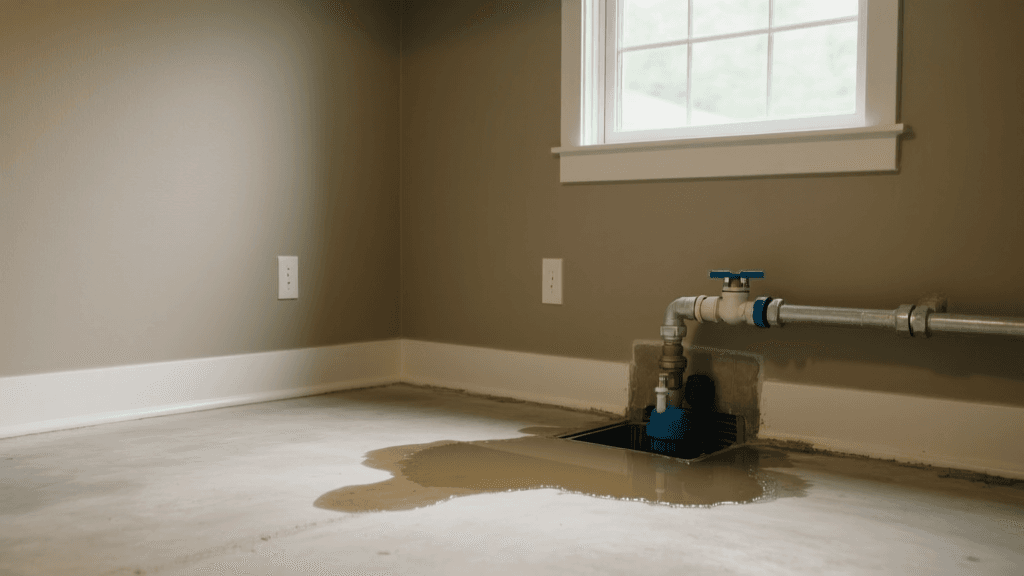
The phrase water damage does not describe one single type of coverage. A sudden burst pipe inside a home may be treated differently from water entering through groundwater, surface flooding, sewer backup, or a slow leak. Many standard homeowners policies exclude flood damage, while sewer or drain backup may require an optional endorsement with its own limit and deductible. Water that enters through a damaged roof may also be evaluated differently from water that seeps in over time through a foundation. Woodstock homeowners should identify where water could come from on their property and ask how each source is addressed. Read definitions and exclusions carefully, because a familiar everyday term may have a narrow meaning in the contract.
Local Considerations Around Woodstock
In Woodstock, mature trees and seasonal thunderstorms make roof condition, drainage, and prompt repairs practical priorities. A homeowner near a wooded lot may want to inspect branches over the roof and clear gutters before heavy rain, while a property with a basement should check grading and downspouts to direct water away from the foundation. These steps do not change policy terms, but they can reduce preventable damage and help demonstrate responsible upkeep. Conditions can differ in nearby Canton, Holly Springs, and Ball Ground, including lot slope, drainage patterns, and construction age. A local property’s specific exposure matters more than a broad assumption about the city, so review the home itself and ask how the policy handles the risks identified.
A Practical Policy Review Checklist
Start with the declarations page and verify the dwelling limit, deductible, and any listed endorsements. Then read the contract sections addressing replacement cost, roof settlement, water exclusions, duties after a loss, and matching materials if those topics affect the home. Make an inventory of improvements, gather contractor estimates when a major renovation changes rebuilding needs, and take current photos of important rooms and exterior features. Ask the insurer to explain ambiguous wording in writing, especially when a coverage name sounds broader than its stated limit. Do not assume an endorsement covers every version of a risk: it may apply only to a defined event, include a sublimit, or impose conditions. A careful review before damage happens is far easier than interpreting the contract during a claim.
Key Points to Remember
- Set the dwelling limit around estimated reconstruction cost, not market value or mortgage balance, and update it after substantial renovations.
- Separate sudden accidental damage from gradual deterioration; routine maintenance and long-term leaks are commonly excluded.
- Identify water by its source, since plumbing discharge, sewer backup, and outside flooding may have different policy treatment.
- Check deductibles, sublimits, roof settlement terms, and endorsement conditions rather than relying only on coverage labels.
- Keep dated photos, inspection records, and repair invoices to document maintenance and the home’s condition.

What to Do Before You Need to File a Claim
Set aside time to compare the policy declarations with the full contract and note any questions about rebuilding limits, roof damage, gradual leaks, and water entering from outside. If a renovation, new roof, or major system replacement has changed the home, request an updated review and provide accurate details. Ask for explanations of exclusions and endorsements, including the applicable limit and deductible, and keep the answers with the policy documents. Homeowners in Woodstock, as well as nearby Kennesaw, Marietta, Acworth, and Roswell, can use this process to compare policy options based on the house’s construction and risks rather than price alone. Coverage varies by insurer and policy form, so the contract—not a general summary—determines how a specific loss is handled.
Review Your Home’s Coverage Before a Loss
Compare your dwelling limit, exclusions, and endorsements with your home’s current condition and rebuilding needs.
Get a Free Quote