Why Wind and Hail Damage Deserves a Careful Look
A strong thunderstorm can pass over Woodstock in minutes, yet leave behind damage that only becomes obvious when the next rain arrives. Wind may lift shingle edges, loosen flashing, or push branches against siding, while hail can bruise roofing materials, dent gutters, and crack window screens. A roof that looks acceptable from the driveway may still have vulnerable spots. After a storm, safety comes first; do not climb onto a wet or damaged roof. This guide explains how Woodstock homeowners can check visible areas, preserve useful evidence, and understand how policy terms shape the next steps.
How Georgia Storms Affect Homes Around Woodstock
Woodstock homes experience seasonal thunderstorms, gusty winds, and occasional hail, with risk varying from one storm track to another. Tree-lined streets and wooded lots can bring extra exposure to falling limbs, while open areas may experience stronger wind around roofs and fences. Damage can also be delayed: a small opening at a roof edge or around a vent may allow water into the attic before a ceiling stain appears. Keep in mind that storm reports and neighborhood observations do not prove that a particular home suffered covered damage. The condition of the property, the documented cause, and the exact policy wording all matter when a loss is reviewed.
Recognize Common Wind and Hail Damage
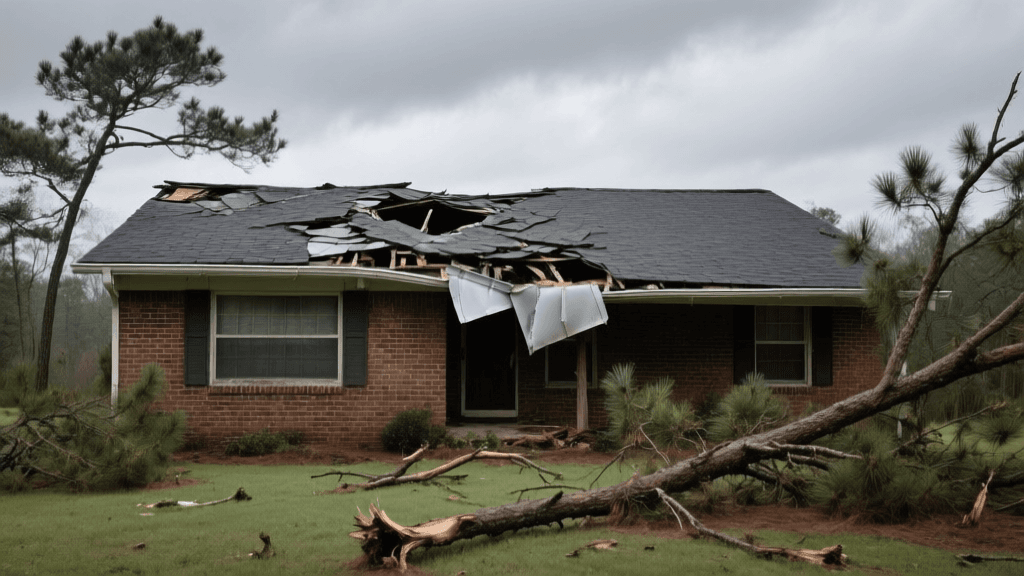
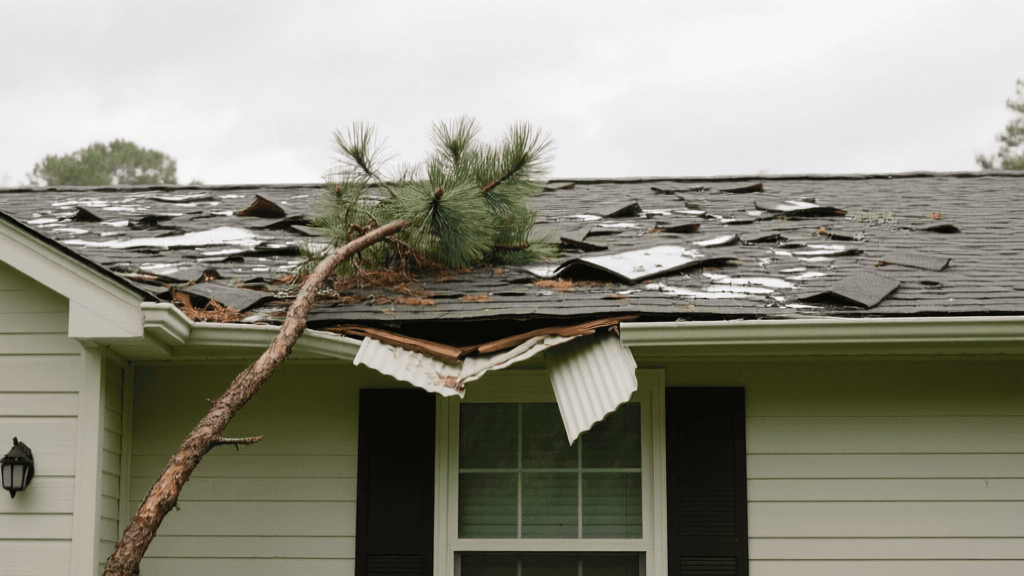
Wind damage often includes shingles that are missing, creased, lifted, or displaced; torn screens; damaged soffits; loose gutters; and branches or debris striking the home. Hail can leave round dents on soft metal, chips on exterior finishes, cracked screens, or impact marks on roof components. Some roof impacts are difficult to assess without training and safe access, so avoid relying on a quick visual guess from the ground. Look for new debris, displaced materials, and water marks inside the home, then record what you can see from safe locations. Note the date and approximate time of the storm, which elevations appear affected, and whether damage was present beforehand.
Inspect the Roof and Exterior Safely
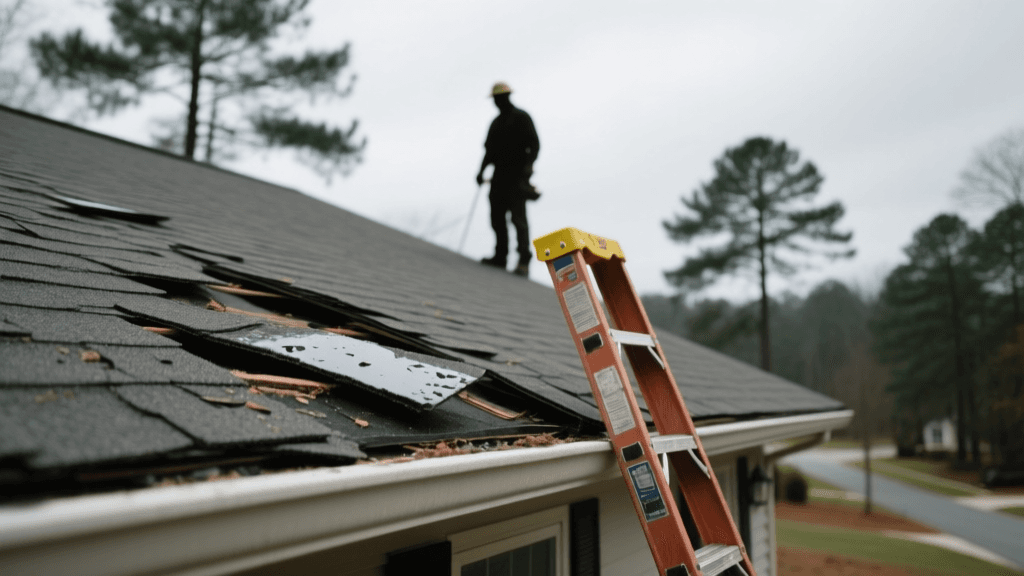
Start outside from the ground and use binoculars or a phone camera with zoom rather than climbing a ladder. Check roof edges, gutters, downspouts, siding, windows, screens, fences, and detached structures for visible changes. From inside, look in the attic only if access is safe, watching for damp insulation, daylight through the roof, or new staining. Do not touch wet electrical fixtures or enter areas with sagging ceilings. If water is entering, move belongings away and use a qualified professional for urgent stabilization. A contractor or qualified inspector can assess areas that are not visible from the ground; ask for dated photographs and a written description, and avoid authorizing major permanent work before discussing the claim process with the insurer.
Document the Damage Before It Changes
Good records help establish what was observed and when. Take wide photographs showing each side of the home, then close-ups of individual damaged areas, including a scale reference when practical. Photograph interior stains, wet flooring, and damaged belongings before moving or discarding them, while protecting people and property from further harm. Save storm alerts, repair estimates, invoices, and communications, and keep a simple timeline of discovery, temporary work, and insurer contacts. Do not throw away damaged materials until the insurer has explained whether an inspection is needed, unless leaving them creates a safety or sanitation problem. Clear records are useful even when the final decision depends on policy language and an adjuster’s findings.
Understand Deductibles, Exclusions, and Roof Terms
A deductible is the amount a policyholder is responsible for before covered claim payments apply. Some homeowners policies may set a separate wind or hail deductible, and a percentage-based amount is typically calculated using a stated insured value rather than the repair bill. Policies may also contain exclusions, limitations, or roof settlement terms that affect payment, including provisions tied to roof age or the method used to value damaged property. Read the declarations page alongside the policy forms; the declarations summarize selected limits and deductibles, while forms provide detailed conditions. Ask the insurer to explain which deductible applies, how it is calculated, what evidence is needed, and how any roof-specific terms apply to the reported damage.
What to Do When You Find Damage
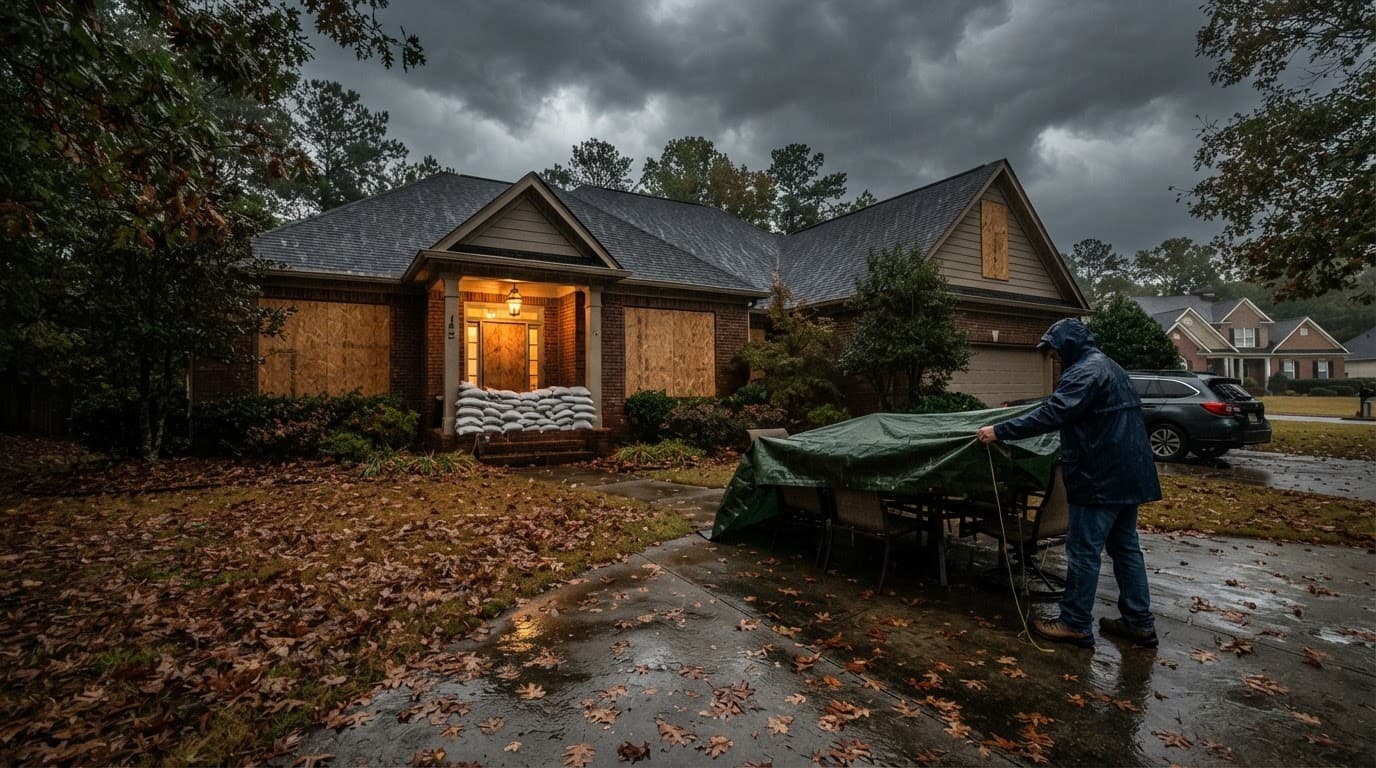
If the home is safe, take photographs before making temporary repairs, then take reasonable steps to prevent additional damage, such as covering an opening with a secure temporary tarp. Keep all receipts and document the work. Contact the insurer promptly using the claims instructions in the policy, describe what happened without guessing about hidden damage, and ask about inspection timing and required records. Avoid signing a repair contract you do not understand or accepting pressure to make an immediate coverage decision. An estimate from a contractor is not the same as the insurer’s coverage determination. If new damage appears after the initial report, document it and promptly update the claim contact so the file reflects the developing conditions.
Woodstock and Nearby Community Considerations
Local conditions can influence how a storm affects a particular property. In Woodstock and nearby Cherokee County communities such as Holly Springs, Canton, and Ball Ground, mature trees may increase the chance of limb impacts, while exposed roofs and homes on open lots may face stronger gusts. Hail size and wind intensity can vary across a small area, so a neighbor’s damage is helpful context but does not establish the condition of another home. Homeowners in nearby Kennesaw, Acworth, and Marietta may encounter similar inspection questions, though each claim is assessed on its own facts and policy. Keep tree limbs maintained where practical, secure outdoor items before forecast storms, and know where policy documents and emergency contacts are kept.
A Practical Storm-Claim Checklist
Key Steps for Woodstock Homeowners
- Put personal safety first; stay off damaged roofs and avoid downed power lines, unstable branches, and wet electrical areas.
- Photograph visible exterior and interior damage before cleanup when it is safe, and note the date, location, and conditions.
- Take reasonable temporary steps to limit further damage, then save receipts and photographs of the work.
- Report the loss promptly according to the policy and ask which deductible, inspection steps, and documents apply.
- Keep estimates, invoices, damaged-item records, and communications together; do not assume a contractor estimate guarantees coverage.

Next Steps: Review Your Policy Before the Next Storm
The most useful time to understand wind and hail coverage is before a storm creates an urgent repair decision. Review your declarations page for the dwelling limit and any separate wind or hail deductible, then locate policy language about roof settlement, exclusions, and duties after a loss. If a storm has already affected your Woodstock home, document what is visible, protect the property from further damage, and follow the insurer’s claim instructions. Ask clear questions about inspection, estimates, and the basis for any coverage decision. Comparing policy terms at renewal can also reveal meaningful differences in deductibles and roof provisions. Careful preparation will not prevent every loss, but it can make the response more organized and informed.
Be Ready Before the Next Storm
Review your homeowners policy, document your roof’s current condition, and keep claim records and emergency contacts easy to find.
Get a Free Quote