
What Wind and Hail Coverage Means for Woodstock Homeowners
Wind and hail coverage refers to the protection in a homeowners policy that may apply when a covered windstorm or hail event damages the house or insured belongings. Depending on the policy, covered property can include roof shingles, siding, gutters, windows, and interior areas damaged when wind or hail creates an opening. It is not a separate guarantee that every roof repair will be paid: exclusions, maintenance requirements, settlement terms, and the policy deductible all matter. In Woodstock, where homes can face intense thunderstorms and seasonal severe weather, reviewing this part of a policy helps homeowners understand their potential out-of-pocket costs before a storm occurs.
Why Wind and Hail Protection Matters in Woodstock, GA
Woodstock and the surrounding Cherokee County area experience thunderstorms that can bring damaging wind, hail, falling branches, and heavy rain. A storm may affect one street while leaving nearby homes untouched, and visible roof damage is not always obvious from the ground. Homes with mature trees, older roofing, or exposed elevations may have different vulnerabilities from newer construction or homes sheltered by neighboring buildings. Local homeowners should review their policy before storm season, note whether a special wind or hail deductible applies, and learn how roof claims are settled. Conditions vary by property, so a licensed insurance professional can explain the policy language applicable to a particular address.
What Wind and Hail Coverage May Include
If a covered event causes direct physical damage, a homeowners policy may help pay to repair or replace affected parts of the dwelling, subject to the coverage limit and deductible. For example, hail can dent metal components or damage shingles, while wind can lift roofing materials or send branches into siding and windows. If rain enters through storm-created damage, resulting interior damage may be considered under the policy, although the cause and wording determine the outcome. Coverage may also extend to other insured structures, such as a detached garage, and personal property when damaged by a covered event. Cosmetic damage, deterioration, faulty installation, and wear may be excluded or treated differently, so check the actual contract.
Potential Benefits of Wind and Hail Coverage
- Helps address covered physical damage to roofing, siding, windows, and other insured parts of the dwelling, subject to policy terms.
- May provide protection for other covered structures and personal belongings affected by an insured storm event.
- Can include certain resulting interior damage when a covered storm creates an opening, depending on the facts and policy wording.
- Offers a defined claims process and coverage limits, helping homeowners plan for repair costs after a qualifying loss.

Factors That Can Affect Wind and Hail Insurance Rates
Premiums in Woodstock are based on the individual home and policy, not simply the likelihood of a storm. Insurers may consider the dwelling’s replacement cost, roof age and materials, prior claims, construction features, protection devices, selected limits, and deductible. The home’s location and exposure to trees or other hazards can also be relevant. A higher deductible may lower the premium but means paying more yourself on a covered claim; a percentage deductible, if included, is usually calculated from an insured limit specified in the contract. Ask for a clear explanation of any wind or hail deductible and compare equivalent coverage limits and settlement terms rather than choosing only by price.
How to Handle a Wind or Hail Claim
After a storm, first make sure everyone is safe and take reasonable steps to prevent additional damage, such as arranging a temporary tarp when safe and appropriate. Photograph damage from the ground, keep receipts for emergency work, and avoid climbing onto a wet or unstable roof. Contact the insurer promptly using the claim instructions in the policy, describe what happened, and ask about the deductible, inspection, and documentation needed. An adjuster may inspect the property and compare observed damage with the reported event and policy terms. Keep estimates, inspection notes, and communications together, and do not discard damaged materials before discussing documentation with the insurer. Claim timing and payment depend on the policy and loss circumstances.
Common Wind and Hail Coverage Mistakes
A common misconception is that every roof leak after a storm automatically qualifies for insurance payment. Insurers generally review the cause of damage, the policy’s exclusions, and whether maintenance or prior deterioration contributed. Another mistake is assuming the deductible is a small fixed dollar amount; some policies use a separate percentage deductible for certain losses. Homeowners may also overlook limits on older roofs, actual-cash-value settlement provisions, or requirements to report damage promptly. Do not authorize extensive permanent work based only on a contractor’s assurance that a claim will be covered. Document the condition, make reasonable temporary repairs, and confirm claim procedures with the insurer. The policy contract, not a general description, determines coverage.
Choosing Wind and Hail Limits and Deductibles
Start by checking whether the dwelling limit reflects the cost to rebuild the home, rather than its market price or land value. Review how the policy treats roof replacement, including whether settlement is replacement cost or actual cash value and whether age-related limitations apply. Then compare the standard deductible with any separate wind or hail deductible, including how a percentage is calculated. Consider whether emergency expenses and detached structures have suitable limits, and whether endorsements are available for specific gaps. Woodstock homes differ in size, materials, and condition, so there is no single deductible or limit that fits everyone. Request written explanations and compare policies with similar terms before making a change.
Getting Wind and Hail Coverage in Woodstock
To review coverage, gather the home’s address, approximate year built, roof age and material, recent improvements, and any prior loss information. Ask a licensed insurance professional to explain wind and hail exclusions, deductibles, roof settlement, dwelling limits, and available endorsements in plain language. Compare quotes using matching limits and deductibles so differences are meaningful. Homeowners in Woodstock can also seek information for nearby Canton, Kennesaw, Marietta, Acworth, Roswell, Alpharetta, Holly Springs, Ball Ground, Waleska, Smyrna, and Cumming. Before a storm, keep a basic home inventory and save policy and claim contact details somewhere accessible. Coverage is governed by the issued policy and applicable Georgia requirements; review the contract for the terms that apply to your home.
Review Your Storm Protection Before the Next Forecast
Compare wind and hail deductibles, roof settlement terms, and dwelling limits with a licensed insurance professional.
Get a Free QuoteFrequently Asked Questions
It may help pay for covered storm damage to the dwelling, such as damaged shingles, siding, windows, or other insured property. The policy deductible, exclusions, limits, and roof settlement terms determine what is payable.
There is no single price for Woodstock homes. Premiums depend on factors such as replacement cost, roof age and materials, claims history, deductible, coverage limits, and policy terms. Compare quotes with the same deductible and limits.
Prioritize safety, photograph damage from safe locations, take reasonable steps to prevent further damage, and contact your insurer promptly. Keep receipts and follow the insurer’s instructions for inspection and documentation.
Wind and hail protection is commonly addressed through homeowners insurance, but coverage and exclusions vary by policy. Review your contract and ask a licensed professional whether separate deductibles or limits apply to your Woodstock property.
Not automatically. The insurer evaluates the cause and extent of damage, policy language, roof settlement provisions, deductible, and any wear, maintenance, or age-related exclusions. Ask how your specific policy settles roof losses.
You can arrange emergency measures to prevent further damage, but discuss inspection and documentation requirements with the insurer before permanent repairs when practical. Keep photographs, estimates, and receipts, and review any contractor agreement carefully.
Get Your Home Insurance Quote
Compare coverage options for Woodstock and get help choosing the right policy.
Related Articles
Learn more about wind & hail coverage in woodstock, ga with these expert guides
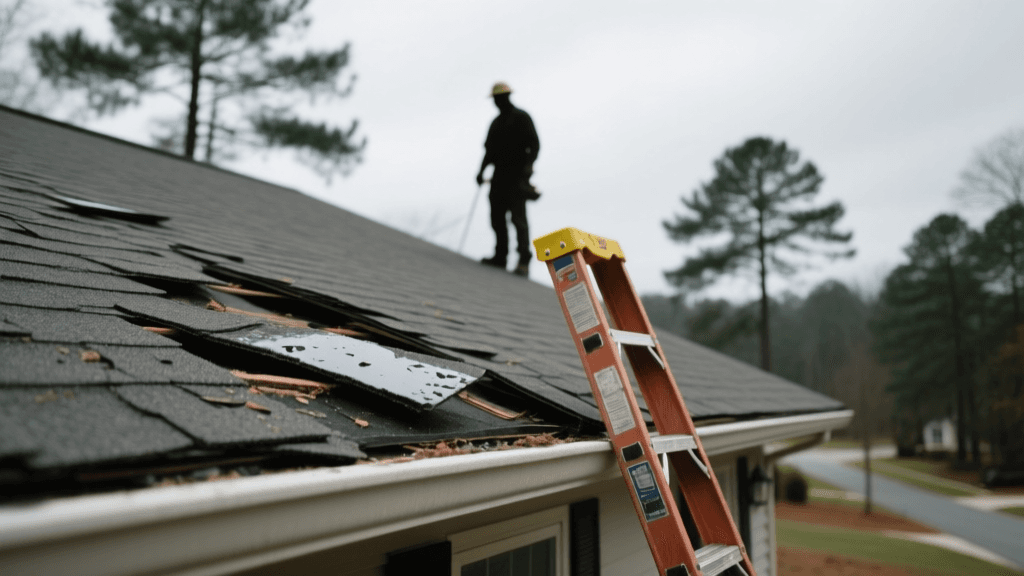
Wind & Hail Coverage in Woodstock, GA
Roof Age, Maintenance, and Wind and Hail Coverage in Woodstock, GA
Roof age, materials, and maintenance can affect how insurers evaluate a Woodstock home and handle a wind or hail claim. ...
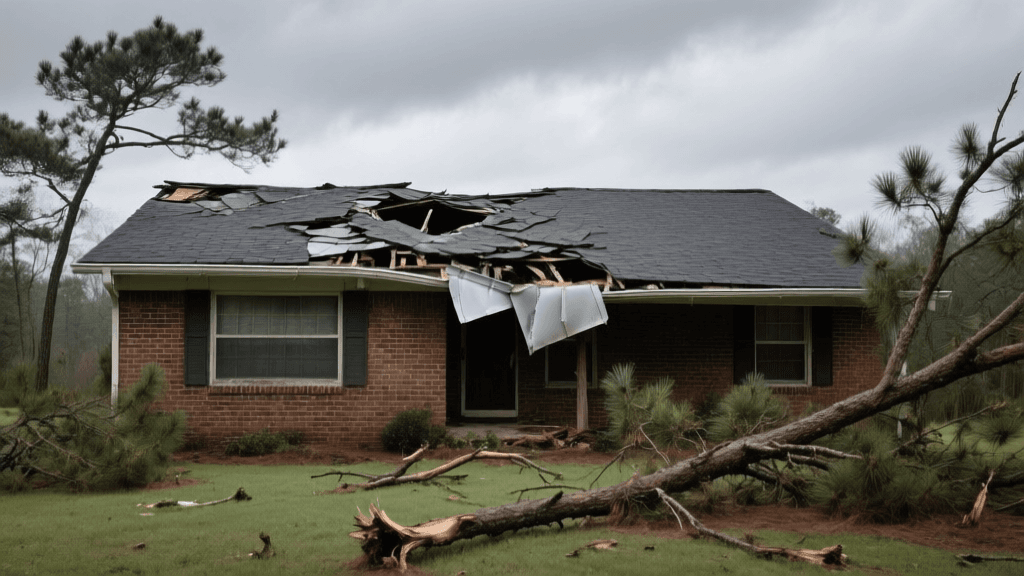
Wind & Hail Coverage in Woodstock, GA
Understanding Wind and Hail Deductibles for Woodstock, GA Homes
Wind and hail deductibles can be calculated differently from a standard homeowners deductible, and the details in the po...
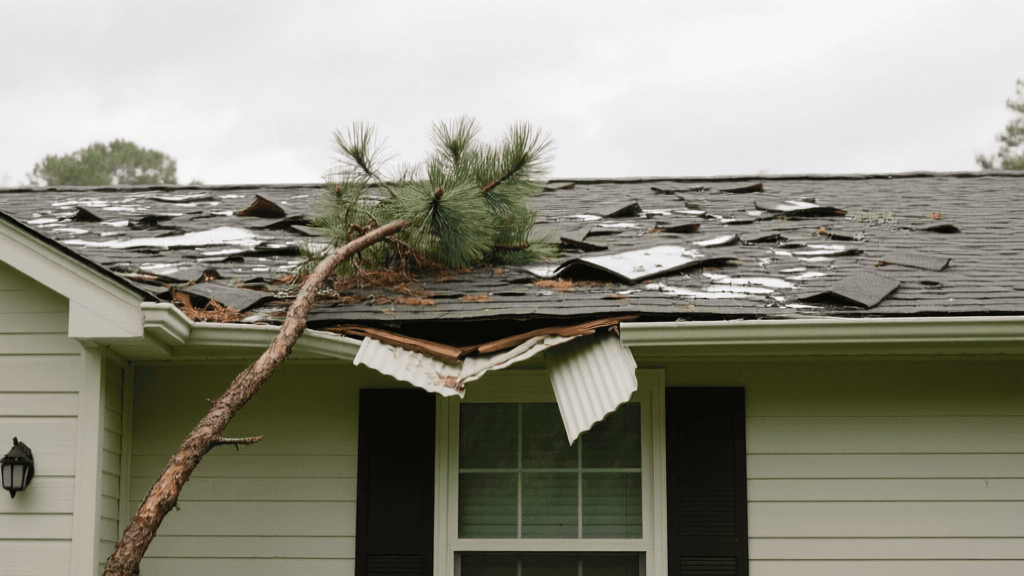
Wind & Hail Coverage in Woodstock, GA
Wind and Hail Damage: What Woodstock, GA Homeowners Should Know
Wind and hail can damage Woodstock homes in ways that are not immediately obvious, from lifted shingles to dented gutter...