Why Wind and Hail Deductibles Deserve a Close Look
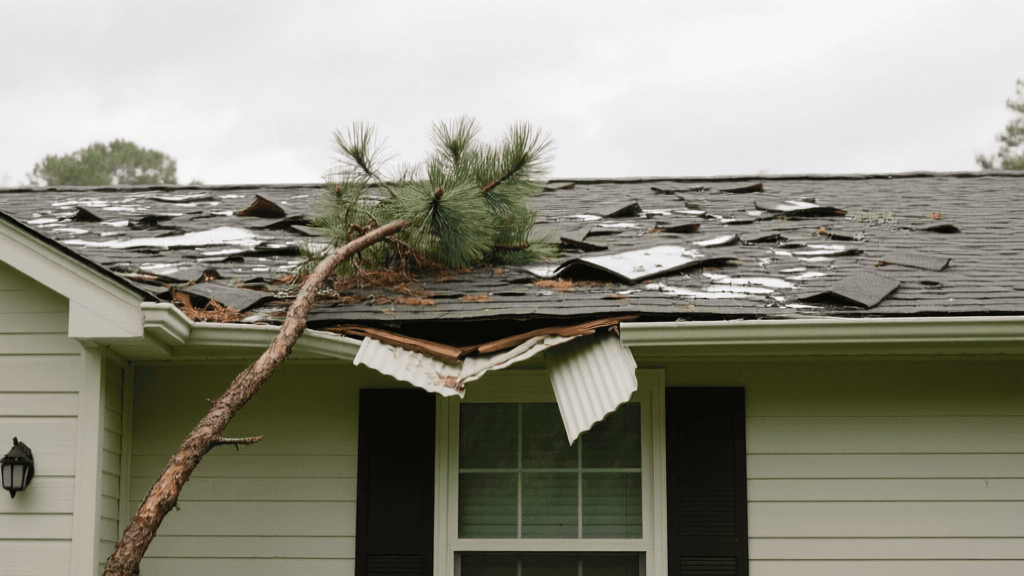
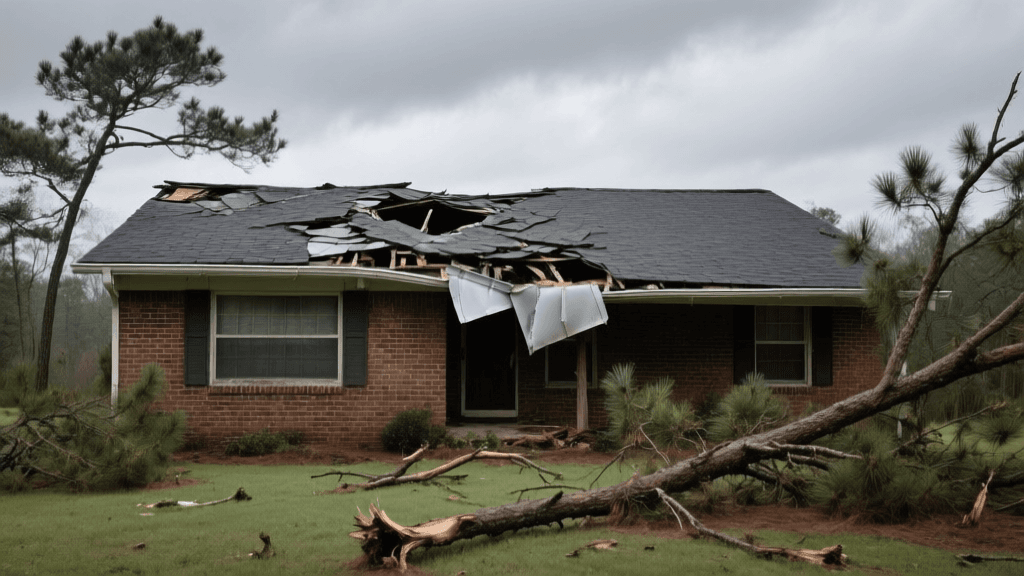
A damaged roof can turn a fast-moving Woodstock thunderstorm into a significant household expense. Before a storm arrives, it helps to know whether wind or hail damage uses the same deductible as other covered losses or a separate deductible with a different calculation. A deductible is the amount the policyholder is responsible for paying on a covered claim before insurance pays the remaining eligible amount, subject to policy limits and terms. This guide explains how these deductibles may be structured, where to look for the details, and how to compare the financial exposure—not just the monthly premium—when reviewing homeowners coverage in Woodstock, Georgia.
How Storm Deductibles Can Be Structured
Some homeowners policies apply one fixed-dollar deductible to many types of claims. Others may specify a separate wind or hail deductible, which can be a fixed amount or a percentage of the insured dwelling limit. With a percentage deductible, the calculation is generally tied to the home’s insured coverage amount rather than the eventual repair bill. For example, a 1% deductible on a dwelling limit of $400,000 would equal $4,000, if that is how the policy defines the calculation. The example is illustrative only; actual terms vary. Do not assume a percentage applies to the home’s market value, or that every wind-related loss is treated the same way.
Find the Exact Terms in Your Policy
Start with the declarations page, which typically summarizes insured limits, deductibles, and selected coverage. Then read the policy endorsements and the sections describing deductibles, covered causes of loss, and roof settlement. Search the document for terms such as windstorm, hail, wind-driven rain, named storm, and percentage deductible, but read the surrounding language rather than relying on a keyword alone. Check whether the special deductible applies per occurrence, whether a minimum dollar amount is stated, and whether the policy distinguishes wind from other storm damage. If wording is unclear, ask the insurer or a licensed insurance professional to explain it in writing.
Compare the Claim Cost, Not Just the Premium
A lower premium may come with a higher deductible, so compare what a realistic repair could mean for your household budget. Imagine hail damages shingles and gutters, with an approved covered repair estimate of $12,000. If the applicable deductible is $2,000, the policy may pay eligible costs above that amount, subject to coverage terms. If a percentage-based deductible calculates to $4,000, the homeowner’s initial share could be higher. These figures are examples, not predictions of claim payment. When comparing options, record the annual premium, each applicable deductible, dwelling limit, roof settlement terms, and any relevant exclusions. Consider whether you could comfortably pay the deductible soon after an unexpected loss.
Roof Age and Settlement Terms Matter Too
The deductible is only one part of the financial picture. A policy may describe how roof damage is valued, including whether eligible repairs are settled on a replacement-cost or actual-cash-value basis. Actual cash value generally accounts for depreciation, while replacement-cost coverage may pay eligible replacement expenses under stated conditions, sometimes after initial payment and completion of repairs. The exact definition and claim process depend on the contract. Roof age, maintenance history, materials, and documentation may also affect how a loss is evaluated. Keep receipts for roof work, take periodic photographs, and ask how the policy treats older roofing materials so the deductible is not mistaken for the only possible out-of-pocket cost.
Woodstock Storm Conditions and Local Planning
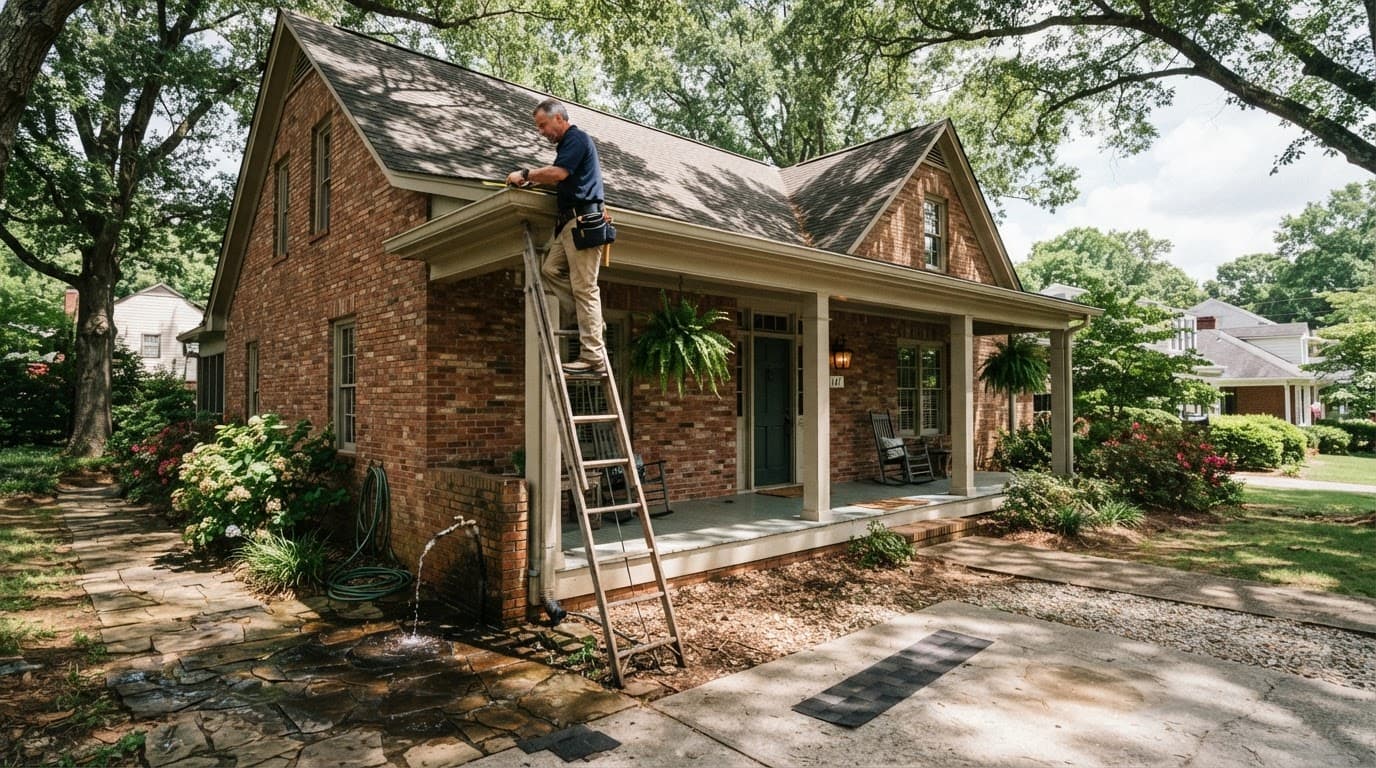
Woodstock and nearby Cherokee County communities can experience strong thunderstorms, gusty winds, and hail, particularly during unsettled spring and summer weather. A storm may affect one part of town differently from another, so neighbors can have different damage and claim circumstances even after the same weather event. Homes in Canton, Holly Springs, and Acworth face the same practical need to understand their own policy wording rather than rely on a neighbor’s deductible. Keep the declarations page accessible, note the insurer’s claim contact information, and photograph the exterior periodically in fair weather. After a storm, document visible damage safely from the ground and arrange a qualified inspection when needed.
A Practical Policy Review Checklist
- Identify whether wind or hail has a separate deductible and confirm whether it is a fixed amount or a percentage of a stated coverage limit.
- Review roof settlement provisions, exclusions, and any conditions that apply to repairs or replacement.
- Compare premiums and deductibles side by side, then decide whether the possible claim cost fits your emergency savings.
- Save policy documents and pre-storm home photographs somewhere accessible, and keep receipts for maintenance and roof improvements.

What to Do Before and After a Hail or Wind Loss
Before severe weather, review the current policy and ask questions while there is time to compare choices. Confirm the deductible that would apply to wind and hail, how it is calculated, and whether the roof has special settlement terms. After suspected damage, take reasonable steps to prevent further harm, such as arranging temporary protection when safe, and keep receipts for those expenses. Photograph damage from safe locations, record the date of the storm, and contact the insurer promptly to understand reporting requirements. Avoid signing repair agreements you do not understand or assuming a contractor can determine coverage. The insurer evaluates the claim under the policy; keep copies of estimates, correspondence, and claim decisions.
Compare Coverage With Your Budget in Mind
For Woodstock homeowners, the best comparison is one that makes both the routine cost and the storm-loss exposure clear. Gather the declarations pages for the options you are considering and compare the dwelling limit, wind and hail deductible, roof provisions, and annual premium using the same assumptions. Ask for clarification when a percentage or endorsement is unclear, and request an explanation of how the deductible would apply to a typical covered loss. Coverage availability and terms depend on the insurer, property, and policy. This guide is general information, not a coverage determination; the policy contract controls. A careful review now can help you choose protection that matches your home and your ability to absorb an unexpected expense.
Review Your Home’s Storm Deductible
Compare the deductible, roof terms, and premium in your current policy before the next storm arrives.
Get a Free Quote