Why Roof Condition Matters for Woodstock Homeowners
A roof does more than keep rain out; it is one of the first parts of a home insurers assess when considering property coverage and storm claims. In Woodstock, heavy rain, gusty thunderstorms, falling branches, and occasional hail can test shingles, flashing, and gutters. Roof age alone does not determine whether a loss is covered, but age combined with wear, prior repairs, and maintenance history can influence underwriting decisions and claim evaluations. Understanding the difference between sudden storm damage and gradual deterioration can help homeowners set realistic expectations. This guide explains what to inspect, what to document, and which policy details to check before the next storm.
How Insurers Consider Roof Age and Condition
Insurers may ask when a roof was installed, what material it uses, and whether it has visible damage or a record of recurring leaks. Older shingles can become brittle, lose protective granules, or curl at the edges, making it harder to distinguish new storm damage from long-term wear. Depending on the insurer and policy, roof losses may be settled using replacement cost or actual cash value, which accounts for depreciation; some policies may also apply a roof-specific payment schedule or restriction. These terms vary, so there is no universal age at which coverage ends. Woodstock homeowners should review their declarations and endorsements and ask how the roof settlement method applies to their particular home.
Separate Storm Damage From Wear and Tear
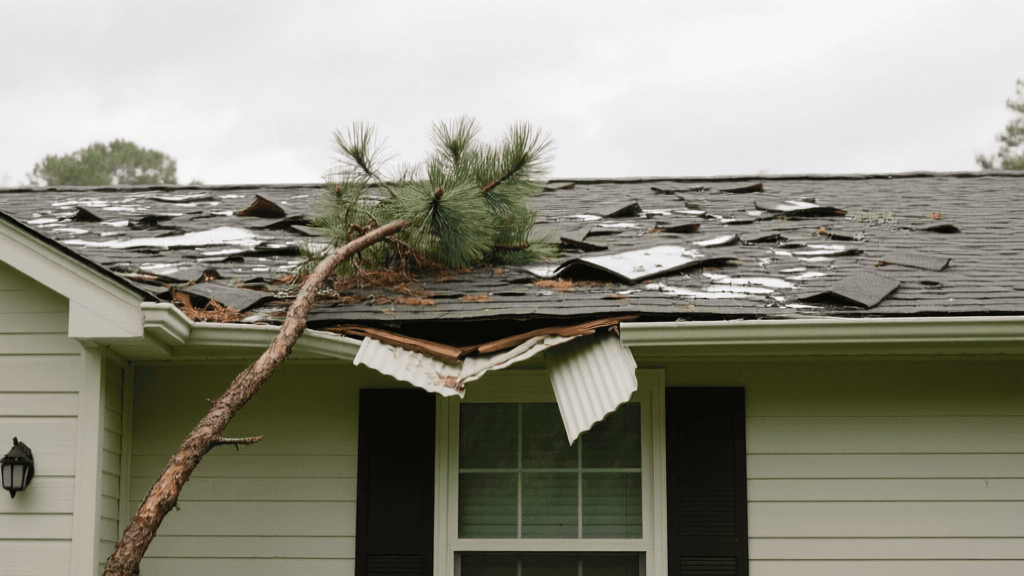
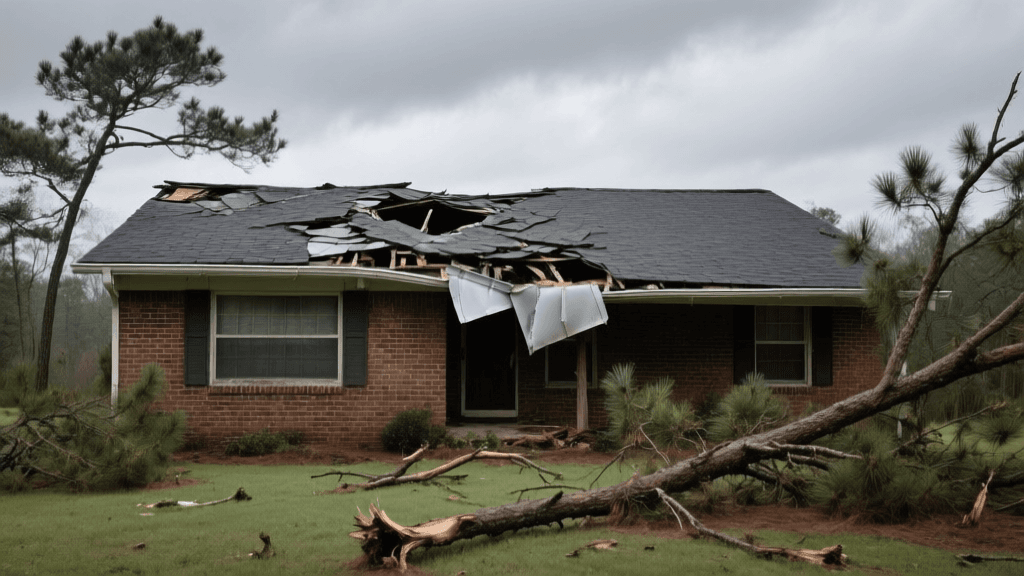
A wind or hail claim generally concerns damage from a covered event, while gradual deterioration and deferred maintenance are commonly treated differently under homeowners policies. For example, a storm might lift shingles and allow water into an attic, while an old, unrepaired flashing gap may have caused a slow leak before the storm arrived. An adjuster may look for impact marks, missing or creased shingles, damaged vents, interior staining, and evidence of earlier repairs. If damage appears after severe weather, photograph it from safe locations and take reasonable steps to prevent further water entry, such as placing a temporary tarp through a qualified professional. Keep receipts and avoid permanent repairs until the damage has been documented and the claim process is understood.
Roof Materials, Repairs, and Replacement Choices
Asphalt shingles are common in Woodstock, but homes may also have metal, tile, or other roofing systems, each with different maintenance needs and repair methods. Insurers may ask about the material, installation date, and whether work was completed by a licensed or otherwise qualified contractor, depending on local requirements and the carrier's rules. Keep the final invoice, scope of work, permit records when applicable, and any product or workmanship warranties. If replacing a roof, ask the contractor to identify the materials and installation details in writing, and tell the insurer about the completed work. A new roof may affect underwriting or pricing, but savings are not automatic; the insurer must confirm how the specific roof and policy are treated.
Practical Roof Maintenance Before Storm Season
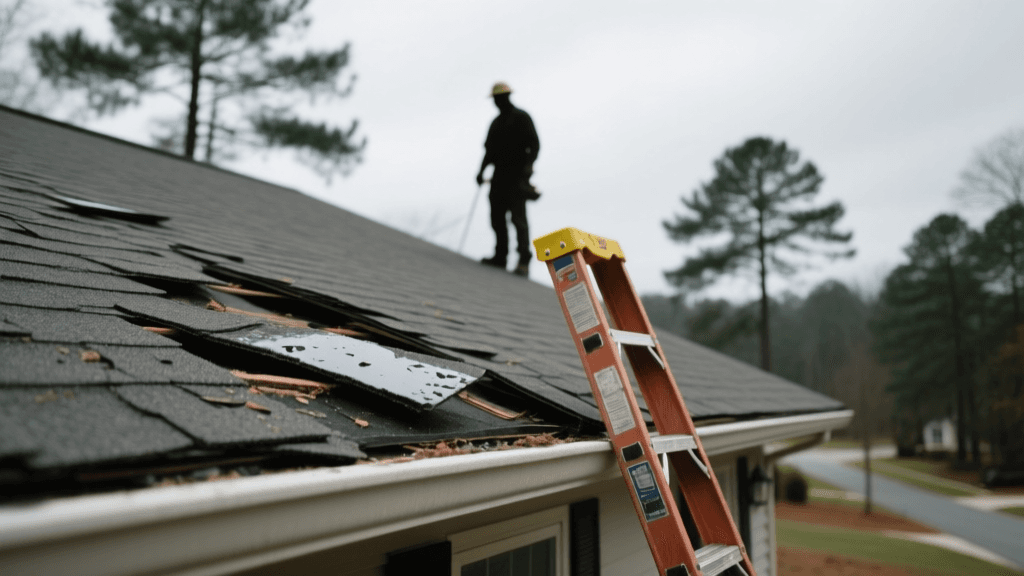
Routine maintenance can catch small problems before they become interior water damage. From the ground, look for uneven roof lines, missing shingles, debris, and sagging gutters; do not climb onto a wet or steep roof to inspect it. Have a qualified roofing professional assess concerns such as loose flashing, exposed fasteners, damaged pipe boots, or shingles nearing the end of their useful life. Clean gutters and downspouts so water drains away from the home, and trim branches that could scrape the roof or fall during high winds. After a storm, check ceilings and attic areas for fresh stains if it is safe to do so. Addressing a small issue promptly can limit additional damage, though maintenance cannot prevent every covered loss.
What to Document Before and After a Storm
A simple home record can make it easier to describe a roof's condition and the timeline of a loss. Save dated photographs of the roof from the ground, contractor inspection reports, invoices, warranty information, and notes about completed repairs. Store copies somewhere separate from the home, such as secure cloud storage. If a storm causes suspected damage, record the date, photograph visible conditions without taking safety risks, and keep a list of affected rooms and belongings. Save receipts for reasonable emergency measures and communicate with the insurer promptly using the contact method stated in the policy. Be careful not to discard damaged materials before they have been inspected unless safety or urgent mitigation requires removal; ask the insurer how to preserve evidence.
Local Considerations in Woodstock and Nearby Communities
Woodstock's tree-lined neighborhoods and changing seasons make roof drainage and branch management especially practical concerns. A canopy that provides shade can also drop limbs or leaves, while wind-driven rain can expose weaknesses around roof edges, valleys, vents, and chimneys. Homes in nearby Canton, Holly Springs, and Acworth may encounter similar storm conditions, but the age, design, and exposure of each property differ. Review the roof as part of a broader home check that includes gutters, siding, attic ventilation, and drainage near the foundation. Local weather alerts are a useful prompt to prepare, not a substitute for an inspection. After a severe storm, rely on qualified professionals and avoid anyone pressuring you to sign documents or make an immediate claim decision.
A Woodstock Roof Readiness Checklist
- Confirm the installation year, roofing material, and most recent repair dates, then keep supporting records with your home documents.
- Review whether the policy settles roof damage at replacement cost or actual cash value and check for roof-specific limits, deductibles, or endorsements.
- Arrange a qualified inspection if shingles are curling, flashing is loose, leaks recur, or the roof has not been assessed in several years.
- Clear gutters and address overhanging branches safely; hire professionals for work that requires climbing or roof access.
- After a storm, photograph visible damage, prevent further water intrusion when safe, save receipts, and contact the insurer promptly.

Next Steps: Review the Policy and Compare Options
Start by locating the declarations page and any endorsements that address roof settlement, wind or hail deductibles, exclusions, and claim deadlines. Ask clear questions about how the policy would handle damage to an aging roof, whether matching materials are addressed, and what documentation is useful after a loss. If comparing homeowners insurance, provide accurate roof age and repair details so quotes reflect the home's actual condition rather than assumptions. Coverage terms, eligibility, and pricing differ by insurer, and a quote is not a guarantee that a particular claim will be paid. For Woodstock homeowners, pairing a careful policy review with routine roof upkeep and organized records is a practical way to prepare for storms and make informed decisions.
Make Your Roof Coverage Easier to Understand
Review your roof records and policy terms, then compare coverage options that fit your Woodstock home.
Get a Free Quote