Why Storm Season Prep Matters in Marietta
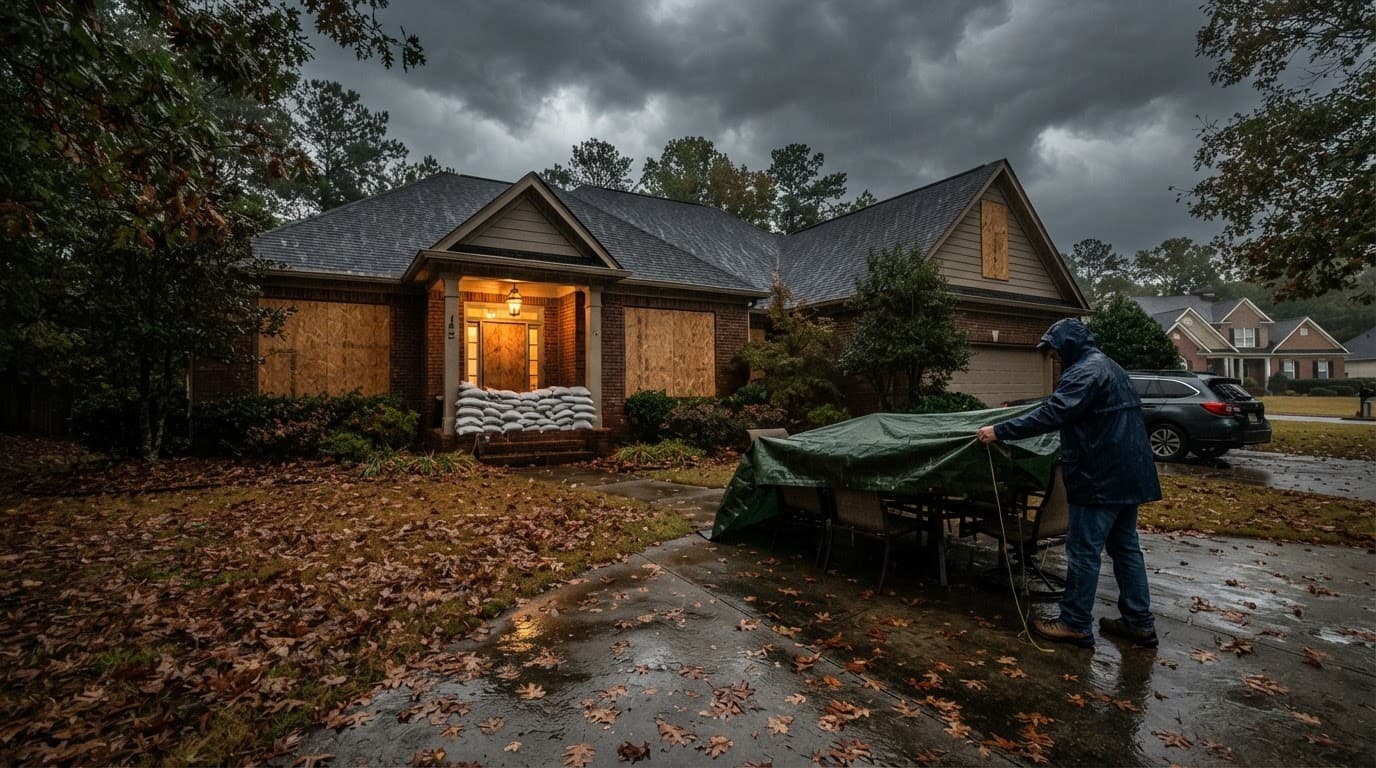
Storm season in Marietta, GA can bring fast-moving thunderstorms, heavy rain, hail, strong wind, and sudden tree damage that leave homeowners dealing with expensive repairs. The problem is that many people do not discover a coverage gap until after shingles are missing, water is entering through the attic, or a fence has blown into a neighbor’s yard. A good home insurance checklist helps before the weather turns severe. It gives homeowners a chance to confirm limits, understand deductibles, update home records, and make sure claim documentation will be ready if damage happens. A little review now can save time, stress, and out-of-pocket cost later.
What Makes Storm Risk Different Around Marietta
Marietta homeowners face a mix of weather risks that make storm preparation especially important. Older neighborhoods may have mature trees that increase the chance of limb and roof damage during wind events, while newer homes may still need careful review for roof age, siding materials, and drainage concerns. Across Cobb County, storm losses are often not just about one dramatic event. Repeated smaller claims from wind-driven rain, hail bruising, clogged gutters, or power-related food spoilage can add up. That is why residents in Marietta, Kennesaw, Smyrna, and Roswell benefit from reviewing insurance before spring and summer storms arrive, rather than waiting until watches and warnings are already being issued.
Start With the Dwelling and Roof Portion of the Policy
The first item on any storm season checklist is the part of the policy that covers the house itself. Check whether the dwelling limit still reflects current rebuilding costs in the Marietta area, not what the home would sell for. Construction pricing, labor, and materials can change quickly, especially after a regional storm when roofers and contractors are in high demand. It is also smart to review how the policy handles roof damage. Some policies settle roof losses differently based on age or condition, and some may apply special wind or hail terms. Homeowners should also confirm coverage for attached structures such as garages, decks, screened porches, and built-in outdoor features.
Review Other Structures, Personal Property, and Loss of Use
Storm claims often involve more than just the roof. Fences, detached sheds, workshops, gazebos, and even mailbox structures can be damaged by wind or falling trees, so review the policy section for other structures and make sure the limit is realistic. Personal property matters too. If a storm sends water through a damaged roof and into a bedroom or living room, furniture, electronics, and clothing may all be affected. Check whether the personal property limit still fits what is actually inside the home. Finally, look at loss of use coverage. If major repairs make the home temporarily unlivable, this part of the policy may help with added living expenses while work is completed.
Know Your Deductible Before You Need to File a Claim
Many homeowners remember their monthly premium but are less clear on their deductible, and that can create unpleasant surprises after a storm. Review whether the policy uses a flat deductible or a separate wind or hail deductible. Even a relatively modest roof or siding claim may feel very different depending on how that deductible is structured. Homeowners in Marietta should think about whether the deductible amount fits their emergency savings. If not, storm season is the right time to reconsider coverage options. It is also useful to understand when filing a claim makes sense. For smaller losses close to the deductible, paying directly for repairs may sometimes be the more practical choice.
Build a Simple Home Inventory and Documentation Folder
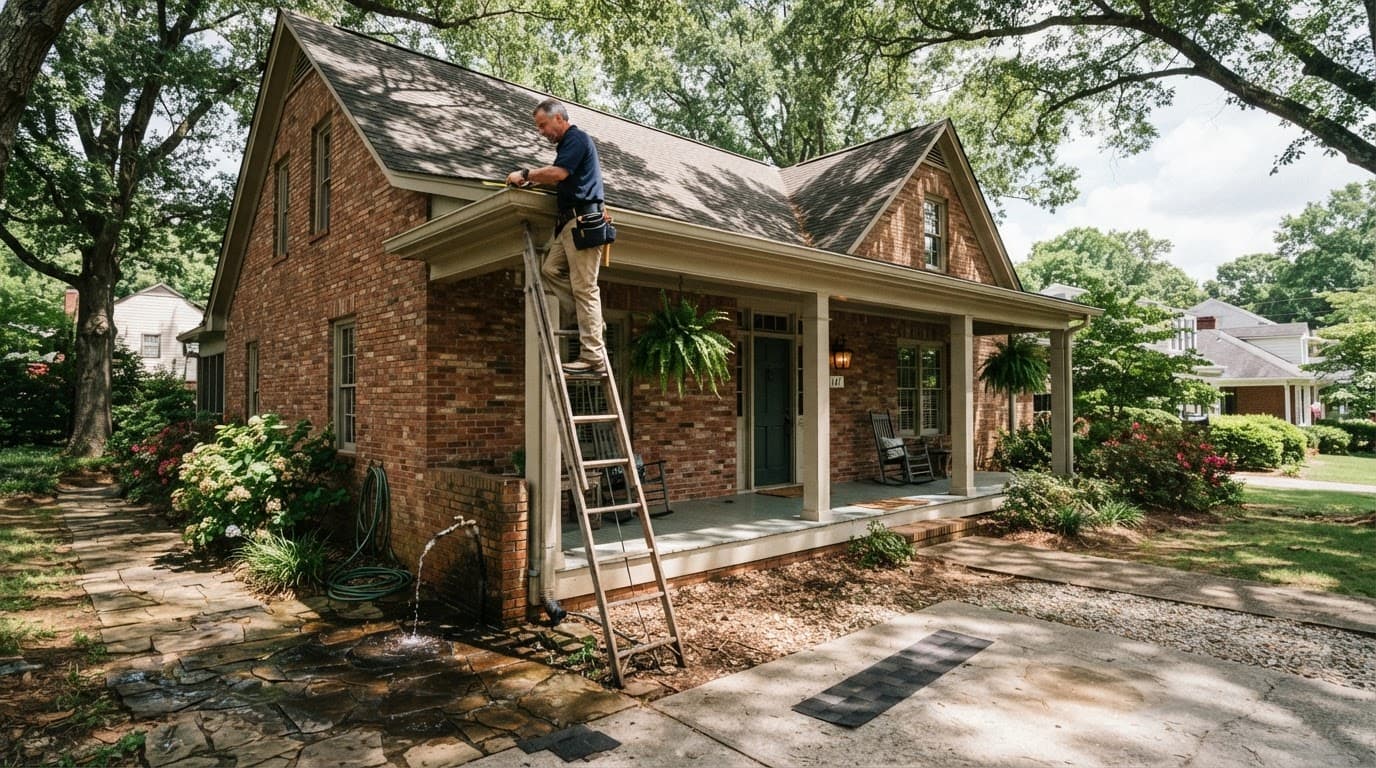
One of the most useful storm season tasks is creating a clear record of the home and belongings. Walk through each room with a phone and record video of furniture, appliances, electronics, flooring, and major upgrades. Open closets, cabinets, and storage spaces so the record is complete. For the outside, take current photos of the roof, siding, gutters, fencing, windows, and trees near the structure. Save receipts or notes for renovations such as a new roof, upgraded electrical system, or replacement HVAC unit. If a claim happens, this documentation can help show the home’s pre-loss condition and support a smoother discussion about damaged items, repairs, and replacement value.
Check for Water-Related Gaps That Storms Often Expose
A major source of confusion during storm season is the difference between rain entering because wind damaged the home and water rising from the ground or backing up through drains. Standard homeowners coverage may treat those situations very differently. Marietta residents should review whether they have any optional protection for sewer or drain backup, sump overflow if applicable, and other water-related concerns. Flood coverage is typically separate from standard homeowners insurance, so homes near lower-lying areas, creeks, or spots with recurring drainage issues should not assume all storm water damage is automatically covered. This is especially worth reviewing for properties that have seen pooling, runoff, or grading problems during past heavy rains.
Why This Checklist Is Especially Relevant in Marietta
Marietta’s mix of established neighborhoods, wooded lots, and seasonal severe weather makes storm prep very local. Homes near heavily treed streets may face more limb impact risk, while properties with sloped yards or aging drainage systems may be more exposed to runoff after intense rain. This matters not only in Marietta but also in nearby communities such as Woodstock, Acworth, Kennesaw, and Canton, where storm patterns can bring similar hail and wind concerns. Local homeowners should pay close attention to roof age, gutter maintenance, and tree trimming because insurers often look closely at maintenance-related factors when evaluating damage. Storm readiness is not just about the policy on paper; it is also about the condition of the property when weather hits.
Key Takeaways Before the Next Severe Weather Alert
Storm Season Checklist
- Review the dwelling limit and roof settlement terms so the home is insured for realistic rebuilding costs in the Marietta area.
- Confirm limits for detached structures, personal property, and temporary living expenses in case repairs force you out of the home.
- Check the deductible carefully, especially if the policy uses separate wind or hail deductibles that affect claim payouts.
- Create a photo and video record of the house, roof, yard, and major belongings before any storm damage occurs.
- Look for water-related gaps, including backup or flood exposure, because not all storm water losses are handled the same way.
- Keep receipts for upgrades and maintenance so there is a clear record of the home’s condition before a claim.

What to Do Next
If storm season is approaching, the best next step is to pull out the declarations page and compare it against the actual condition of the home. Check the roof age, take updated exterior photos, note any recent improvements, and make a short list of coverage questions that need clarification. Homeowners in Marietta can also compare policy options to see whether deductibles, endorsements, and property limits still fit their risk and budget. The goal is not simply to carry insurance, but to carry coverage that makes sense for how the home would actually be repaired after wind, hail, or heavy rain. That review is much easier to do now than in the middle of an active claim.