Why Liability Limits Deserve a Closer Look
A homeowners policy can help protect a Woodstock household if someone claims the homeowner is legally responsible for an injury or accidental damage to another person’s property. Personal liability coverage may help pay covered legal costs, settlements, or judgments, up to the policy limit. The right limit is not automatically the lowest available option or a number based only on the home’s market value. It should reflect the household’s finances, activities, and tolerance for risk. This guide explains the questions to ask, what an umbrella policy can add, and when it makes sense to review limits in Woodstock, Georgia.
What Personal Liability Coverage Does
Personal liability coverage generally applies when a covered claim alleges that an insured person caused bodily injury or property damage to someone else. For example, a visitor might be injured after slipping on an icy or wet walkway, or a household member could accidentally damage a neighbor’s property. The policy can provide a legal defense for covered claims and pay covered damages, subject to its terms, exclusions, and limit. It is different from medical payments coverage, which may pay smaller eligible medical expenses for a guest regardless of fault. Read the policy wording carefully: business activity, intentional acts, certain animals, and motor vehicle incidents may be excluded or addressed elsewhere.
Start With Assets and Financial Exposure
A useful starting point is to list financial resources that could be exposed to a liability judgment, such as savings, taxable investments, and other property interests. Also consider income and future earning capacity, since a serious claim can involve costs that exceed a basic policy limit. This is not a precise formula: legal protections, ownership arrangements, and what a claimant may pursue depend on the facts and applicable law. A Woodstock homeowner with substantial savings or a growing investment portfolio may want to compare higher liability limits with the additional cost. Avoid assuming the home itself is the only asset that matters, and consult qualified legal or financial professionals for advice about asset protection.
Look Beyond the House Itself
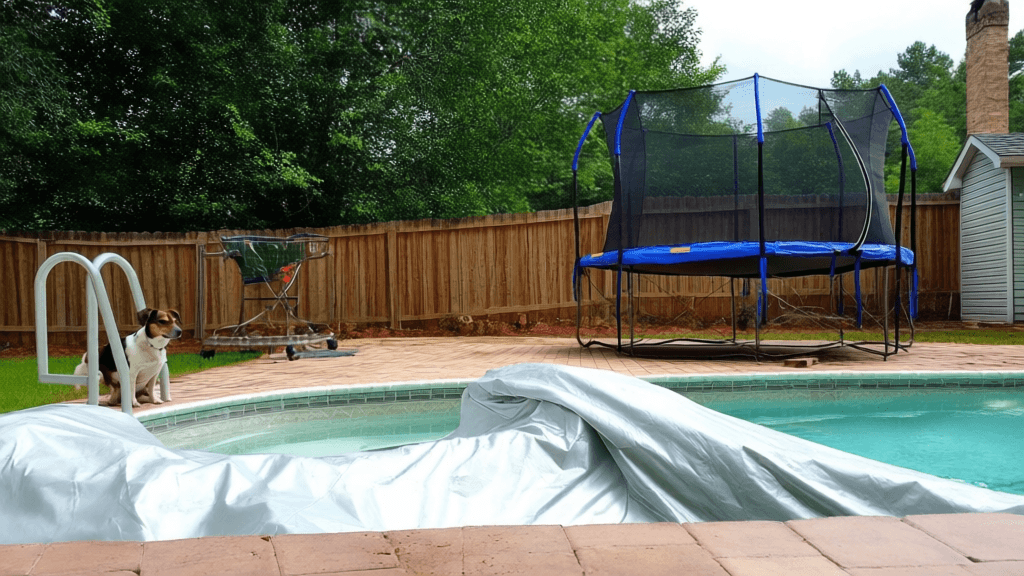
Everyday activities can create liability exposures that are easy to overlook during a routine renewal. Think about how often guests visit, whether children have friends over, and whether the household has a dog, trampoline, pool, or other feature that could affect injury risk. A backyard gathering in Woodstock may mean more guests moving through the home and yard, while a pet may encounter visitors or neighbors during walks. These details do not automatically make a claim likely, but they are reasons to ask the insurer how the policy treats specific circumstances. Disclose relevant features accurately, review exclusions, and ask whether safety measures or separate coverage are needed.
Compare Limits and Umbrella Coverage
Home policies offer stated liability limits, and available choices vary by insurer and policy. Compare the cost of moving to a higher homeowners limit with the price and requirements of a personal umbrella policy. An umbrella policy can add liability protection above underlying policies, often including homeowners and auto coverage, but it generally requires minimum underlying limits and may have its own exclusions. It does not simply cover every loss that a home policy excludes. For a household with teenage drivers, frequent visitors, or significant savings, reviewing both policies together can reveal gaps or conditions. Ask for written details about required underlying limits, covered household members, and how defense costs affect the umbrella limit.
Review the Policy After Major Changes
A limit that suited a household several years ago may no longer fit after a major financial or lifestyle change. Revisit coverage after buying a home, receiving an inheritance, building savings, starting a side business, adding a swimming pool, or welcoming a teen driver. A new business may require specialized liability coverage rather than relying on a standard homeowners policy, so explain the activity before assuming it is covered. In Woodstock, changes such as adding a deck for entertaining or adopting a dog are practical prompts for a policy review, too. Keep a current list of household exposures and discuss it at renewal or when circumstances change; waiting for the next annual notice can leave important questions unanswered.
Local Considerations for Woodstock Households
Woodstock households have varied living arrangements, from established neighborhoods to newer homes and properties with larger yards. A household near downtown Woodstock may host visitors for meals or gatherings, while a home with outdoor amenities may involve different guest-safety considerations. People commuting between Woodstock, Canton, Kennesaw, and Marietta may also want to review homeowners and auto liability as a coordinated set, especially when considering an umbrella policy. Local conditions do not determine a particular limit, and no single number fits every Cherokee County household. Instead, use the home’s features, regular activities, family drivers, assets, and insurer requirements to guide a focused conversation about appropriate protection.
A Practical Checklist Before Choosing a Limit
Questions to Discuss
- What liability limit is currently listed on the homeowners declarations page, and what higher limits are available?
- Which household assets, activities, pets, or property features could affect the family’s exposure?
- What exclusions or conditions apply to pools, trampolines, home businesses, animals, and guest injuries?
- Would an umbrella policy require higher underlying homeowners or auto limits, and what does it exclude?
- What changes since the last renewal should be reported, including renovations, new drivers, or financial milestones?

How to Take the Next Step
Gather the current homeowners declarations page, any umbrella policy documents, and a brief list of household assets and activities before comparing options. Ask the insurer or a licensed insurance professional to explain the difference between available liability limits, the treatment of legal defense costs, relevant exclusions, and umbrella eligibility. Compare the price of added protection against the household’s financial circumstances rather than selecting a limit based only on a neighbor’s choice. Confirm that information about the home and household is accurate, and request policy terms in writing. Because insurance wording and personal financial situations differ, this guide is general information, not legal, tax, or individualized insurance advice.
Review Your Liability Protection
Compare your current homeowners and umbrella policy terms with your household’s assets, activities, and recent changes.
Get a Free Quote