Why These Two Coverages Are Easy to Confuse
If a visitor slips on a wet porch in Woodstock, the homeowner may wonder whether the home insurance policy can help with the resulting medical costs. Two coverages often come up: personal liability and medical payments to others. They are not interchangeable, and neither should be assumed to cover every injury. Medical payments coverage may address certain smaller guest medical expenses without requiring a liability lawsuit, while personal liability generally concerns the insured’s legal responsibility for bodily injury or property damage. The distinction matters when reviewing limits, exclusions, and the claims process. This guide explains how each may apply and what Woodstock homeowners can check in their policy.
The Basic Difference Between Liability and Medical Payments
Personal liability coverage is designed for situations in which an insured may be legally responsible for another person’s bodily injury or property damage. A covered claim could involve legal defense costs and an amount the insured is legally obligated to pay, subject to the policy. Medical payments to others, sometimes called Coverage F, is typically a smaller, limited benefit for qualifying medical expenses when a guest is accidentally injured, regardless of fault in many common situations. Actual wording controls, and exceptions apply. For example, coverage can differ for household members, injuries connected to business activity, or incidents involving certain animals. Treat these as separate policy protections, not two names for the same benefit.
When Medical Payments Coverage May Be Relevant
Medical payments coverage may be useful when a visitor has an accidental, relatively minor injury at the home and needs eligible medical attention. Imagine a neighbor catching a toe on a loose step during a visit and getting checked at a clinic. Depending on the policy, the coverage could help with qualifying expenses up to its stated limit, without first determining that the homeowner was legally negligent. It is not a substitute for health insurance, and it does not automatically pay every bill. Homeowners should check who qualifies as an insured or guest, the time allowed for treatment, expense definitions, exclusions, and the per-person limit. Promptly documenting what happened and keeping receipts can help clarify a possible claim.
When Personal Liability Coverage May Come Into Play
Personal liability may become important when an injured person alleges that the homeowner’s failure to use reasonable care caused the injury. For instance, a delivery visitor might claim that a damaged walkway was left unrepaired despite being known to the household. If the claim is covered, the policy may provide a legal defense and help pay covered damages for which an insured is legally responsible, up to the applicable limit. Coverage is not an admission of fault, and a claim’s facts and policy terms determine the result. Liability limits are often larger than medical payments limits, but homeowners should verify their own declarations page and consider whether their assets, household activities, or risks call for additional protection.
Three Practical Questions to Ask About a Guest Injury
Start by identifying who was injured, where the incident occurred, and what activity was underway. A social visit at a Woodstock home may be treated differently from an injury involving paid work, a home business, or a person who lives in the household. Next, ask whether the issue is a limited medical expense or a claim that the homeowner is legally responsible. The distinction can point toward which coverage needs review, but it does not decide coverage on its own. Finally, check the policy’s reporting instructions and notify the insurer promptly if an incident may lead to a claim. Keep photographs, witness contact information, and incident notes factual, and avoid promising payment or speculating about fault.
Local Considerations for Woodstock Homeowners
Woodstock households host visitors for everyday gatherings, backyard meals, and seasonal events, and property layouts vary from established neighborhoods to newer developments. Rain can leave steps, decks, and walkways slick, while uneven pavers, low lighting, or clutter can create trip hazards. Those conditions do not automatically establish legal responsibility, but they are practical reasons to inspect paths, handrails, outdoor lighting, and pool or play areas. Homeowners in nearby Canton, Holly Springs, and Ball Ground may face similar maintenance questions. Georgia liability law and an individual policy’s wording both matter; no general description can establish how a specific claim will be handled. A local review can help identify questions to raise about limits and exclusions.
Policy Details Worth Reviewing Before an Accident
Review These Details
- Compare the medical payments limit with typical local costs for urgent care, imaging, or follow-up treatment, and confirm which expenses qualify.
- Check the personal liability limit, defense provisions, and whether an umbrella policy could provide additional liability protection above underlying coverage.
- Read exclusions and definitions for household residents, animals, home businesses, recreational equipment, and injuries connected with work at the property.
- Confirm how quickly an incident must be reported, what records to preserve, and whether the insurer requires approval before settling or paying expenses.

What to Do After Someone Is Injured at Home
First, make sure the person receives appropriate medical attention and address any immediate hazard so nobody else is hurt. Record the date, location, conditions, and names of witnesses while details are fresh; photographs can document the area without assigning blame. Notify the insurer according to the policy’s instructions, even if the injury seems minor, because later treatment or a demand may arise. Keep copies of bills, messages, and any correspondence, and avoid discussing a settlement before understanding the policy and the circumstances. The insurer can explain what documentation is needed and investigate the facts. If a demand becomes complex or legal papers arrive, seek qualified legal advice promptly and observe any response deadlines.
Choose Limits With Your Household’s Risks in Mind
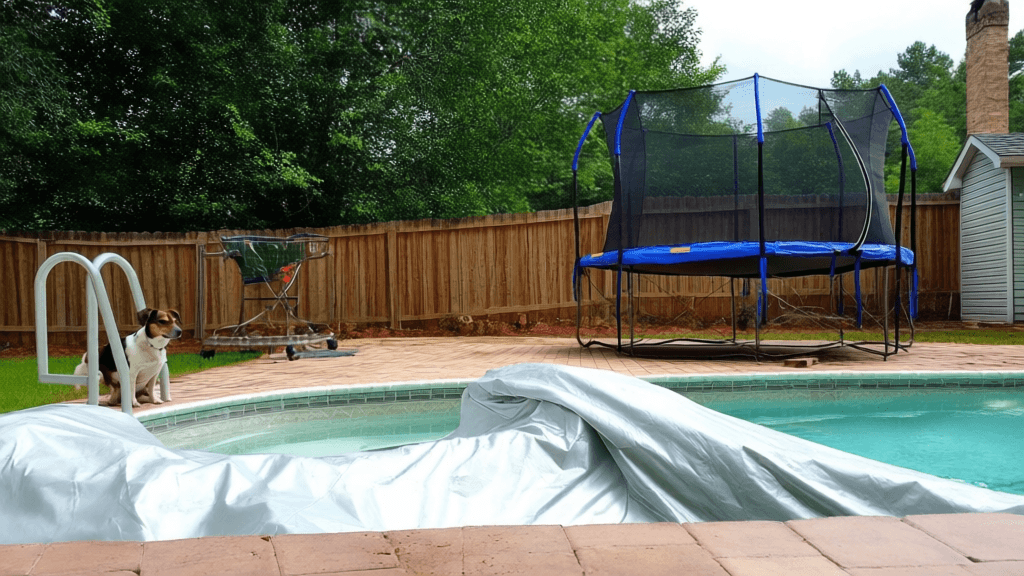
There is no single liability limit that fits every Woodstock household. Consider the home’s features, how often guests visit, whether children or pets are present, and the financial assets that could be exposed to a serious uncovered or underinsured claim. Review both coverages together, but do not assume that increasing medical payments limits replaces adequate personal liability protection. Ask for a clear explanation of the limit choices, deductible implications if relevant, exclusions, and whether an umbrella policy requires specific underlying limits. Comparing policy options is most useful when the same facts and coverage limits are used for each comparison. Revisit the decision after renovations, a new pool or trampoline, a change in household circumstances, or a significant change in property use.
Review Your Home Injury Coverage
Compare your policy limits and exclusions, then ask a licensed insurance professional how the terms may apply to your Woodstock home.
Get a Free Quote