Why Backyard Liability Deserves a Closer Look
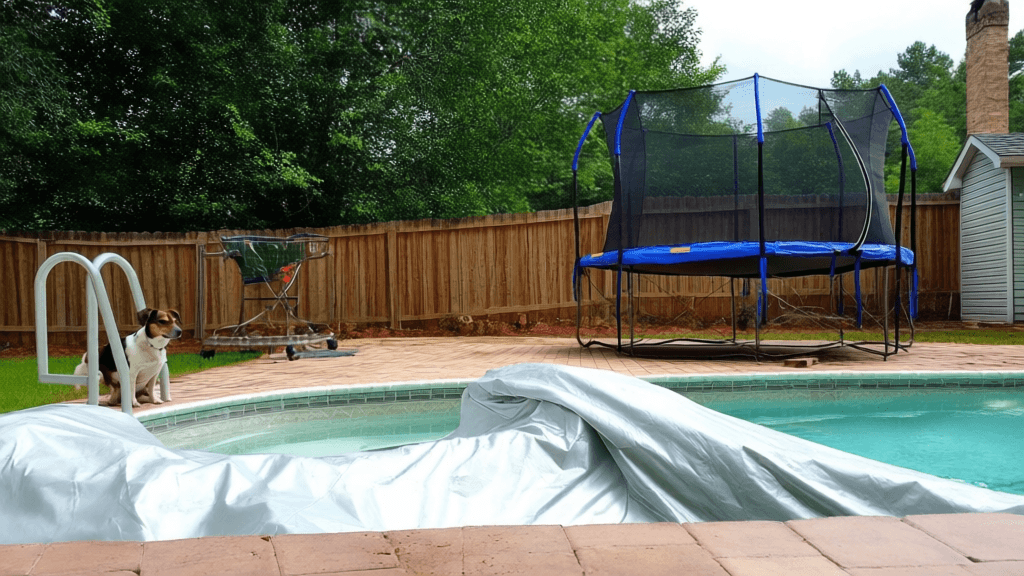
A pool, a family dog, or a trampoline can make a Woodstock home more enjoyable, especially during warm Georgia months when children and guests spend more time outdoors. These features can also create situations where someone is injured and a homeowner is asked to pay medical costs or other damages. Homeowners liability coverage may help with covered claims, but the policy wording, exclusions, and circumstances matter. A liability limit is not a promise that every accident is covered. This guide explains what to review, how prevention can lower risk, and what details to raise with an insurer before a problem occurs.
What Personal Liability Coverage Generally Does
Personal liability coverage is generally intended to help when an insured is legally responsible for accidental bodily injury or property damage to someone else, subject to policy terms. It is different from medical payments coverage, which may pay limited medical expenses for an eligible guest without deciding fault. Neither coverage applies automatically to every incident. Insurers assess the property, household, prior claims, and activities, and policy forms can define exclusions differently. In Woodstock, where homes may have fenced yards, play equipment, and frequent family gatherings, it is useful to review the actual declarations and exclusions rather than relying on a general description of homeowners insurance.
Pools: Supervision, Barriers, and Policy Conditions
A pool injury can involve a fall, a diving accident, or an unsupervised child entering the water. Homeowners should maintain secure barriers, self-closing or self-latching gates where appropriate, and functioning pool equipment; they should also set clear rules about adult supervision and guest use. Keep rescue equipment accessible and avoid assuming that a fence alone resolves every safety or insurance concern. Requirements can depend on the pool, property, and applicable local rules, so verify current standards with the relevant authorities. Ask the insurer whether it requires particular barriers, covers, alarms, or maintenance practices, and document any updates made.
Dogs: Behavior, History, and Disclosure
A dog-related claim may arise from a bite, a knockdown, or another injury, and an insurer may consider the animal’s breed, behavior, and incident history when evaluating a home. Each company sets its own underwriting rules, so one insurer’s restrictions should not be assumed to apply universally. Tell the insurer about every dog in the household and disclose prior bites or other incidents accurately. Keep vaccinations current, use a leash where required, secure gates, and supervise interactions with visitors, especially children who may not recognize signs of stress. If a dog has shown concerning behavior, consult a qualified veterinarian or behavior professional and ask the insurer how the policy treats that situation.
Trampolines: Reduce Access and Check the Fine Print
Trampoline injuries can result from collisions, falls, or use by several people at once. A safety net, padded frame, stable placement, and clear household rules can help reduce hazards, but they do not eliminate the possibility of injury or ensure that a claim is covered. Some insurers may require a net or enclosure, restrict access, exclude trampoline-related claims, or decline homes with this equipment; others may evaluate it differently. Before buying or installing a trampoline, ask how it affects eligibility and liability coverage. If one is already on the property, describe its condition and safety features accurately, and do not assume that a guest’s use is covered simply because the equipment is in the backyard.
Exclusions, Limits, and Umbrella Coverage
An exclusion is policy language that removes coverage for a particular type of loss, person, activity, or circumstance. Read the liability section and endorsements for wording about animals, recreational equipment, pools, and business use; do not rely only on the summary page. Compare the personal liability limit with the assets and risks the household wants to protect. An umbrella policy may offer additional liability limits, but it generally has eligibility rules and may not restore coverage excluded by an underlying policy. Ask how underlying homeowners limits must be structured, whether the specific exposure is covered, and what conditions apply. Written answers from the insurer can help prevent misunderstandings later.
Local Considerations for Woodstock Households
Woodstock households may host neighborhood gatherings, family visits, and outdoor activities throughout the year, while hot summers can mean frequent pool use and more time in the yard. Homes in nearby Canton, Holly Springs, and Acworth may have different lot layouts, fencing, or community rules, but the same basic need applies: match the policy review to the actual property and activities. Check applicable city or county requirements for pool barriers and property improvements rather than assuming one rule fits every home. If renovations add a pool, replace a fence, or introduce play equipment, contact the insurer before work is complete. Early notice gives time to clarify eligibility, safety conditions, and any needed policy changes.
Practical Risk-Reduction Steps
A Home Liability Review Checklist
- Inventory pools, dogs, trampolines, and other activities on the property, then disclose them accurately when applying for or updating coverage.
- Read the policy’s liability exclusions and endorsements, and request clear written answers about any feature or animal that may be restricted.
- Use appropriate barriers, gates, equipment maintenance, supervision, and household rules to reduce preventable injuries.
- Review liability limits periodically and ask whether umbrella coverage is available and whether it would apply to the exposures being discussed.
- Notify the insurer before adding a pool, installing a trampoline, or making a major safety-related change to the property.

Questions to Ask Before You Need to File a Claim
When comparing or renewing homeowners coverage in Woodstock, describe the property plainly: mention a pool and its barriers, each household dog and any incident history, and any trampoline or other recreational equipment. Ask whether liability coverage applies to injuries involving each exposure, whether an exclusion or endorsement changes that answer, and what safety conditions must be maintained. Confirm the personal liability limit, medical payments limit, deductible where relevant, and any requirements for an umbrella policy. Request policy documents or written clarification rather than relying on an informal summary. If the answer is unclear, ask the insurer to explain the exact wording. A careful review can help identify gaps while there is still time to consider options.
Review Your Home’s Liability Details
Compare policy terms and ask an insurer how your pool, dog, or trampoline may affect coverage before an accident occurs.
Get a Free Quote