What Personal Liability Means for Woodstock Homeowners
A backyard gathering, a delivery at the front door, or a loose step can turn into an unexpected insurance question: what if someone is injured or their property is damaged, and you are considered responsible? Personal liability coverage on a homeowners policy may help with covered claims for accidental bodily injury or property damage to others, including certain legal defense costs. It is not a promise to pay every bill after an accident; the policy’s wording, exclusions, limits, and the facts all matter. For Woodstock homeowners, understanding the distinction between liability protection and medical payments can make it easier to respond calmly and know what questions to ask after an incident.
Why Liability Protection Matters Around the Home
Liability claims can arise from ordinary activities rather than dramatic events. A visitor might trip on a walkway, a child could accidentally damage a neighbor’s belongings, or a dog could injure someone. In a growing community such as Woodstock, households may host family, neighbors, contractors, and delivery workers throughout the year. More visitors can mean more chances for an accident, though responsibility is never automatic and depends on the circumstances and applicable law. Homeowners should keep walkways and stairs in good repair, address known hazards, and document maintenance. These practical steps do not replace insurance, but they can reduce risk and provide useful context if a claim is reported.
Common Accidental Injury and Property Damage Claims
Personal liability generally concerns harm to someone else, not damage to the insured’s own home or belongings. For example, if a guest is injured after a hazard the homeowner knew about was left unaddressed, a claim could raise questions about legal responsibility and coverage. If a household member accidentally damages a neighbor’s property, the policy may also be relevant, depending on its terms and the situation. Intentional harm, certain vehicle-related incidents, and other excluded activities are commonly outside standard homeowners liability protection. The exact exclusions vary, so avoid assuming that a familiar scenario is covered simply because it happened at home. Review the policy definition of insured persons, covered occurrence, exclusions, and limits.
Personal Liability Versus Medical Payments to Others
Medical payments to others is a separate homeowners coverage that may pay eligible medical expenses for an accidental injury to a guest, often without requiring proof that the homeowner was legally liable. It is typically intended for smaller, prompt expenses and has its own limit and conditions. Personal liability is different: it may respond when the insured is legally responsible for a covered injury or property damage, and may include defense costs subject to policy terms. Imagine a visitor who twists an ankle on a Woodstock porch. Medical payments may be worth asking about for immediate eligible treatment, while a liability claim could involve a separate evaluation of responsibility. Neither coverage should be treated as unlimited or automatic.
Where Homeowners Liability Coverage Can Have Limits
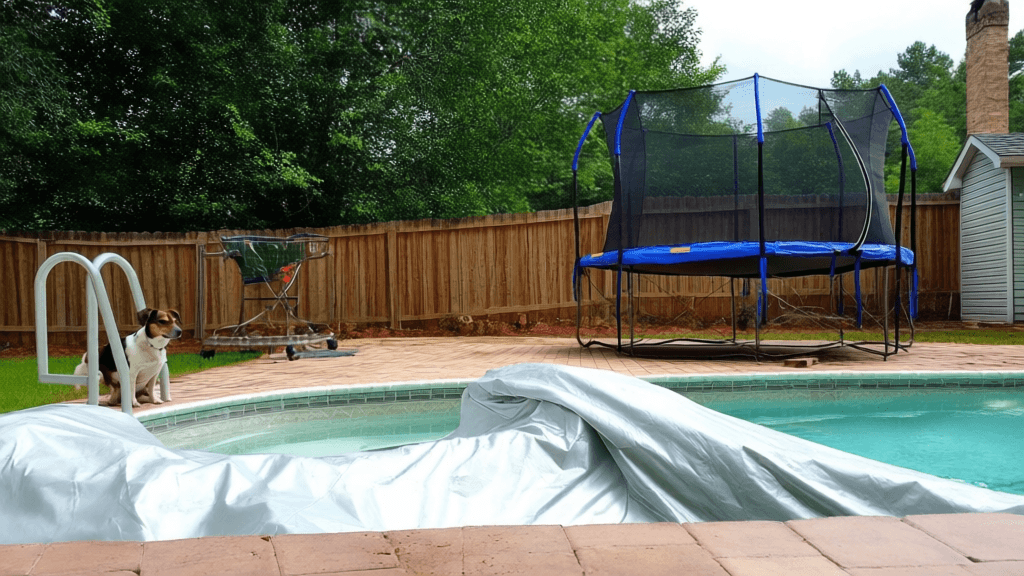
A homeowners policy is designed for personal residential risks, not every activity connected to a property. Coverage may be limited or excluded for intentional acts, certain animal incidents, motorized vehicles, rental activity, or claims arising from business operations. Policy language differs, and some risks can be addressed through endorsements or separate policies. If you rent a room, host paid events, operate equipment for customers, or regularly welcome clients into a home office, describe the activity accurately when reviewing coverage. A change in household use can affect eligibility or claim handling. Keep a copy of the policy and ask a licensed insurance professional to explain relevant exclusions instead of relying on assumptions or informal summaries.
Why a Home Business May Need Separate Liability Protection
Personal liability coverage usually is not a substitute for business liability insurance. A home-based business can create exposures that a standard homeowners policy was not built to cover, such as a customer injury during a visit, damage connected to professional services, or an allegation involving a product. A consultant working remotely may have different risks from a business that stores inventory or invites clients into the home. Tell the insurer what the business does, whether anyone visits, and whether employees, tools, or stock are kept at the property. Depending on the operation, separate business coverage or a policy endorsement may be appropriate. Do not assume that calling an activity a side business makes it a personal household risk.
Local Considerations for Woodstock and Nearby Communities
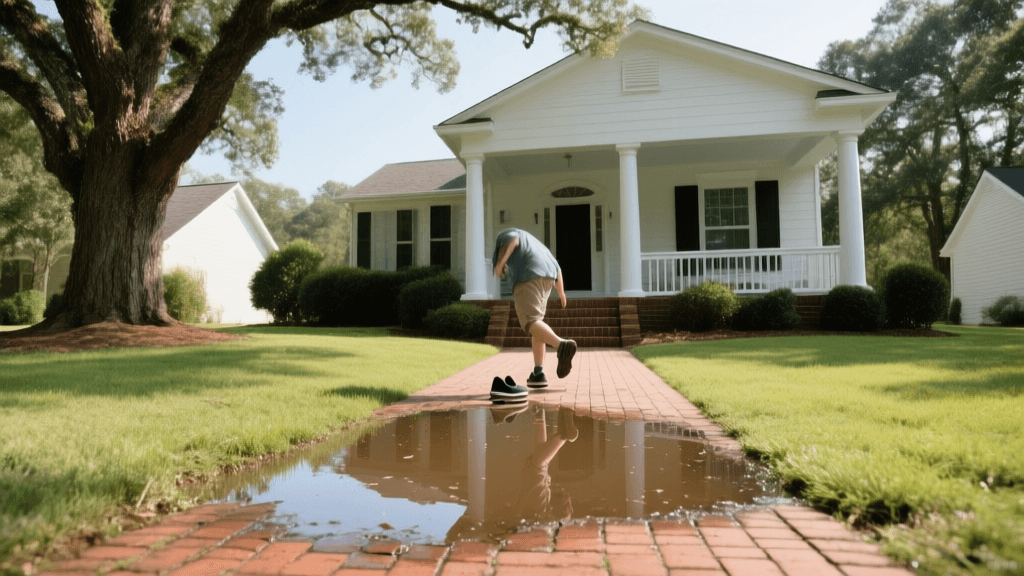
Woodstock homes range from established neighborhoods to newer developments, and liability questions can vary with the property’s layout and how it is used. Sloped yards, stairs, decks, pools, and shared community spaces each call for thoughtful maintenance and clear household rules. A homeowner in Woodstock may also have relatives or service providers visiting from Canton, Holly Springs, or Acworth, making safe access and prompt communication important after an incident. Local weather can bring wet leaves, heavy rain, or slick surfaces, so seasonal checks of steps, drainage, and exterior lighting are practical. These precautions do not determine insurance coverage, but they help residents spot hazards early and provide a clearer record of reasonable upkeep.
A Practical Checklist for Reviewing Your Policy
Key Liability Review Points
- Confirm the personal liability limit, the people insured under the policy, and whether defense costs are handled within or outside that limit.
- Compare medical payments to others separately; check the eligible expenses, limit, reporting requirements, and any exclusions.
- Review exclusions that may affect pets, pools, rentals, vehicles, home businesses, or activities involving guests and customers.
- Tell the insurer about changes in how the home is used, including client visits, short-term rentals, or business inventory.
- Ask whether higher liability limits or an umbrella policy are available and what underlying coverage requirements apply.

What to Do After an Accident at Home
If someone is hurt or property is damaged, first address immediate safety and call emergency services when needed. Record the date, time, location, and what happened; take reasonable photographs; and collect contact information for witnesses. Avoid guessing about fault or promising payment before the circumstances are understood. Notify the insurer promptly using the policy’s claim instructions, and share accurate information. Keep receipts and copies of relevant communications, but do not alter or discard evidence. If the incident involves a serious injury, a demand for payment, or a legal notice, seek appropriate professional guidance. Timely, factual reporting helps the insurer evaluate which coverage, if any, may apply.
Next Steps: Compare Limits and Ask Focused Questions
A useful review starts with the declarations page and the full policy wording, not just a quoted liability limit. Woodstock homeowners can list household activities, property features, pets, and any business or rental use, then ask how each is treated. Compare available liability limits, medical payments limits, exclusions, and the cost and requirements of an umbrella policy. If a coverage term is unfamiliar, request an explanation tied to the actual policy language. Coverage availability and claim decisions depend on underwriting, contract terms, and individual facts, so no general guide can guarantee a particular outcome. A careful comparison can help you choose protection that better reflects your household’s risks and financial priorities.
Review Your Home Liability Protection
Compare policy limits and exclusions, then ask a licensed insurance professional how the coverage applies to your household and property.
Get a Free Quote